Month: April 2026

  • Best Eco-Resorts in Indonesia: Luxury Meets Sustainability in 2026

    Best Eco-Resorts in Indonesia: Luxury Meets Sustainability in 2026

    Get on Explore – Indonesia has long been the crown jewel of Southeast Asia, but there’s a new wave of travel hitting its 17,000+ islands. We’re moving past the era of concrete mega-resorts and stepping into a world where luxury doesn’t cost the earth. From the mist-covered peaks of Munduk to the turquoise depths of Raja Ampat, eco-resorts are redefining what it means to get away.

    If you’re looking to trade air-conditioned boxes for bamboo palaces and infinity pools that blend into the jungle, you’re in the right place. Let’s dive into the best eco-resorts in Indonesia for your next mindful escape.

    1. Bambu Indah, Ubud: An Experiment in Regenerative Living
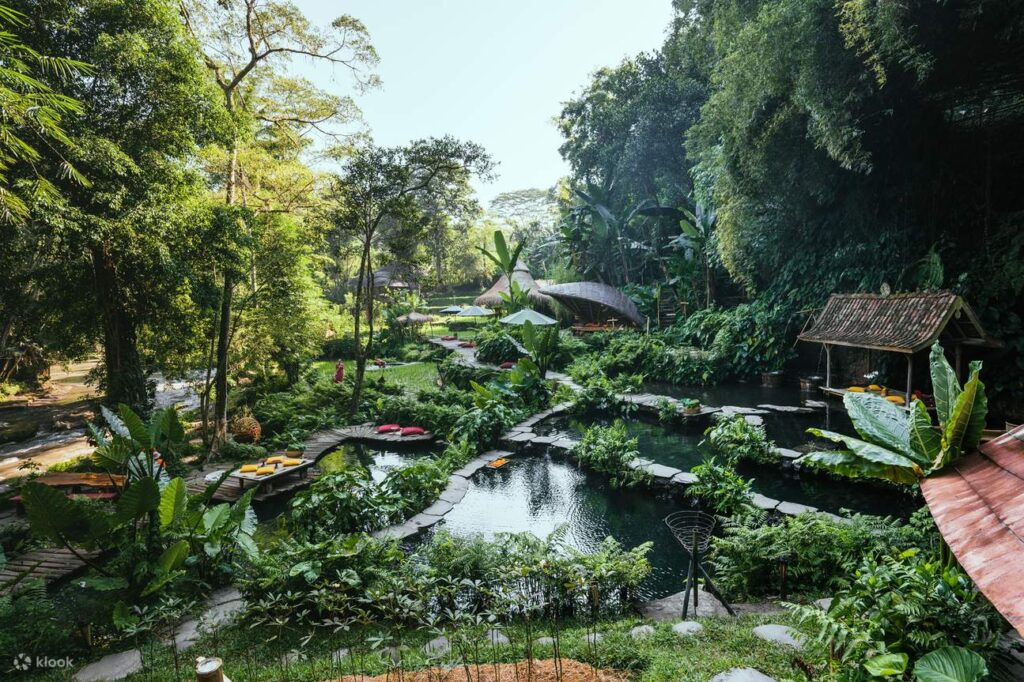
    Founded by the visionaries behind Bali’s Green School, Bambu Indah isn’t just a hotel; it’s a living, breathing project. Located in Sayan, just west of Ubud, this resort replaces cement with sustainable bamboo and chemical pools with natural, spring-fed swimming holes.

    • The Vibe: Rustic-chic. Imagine walking across a swaying bamboo bridge to find a wooden elevator tucked inside a cave.
    • Eco-Credentials: They grow their own organic rice and vegetables. The wastewater from your shower? It’s filtered naturally and used to irrigate the surrounding fields.
    • Insider Tip: The “Elevator Bar” at sunset is non-negotiable. Order a local ginger infusion and watch the Ayung River glow under the twilight.

    2. Misool Eco Resort, Raja Ampat: For the Ocean Guardians
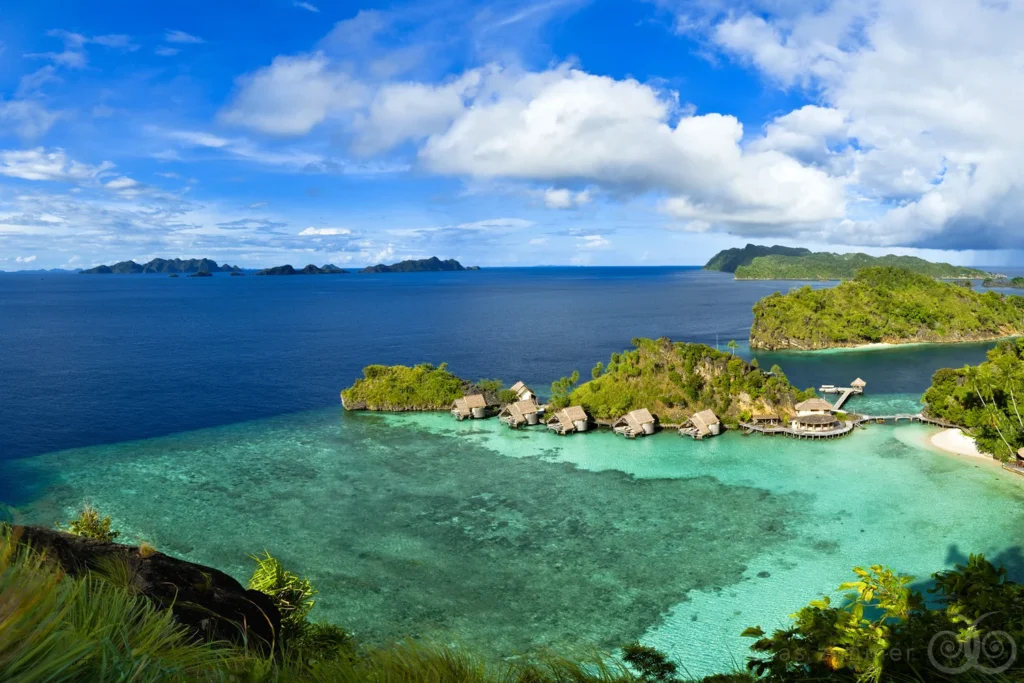
    Deep in Southern Raja Ampat, Misool is situated inside a 1,200-square-kilometer Marine Protected Area. Built entirely from reclaimed tropical hardwood, this resort is for those who find peace beneath the waves.

    • The Vibe: Ultimate seclusion. You’re literally in the middle of the “Amazon of the Seas.”
    • Eco-Credentials: Every guest contribution goes directly into the Misool Foundation, which funds local ranger patrols to protect the coral reefs from illegal fishing.
    • Insider Tip: Don’t just snorkel; join one of their evening talks about marine conservation. It adds a whole new layer of meaning to your morning dive.

    3. Ulaman Eco Luxury Resort, Bali: Where Bamboo Meets High Tech
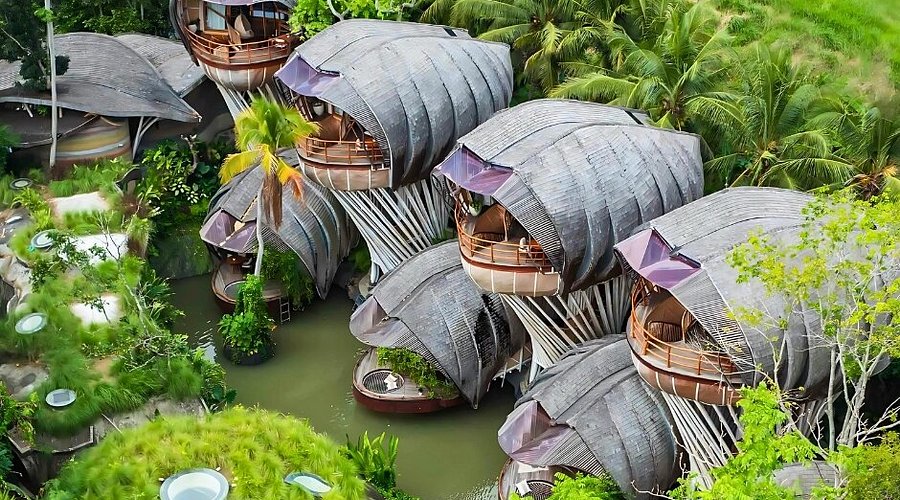
    If you think “eco” means “sacrificing comfort,” Ulaman will prove you wrong. This award-winning resort in Tabanan features mind-blowing architecture that looks like something out of a futuristic forest fantasy.

    • The Vibe: Holistic healing. The sound of the waterfall on-site acts as a natural soundtrack for your yoga practice.
    • Eco-Credentials: They use a custom hydro-turbine system to generate a significant portion of the resort’s electricity from the nearby river.
    • Insider Tip: Book the “Sky Villa.” It’s perched high above the canopy, giving you 360-degree views of the rice paddies that are simply unbeatable for drone photography.

    4. Capella Ubud: Camping, But Make It Royal
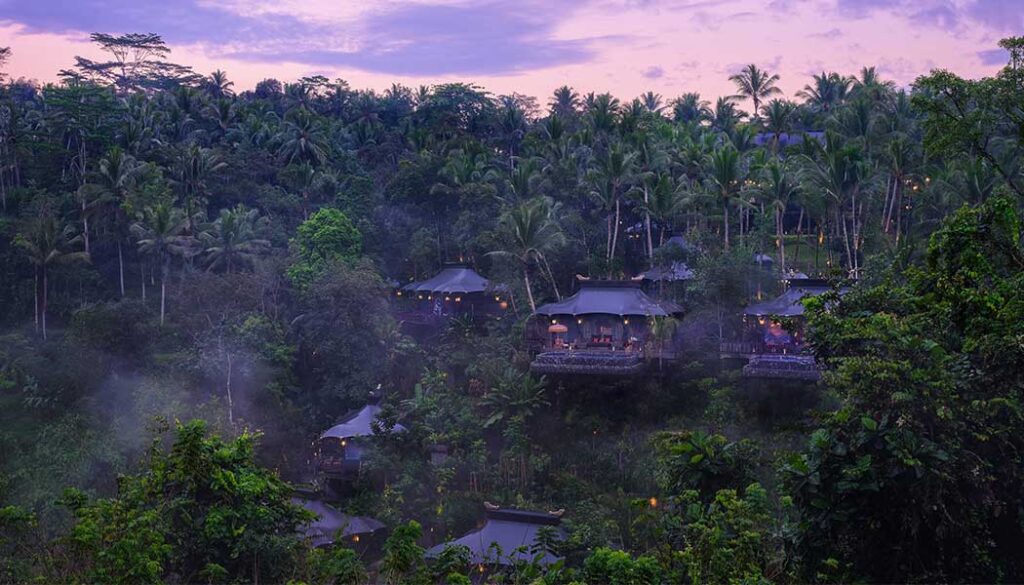
    Designed by the legendary Bill Bensley, Capella Ubud is a tribute to the early European settlers. It’s a tented camp nestled in the heart of the rainforest, built with the philosophy of “not a single tree was cut during construction.”

    • The Vibe: Adventurous luxury. Think copper bathtubs, salt-water pools in every tent, and the smell of woodsmoke from the campfire.
    • Eco-Credentials: The resort works closely with the local Keliki village, ensuring that tourism benefits the traditional farmers and artisans directly.

    5. Sky Camp by HeHa Sky View, Yogyakarta: Luxury Above the Clouds
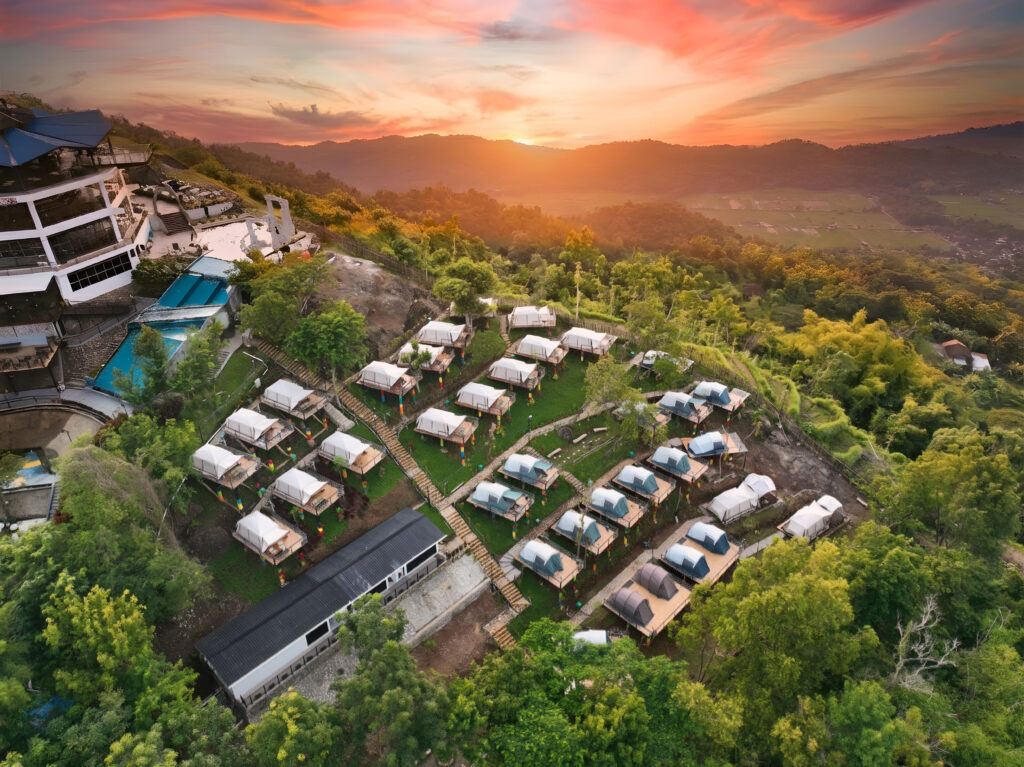
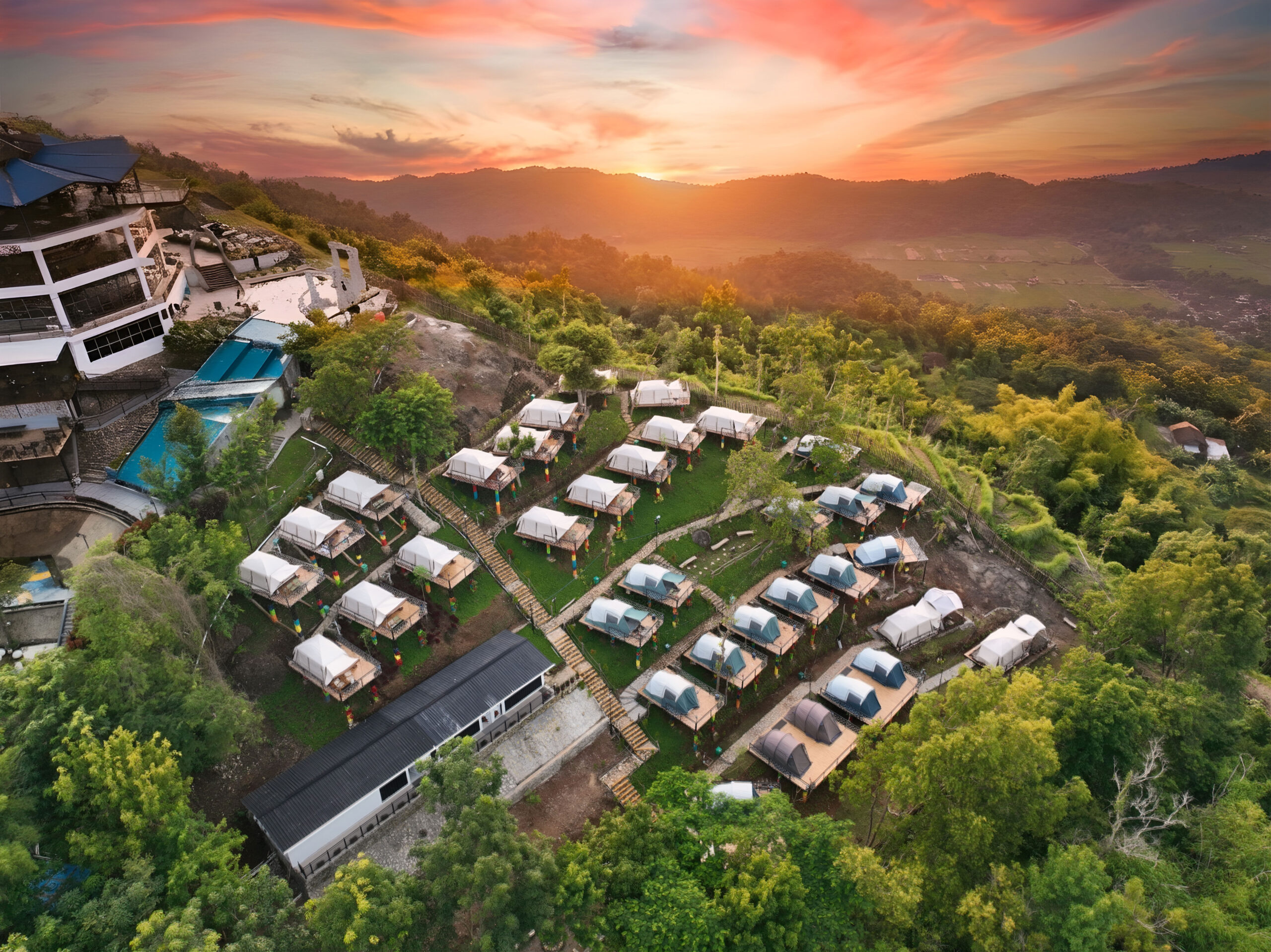
    Perched on the dramatic cliffs of Gunungkidul, Sky Camp offers an experience that merges modern comfort with the most iconic skyline in Central Java. This isn’t just a place to sleep; it’s a place where you wake up floating above the clouds.

    Insider Tip: Don’t miss the “Blue Hour” (around 5:45 PM). The vantage point from Sky Camp is arguably the best spot in Indonesia for “City Lights” photography with the silhouette of Mount Merapi in the distance. Ensure your drone or camera batteries are fully charged!

    The Vibe: Futuristic and scenic. The aesthetic pods face the city directly, creating a magical atmosphere as the city lights begin to twinkle at night.

    Eco-Credentials: Built with a minimal footprint philosophy, the camp integrates seamlessly with the local HeHa tourism ecosystem, supporting the creative economy of nearby villages.

    7. Ora Beach Resort, Seram Island: The Maldives of Indonesia
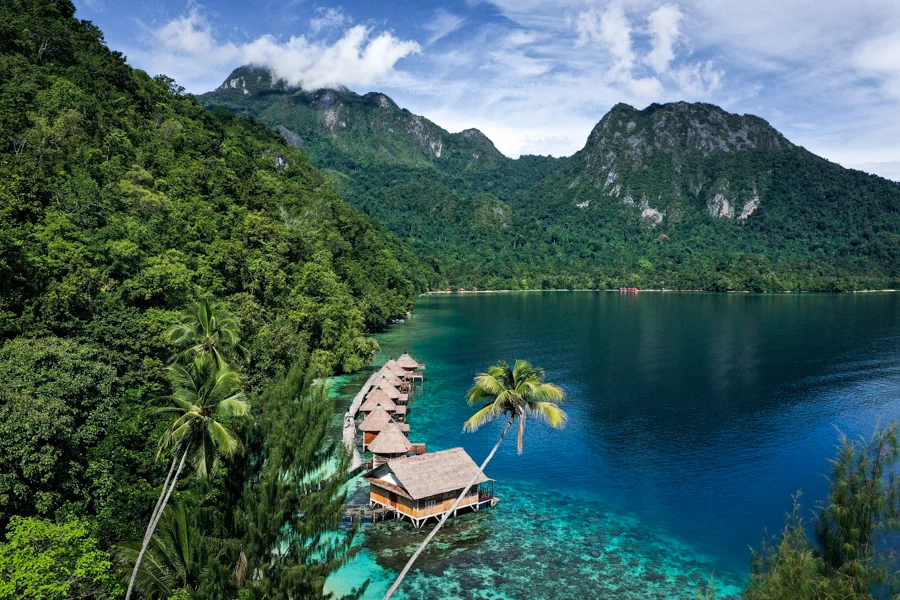
    Located in Central Maluku, this resort consists of wooden stilt houses perched over water so clear you can see the coral reefs from your bed.

    • The Vibe: Off-the-grid paradise. With limited cell signal, this is the ultimate spot for a digital detox.
    • Eco-Credentials: Built using sustainable local timber and limiting guest capacity to preserve the pristine marine environment.
    • Insider Tip: Bring your own snorkeling gear. The reef is fragile, and using your own well-fitted gear ensures you don’t accidentally kick the coral while exploring.

    8. Capella Ubud: Camping, But Make It Royal

    Designed by Bill Bensley, this tented camp was built with the philosophy that “not a single tree was cut during construction.”

    • The Vibe: Adventurous luxury. Think copper bathtubs, salt-water pools in every tent, and the smell of woodsmoke.
    • Eco-Credentials: The resort works closely with the local Keliki village, ensuring tourism benefits traditional farmers and artisans directly.

    9. Kura Kura Resort, Karimunjawa: Private Island Dreams
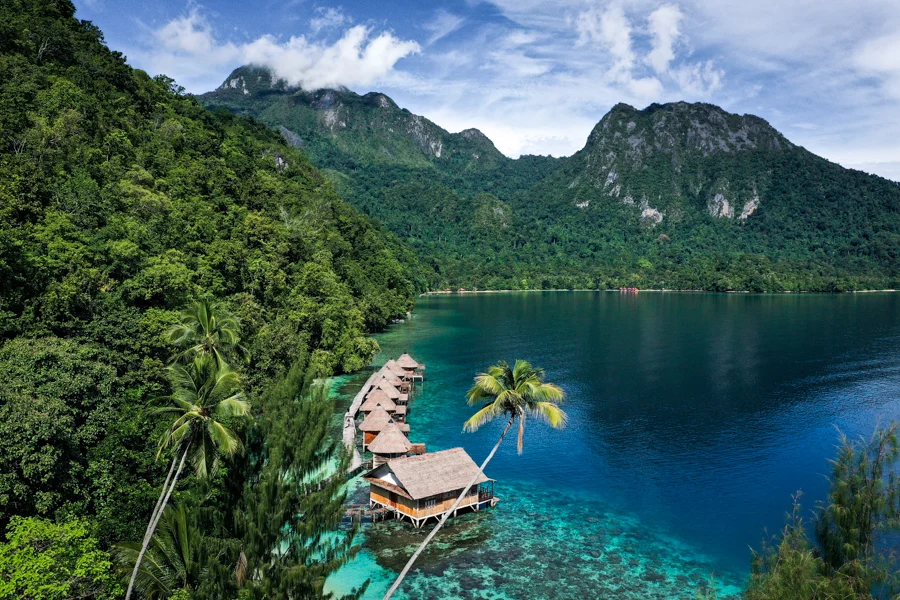
    Located in the exclusive Karimunjawa archipelago, this resort offers a sustainable private island experience with access to some of the best marine parks in Java.

    • The Vibe: Elegant seclusion. The interiors feature intricate local craftsmanship with a high-end finish.
    • Eco-Credentials: They operate a turtle conservation center where guests can learn about (and sometimes participate in) releasing hatchlings back into the wild.
    • Insider Tip: Take a day trip to “Robinson Crusoe Island”—a tiny, uninhabited island owned by the resort where you can be a castaway for a day.

    The “Insider” Guide: How to Navigate Indonesia Like a Pro

    Traveling through Indonesia’s archipelago is an adventure, but it can be tricky if you’re only following the brochures. Here is some “E-A-T” level advice—Expertise, Authoritativeness, and Trustworthiness—from someone who lives and breathes Indonesian tourism.

    1. Cash is Still King (The Small Bill Rule)

    While luxury resorts take credit cards, the heart of Indonesia—the traditional markets (Pasar) and local warungs—operates on cash.

    • Insider Secret: Always carry small denominations (IDR 2,000, 5,000, and 10,000). If you try to pay for a 10k snack with a 100k bill at 7 AM, the vendor likely won’t have change, and you’ll miss out on the best Jajan Pasar (market snacks) of your life.

    2. Mastering the “Island Time” Transport

    Whether it’s a ferry to the Gilis or a flight to Labuan Bajo, delays are a part of the charm.

    • Insider Secret: Download the Grab or Gojek app as soon as you land. It’s the local version of Uber, but much more integrated. You can order a bike (Ojek) to skip the Bali traffic or even have a massage therapist come to your villa.

    3. Respecting the “Adat” (Local Custom)

    In Bali and beyond, you will see small palm-leaf baskets with flowers and incense on the ground. These are Canang Sari (offerings).

    • Insider Secret: If you accidentally step on one, don’t panic—just a simple “sorry” to any local nearby is appreciated. But try to look where you walk, especially in front of doorways!

    4. The Water Situation

    The tap water in Indonesia is generally not potable.

    • Insider Secret: Most eco-resorts provide glass bottles and refill stations. To go a step further, bring a self-purifying water bottle (like a Grayl or Larq). It’s better for your gut and even better for our oceans.

    Why Choose Eco-Luxury?

    Choosing a sustainable resort isn’t just about feeling good; it’s about better quality. Organic food tastes richer, bamboo structures are naturally cooler, and the connection you feel with the local community is far deeper than what you’d get in a standard hotel chain.

    In 2026, the trend is clear: Regenerative Travel. We don’t just want to “leave no trace”—we want to leave the place better than we found it.


    Plan Your Sustainable Odyssey with Get on Explore

    Navigating 17,000 islands can be overwhelming, even for the most seasoned traveler. This is where Get on Explore comes in.

    As a premier travel organizer specializing in authentic Indonesian experiences, Get on Explore bridges the gap between local hidden gems and international standards of service. Whether you are a solo traveler looking for a private eco-tour through Java or a family seeking a curated luxury stay in Bali, they handle the logistics so you can focus on the memories.

    • Why them? They prioritize local guides, sustainable transport options, and “off-the-beaten-path” itineraries that you won’t find on Google Maps.
    • Service: Ready to serve both international (manca negara) and local guests with a personal touch.

    Ready to start your journey? Reach out to Get on Explore today and let the experts craft your perfect, sustainable Indonesian escape.
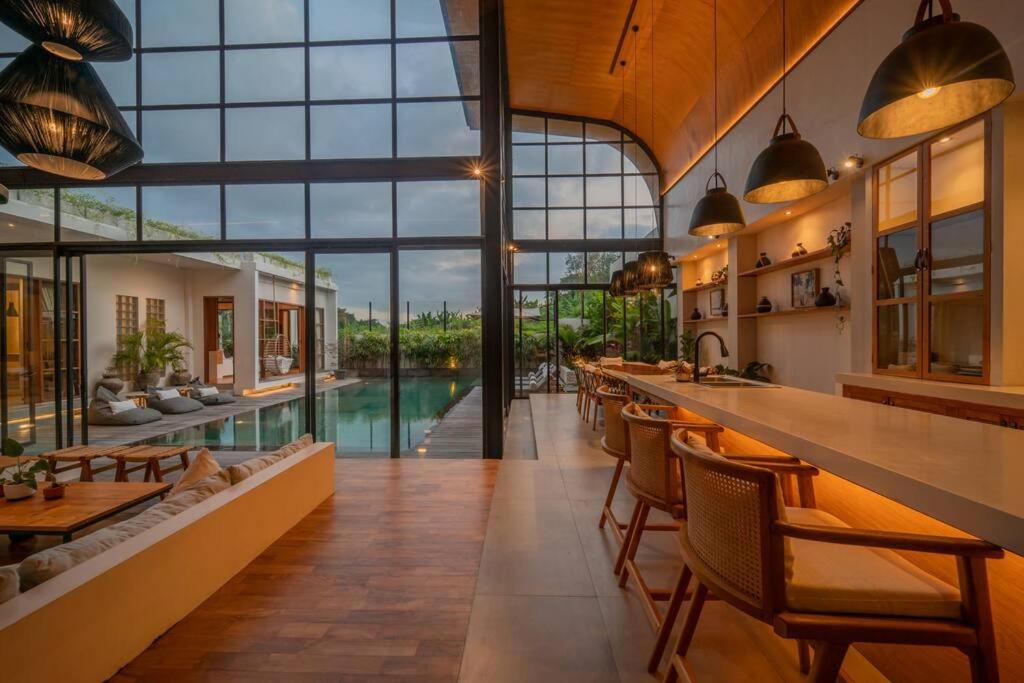
  • 10 Best Places to Work Remotely in Bali: The 2026 Digital Nomad Guide

    10 Best Places to Work Remotely in Bali: The 2026 Digital Nomad Guide

    Get On Explore – Bali isn’t just a holiday destination anymore; it’s the unofficial global headquarters for remote work. From the emerald rice terraces of Ubud to the surf breaks of Canggu, the “Island of the Gods” has evolved into a sophisticated tech hub where high-speed fiber optics meet ancient spiritual traditions.

    But let’s be real: not every café with a “Free Wi-Fi” sign is actually a good place to hop on a Zoom call. If you’re planning to stay productive while soaking up the tropical sun, you need more than just a pretty view.

    Whether you’re a freelance writer, a software dev, or a digital marketer managing SEO campaigns, here are the 10 best places to work remotely in Bali in 2026.


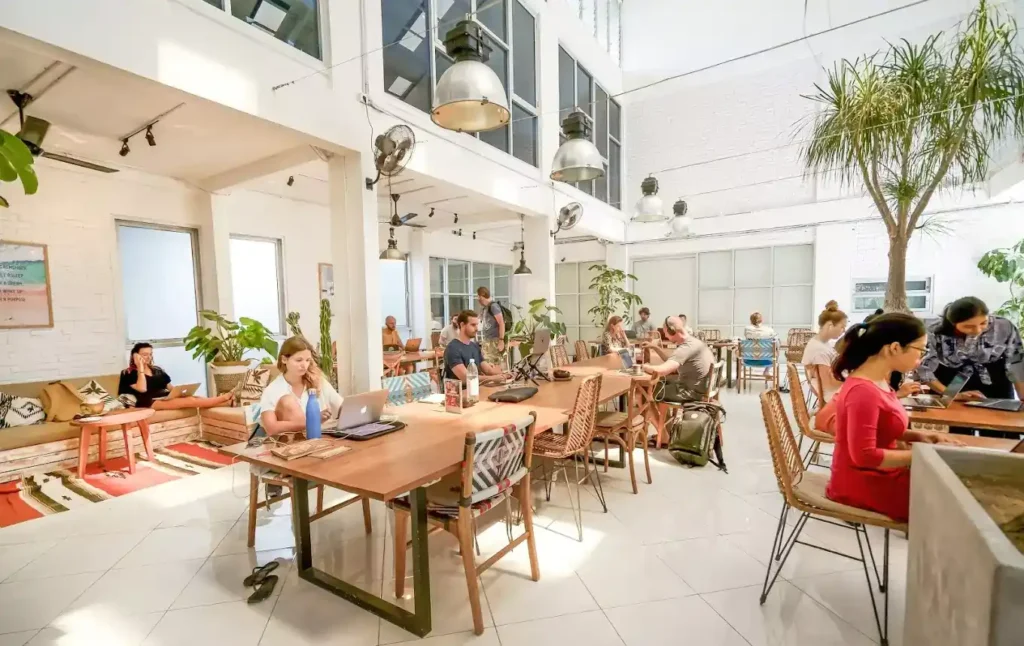
    1. Tropical Nomad (Canggu)

    If Canggu is the heart of Bali’s nomad scene, Tropical Nomad is its pulse. Located right at the shortcut, this place offers a bright, airy, and high-energy environment.

    • Why it’s great: The community is massive. If you’re looking to network with other entrepreneurs, this is the place.
    • The Vibe: Productive, social, and sun-drenched.
    • Insider Tip: The “Shortcut” traffic is legendary. If you’re staying on the other side, leave 15 minutes earlier than you think you need to—or just rent a scooter.

    2. Outpost (Ubud)

    For those who prefer jungle canopy over beach clubs, Outpost Ubud is a sanctuary. It feels more like a professional office but with a “Zen” twist.

    • Why it’s great: They have fantastic air-conditioned focused zones and a community that leans more towards wellness and “deep work.”
    • The Vibe: Collaborative and calm.
    • Insider Tip: Ubud monkeys are smart. If you’re working on the balcony, never leave your shiny gadgets (or snacks) unattended. They’ve been known to “borrow” iPhones.

    3. BWork (Canggu)

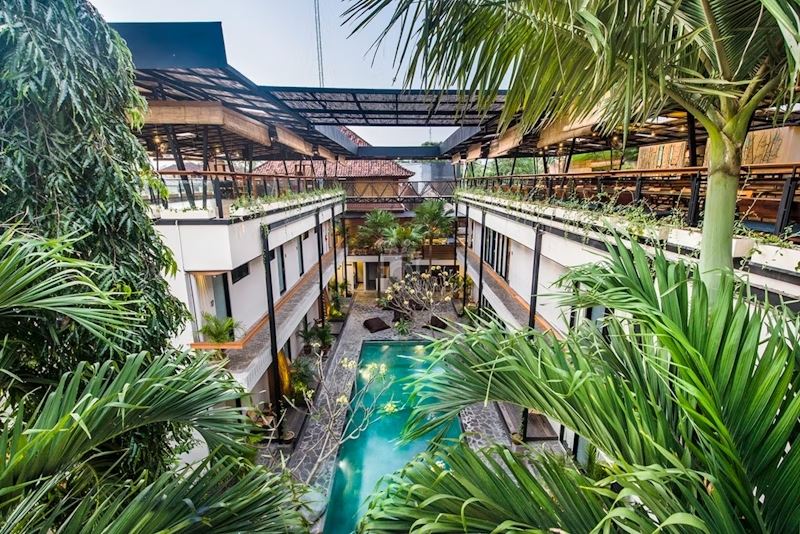
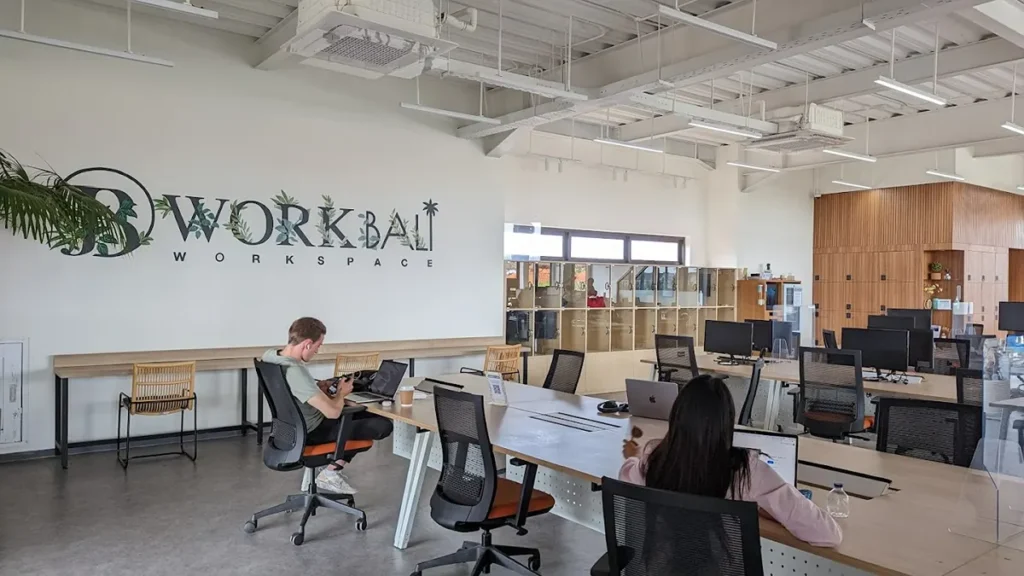
    BWork is for the serious professional. It’s a minimalist, multi-story coworking space that prioritizes ergonomics and silence in its dedicated quiet zones.

    • Why it’s great: Their internet is arguably the most stable in the area, and they have proper standing desks.
    • The Vibe: Professional, sleek, and focused.

    4. ZIN@Work (Canggu)

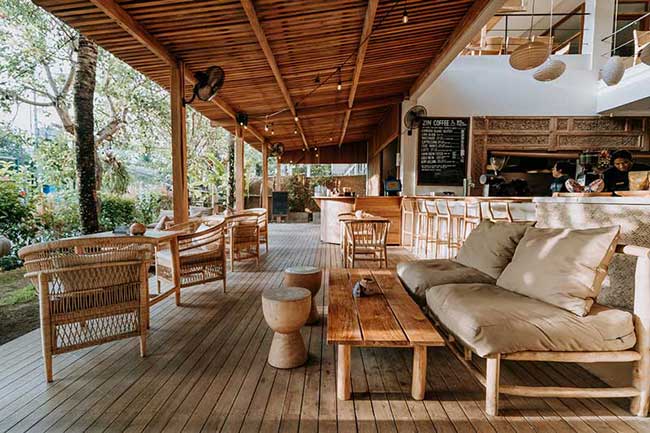
    Searching for a “free” option? ZIN@Work is part of ZIN Cafe and offers a massive bamboo structure where you can work for the price of a coffee (and their coffee is excellent).

    • Why it’s great: No membership fee, but plenty of power outlets and a great “open-air” breeze.
    • The Vibe: Casual and creative.

    5. Biliq (Seminyak)

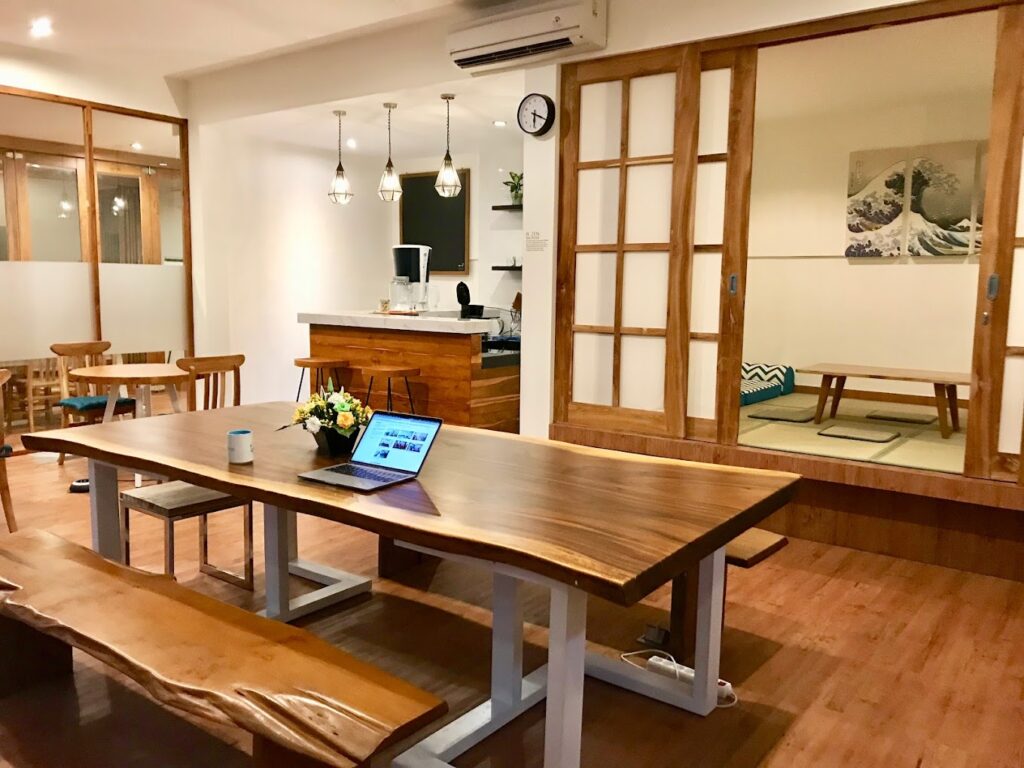
    Seminyak can be loud, but Biliq is a hidden gem. It’s a cozy space with a small dipping pool and a unique “pay-per-minute” system if you just need to knock out a quick task.

    • Why it’s great: It’s one of the few places in Seminyak that feels truly quiet.
    • The Vibe: Homey and intimate.
    • Insider Tip: Try their “Cendol” latte. It’s a local twist on a classic that will keep your sugar levels up for that afternoon slump.

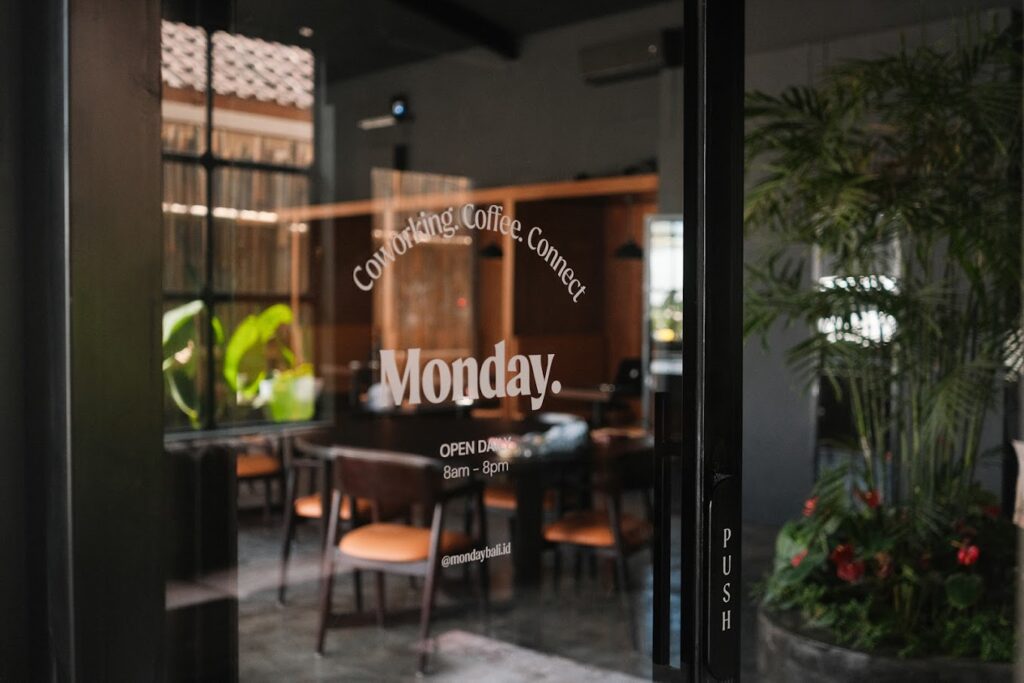
    6. Monday Coworking (Uluwatu/Ungasan)

    The “South” is trending hard in 2026. Monday Coworking caters to the surf-and-work crowd who want to hit the waves at Bingin or Padang Padang before checking emails.

    • Why it’s great: It’s much quieter than Canggu and has a very loyal community of long-term expats.
    • The Vibe: Relaxed, coastal, and friendly.

    7. Pererenan: The “New” Canggu

    Technically a neighborhood, but Pererenan is filled with quiet cafés like Honey or Touché that are perfect for laptop work. It’s less chaotic than central Canggu but has all the same amenities.

    • Why it’s great: Better parking and less noise pollution.
    • The Vibe: Sophisticated and tranquil.

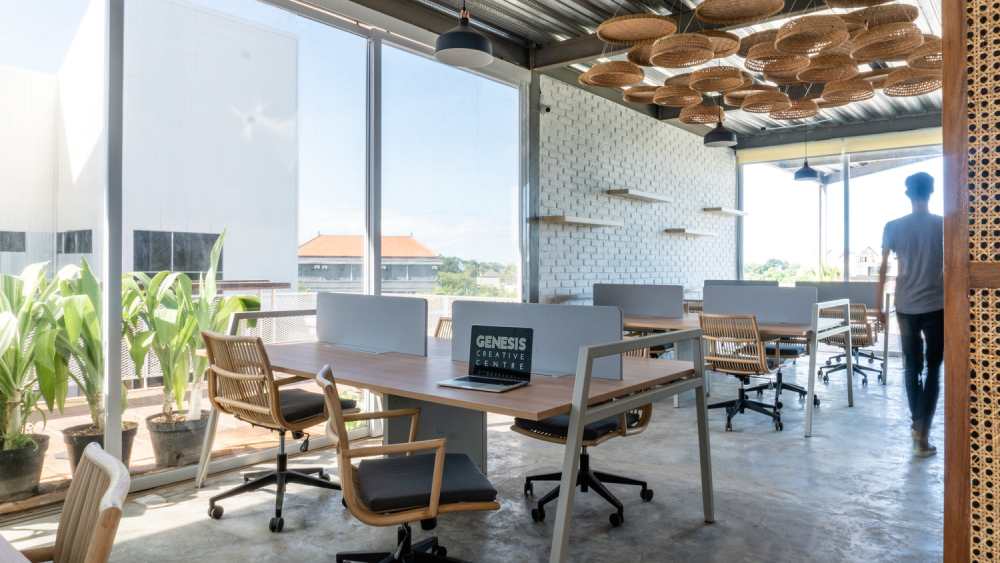
    8. Genesis Creative Centre (Canggu)

    Are you a content creator? Genesis is more than just desks; they have photography studios, recording booths for podcasters, and editing suites.

    • Why it’s great: It’s the ultimate “one-stop shop” for digital creators.
    • The Vibe: High-tech and artistic.

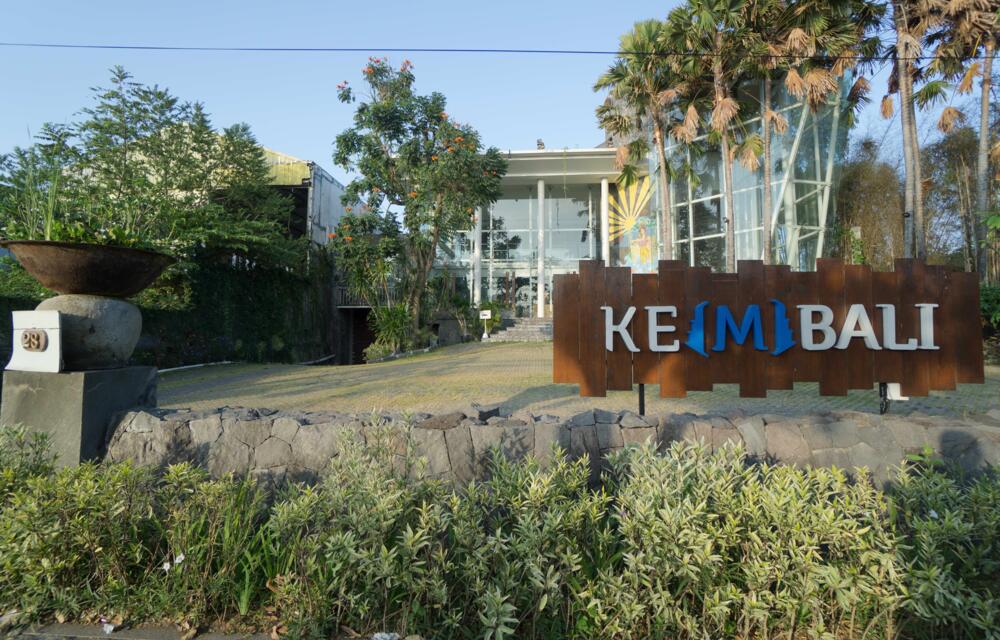
    9. Kembali Innovation Hub (Kuta/Sunset Road)

    If you need to be central for meetings or close to the airport, Kembali is a local favorite. It’s where many Indonesian startups are based.

    • Why it’s great: Excellent meeting rooms and a very local-professional atmosphere.
    • The Vibe: Corporate-creative.

    10. Sanur: For the Long-Termers

    Sanur is perfect if you want to escape the “hustle” entirely. Places like Artotel Sanur offer great working spaces near the beach path.

    • Why it’s great: It’s flat, walkable, and much more family-friendly.
    • The Vibe: Mature and peaceful.

    📸 Visuals are Key: Why Bali is a Creator’s Dream

    (Insert High-Resolution Photo: A digital nomad working from a bamboo desk overlooking a neon-green rice terrace in Ubud during the “Golden Hour”).

    Travelers today don’t just want to read about a place; they want to see it. When you’re picking your remote work spot, look for places with “Cinematic” potential. The architecture in Bali—especially the bamboo-heavy designs of places like ZIN or Outpost—makes for incredible Reels and TikTok content that will make your followers (and clients) back home very jealous.


    💡 The “Insider” E-A-T Guide to Bali

    To truly thrive in Bali as a remote worker, you need to know the unwritten rules. Here’s the “Local Wisdom” that isn’t in the brochures:

    1. The Cash Rule: While most cafés in Canggu and Seminyak take cards or QRIS (local digital pay), always carry small cash (IDR 2,000 – 10,000). You’ll need it for parking attendants at every beach and café.
    2. Internet Insurance: Even the best coworking spaces have bad days. Always have a local Telkomsel or XL Axiata SIM card (or eSIM) with a large data plan as a hotspot backup.
    3. Respect the “Banjar”: If you see a local ceremony blocking a road, don’t honk. Turn off your engine and wait, or find a different route. Respecting local culture is the fastest way to feel welcome.
    4. The “Tourist Levy”: As of 2024-2025, there is a tourist tax. Make sure you’ve paid it online before arrival to save time at the airport.
    5. Water is Life: Never drink the tap water. Most coworking spaces provide free “Galon” (purified water) refills—bring your own reusable bottle!

    Ready to Make the Move?

    Transitioning to a digital nomad life in Bali can be overwhelming. Between finding the right villa, navigating visa regulations, and arranging transport between these remote work hubs, there’s a lot to manage.

    This is where Get on Explore comes in.

    Whether you are an international traveler looking for a seamless “Workation” or a local professional seeking a curated Bali experience, Get on Explore is your premier travel partner. They specialize in high-quality, hassle-free travel arrangements that cater specifically to the modern traveler’s needs.

    From private airport transfers to curated tours that show you the “hidden” Bali beyond the coworking walls, Get on Explore ensures your journey is smooth sailing. Focus on your deadlines and let them handle the logistics.

    Contact Get on Explore today and start your Bali remote work adventure!

  • Conquer the Dragon: The Ultimate Guide to Trekking Mount Rinjani (Tips from the Pros)

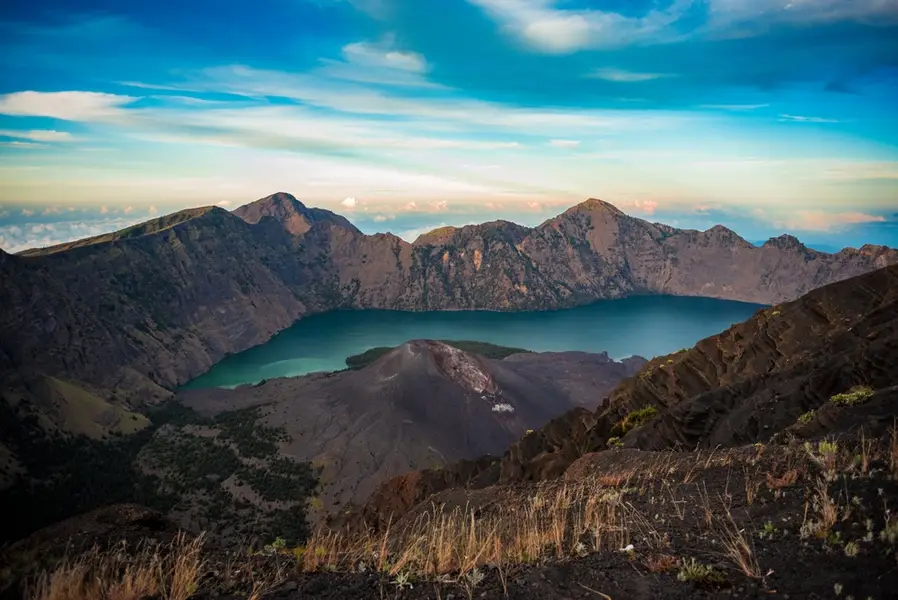
    Get On Explore – So, you’ve seen the photos—the turquoise waters of Segara Anak nestled inside a massive volcanic caldera, the clouds swirling beneath the jagged 3,726-meter summit, and the emerald slopes of Lombok stretching toward the sea. Now, you’re thinking about doing it yourself.

    Trekking Mount Rinjani isn’t just a hike; it’s a rite of passage for adventurers in Southeast Asia. It’s grueling, dusty, breathtaking, and soul-stirring all at once. But before you lace up those boots, you need more than just a “can-do” attitude. You need the right strategy.

    Here is your comprehensive guide to Trekking Mount Rinjani tips, packed with insider secrets to help you reach the top without losing your mind (or your toenails).


    1. Timing is Everything: When to Go

    The Rinjani National Park isn’t open year-round. Because of the heavy monsoon season in Indonesia, the park typically closes from January 1st to late March/early April due to extreme weather and landslides.

    • April – June: The landscape is lush and incredibly green. It’s arguably the most beautiful time, though there’s still a slight chance of rain.
    • July – September: The peak season. The weather is stable and dry, but the trails are crowded and it gets very dusty.
    • October – December: The transition to the wet season. Fewer people, but the clouds can block those iconic views.

    Insider Tip: If you can, aim for a Tuesday or Wednesday start. Most local hikers and weekend warriors from Bali or Java start on Fridays, making the campsites feel like a crowded festival.


    2. Choosing Your Route: Senaru vs. Sembalun

    There are two main gateways to the mountain, and choosing the right one depends on your fitness and what you want to see.

    • Sembalun (The Savannah Route): Most summit attempts start here. You begin at a higher altitude (around 1,100m) in open grasslands. It’s hot as an oven during the day, but the incline is more gradual until you hit the “7 Hills of Regret.”
    • Senaru (The Jungle Route): Typically the exit point for the 3D2N trek. It’s a steep climb through dense tropical rainforest. It offers more shade but involves a lot of big steps over tree roots.

    The “Pro” Strategy: Start in Sembalun and finish in Senaru. This allows you to tackle the summit while your legs are still fresh on Day 2, and you get the rewarding jungle shade on the final descent when the sun is scorching.


    3. Physical Prep: It’s Not a Walk in the Park

    Don’t let the Instagram influencers fool you—Rinjani is tough. The final summit push is “two steps forward, one step back” in loose volcanic scree.

    • Focus on Cardio: Running or cycling will help your lungs handle the thin air.
    • Leg Day is Every Day: Squats, lunges, and calf raises are your best friends.
    • The Secret Weapon: Go hiking in the boots you plan to wear. Breaking them in on the mountain is a recipe for blisters and misery.

    4. Packing List: The Essentials and the “Pro” Extras

    Your porter will carry the tent, sleeping bag, and food. Your daypack should stay under 5-7kg.

    The Basics:

    • High-quality headlamp: Essential for the 2:00 AM summit push.
    • Layers: It might be 30°C at the base, but it can drop to 0°C at the summit. Bring a thermal base layer, a fleece, and a windproof jacket.
    • Trekking Poles: These are non-negotiable. Your knees will thank you during the 2,000-meter descent.

    The “Insider” Gear:

    • Buff/Face Mask: The dust on the Sembalun side is intense. A buff keeps you from coughing up volcanic ash for three days.
    • Small Denomination Cash (IDR): You’ll want to buy a cold Bintang or a Pocari Sweat from the “warungs” (small stalls) found unexpectedly high up the mountain. They rarely have change for 100k notes.
    • Wet Wipes & Sanitizer: There are no showers. A “wet wipe bath” is the height of luxury at 2,600 meters.

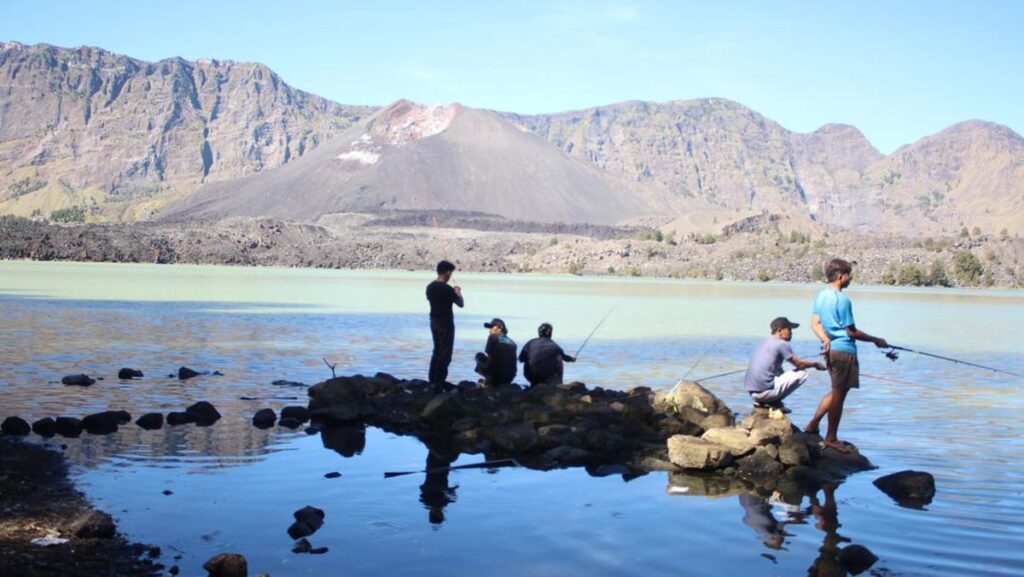
    5. Visual Inspiration: What Awaits You


    6. The “Insider” Rules of the Trail

    To have the best experience, you need to know the stuff that isn’t in the official brochures:

    • Protect Your Toenails: When descending, tie your laces extra tight near the ankle to prevent your foot from sliding forward. Many hikers lose toenails because they hit the front of their boots for six hours straight.
    • The “Monkey” Warning: The macaques at the crater rim are professional thieves. Do not leave your bags open, and never—ever—feed them. They will find your stash of Oreos in seconds.
    • Hydration Strategy: Don’t just drink water; use electrolyte powder. The tropical heat combined with the altitude can lead to dehydration faster than you realize.
    • Respect the Mountain: Rinjani is a sacred site for the Sasak and Hindu people. Avoid shouting excessively or acting disrespectfully at the lake.

    7. Managing the Summit Push

    This is the hardest part. You’ll wake up at 2:00 AM, shivering, to climb the final 1,000 meters of elevation.

    1. Eat the Toast: Your guide will give you a light breakfast. Even if you’re nervous, eat it. You need the carbs.
    2. Slow and Steady: It’s not a race. Use a “rest step” technique—lock your rear leg for a split second on every step to give your muscles a micro-break.
    3. The False Summits: There are three “peaks” before the actual summit. Don’t let your spirit break when you reach a ridge only to see more climbing ahead.

    8. Why Local Knowledge Matters

    Expertise on Rinjani isn’t just about knowing the path; it’s about safety. Weather patterns can change in minutes. A trusted guide knows when to turn back if the wind gets too dangerous on the summit ridge (the “Letterbox”).

    Trustworthiness also comes down to environmental impact. Always choose a trek operator that practices “Leave No Trace.” The mountain has a trash problem; be part of the solution by ensuring your team packs out everything they pack in.


    9. Post-Trek Recovery

    Once you finish, your body will be screaming for two things: a massage and a soak.

    • Hot Springs: Most 3D2N treks include a stop at the Aik Kalak hot springs near the lake. The sulfur is amazing for sore muscles.
    • Book a Spa: When you get back to Senaru or your hotel in Senggigi, book a traditional Sasak massage immediately.

    Conclusion: Ready to Stand Above the Clouds?

    Trekking Mount Rinjani is an experience that stays with you forever. It challenges your limits and rewards you with some of the most spectacular views on the planet. But the difference between a “suffering-fest” and the trip of a lifetime often comes down to the people who lead you.

    If you’re looking for a seamless, professional, and deeply local experience, we highly recommend Get on Explore.

    As a premier travel organizer specializing in Rinjani and beyond, Get on Explore caters to both international travelers and locals. They provide top-tier camping gear, experienced guides who treat the mountain like home, and porters who are basically superheroes in flip-flops. They handle the logistics, the permits, and the safety protocols so you can focus on the climb.

    Ready to start your adventure? Contact Get on Explore today and take the first step toward the summit of Lombok.