Category: Uncategorized

  • The Ultimate Guide to Cultural Immersion Tours in Southeast Asia: Beyond the Postcard

    The Ultimate Guide to Cultural Immersion Tours in Southeast Asia: Beyond the Postcard

    Get on explore – Southeast Asia isn’t just a collection of pins on a map; it’s a sensory explosion. It’s the smell of lemongrass wafting through a Bangkok alleyway, the haunting echo of a monk’s chant in Luang Prabang, and the rhythmic tap-tap of a copper canting in a Yogyakarta batik workshop.

    If you’re tired of “drive-by sightseeing” where you see more of a bus window than the actual culture, then Cultural Immersion Tours in Southeast Asia are your ticket to a life-changing experience. We’re moving from being a spectator to becoming a participant in the local rhythm of life.


    Why Cultural Immersion is the New Way to Travel

    In 2026, “luxury” has been redefined. It’s no longer just about gold-plated faucets; it’s about exclusive access. Access to a remote village in the Sapa highlands, access to a master weaver in Bali, or the privilege of sitting with a royal batik artisan in the heart of Java.

    Cultural immersion allows you to:

    1. Support Local Economies: Your money goes directly to artisans, homestay hosts, and local guides via organizations like the Togetherness Project.
    2. Break Stereotypes: It’s hard to have prejudices when you’re laughing over a shared meal.
    3. Find Authentic Connection: Moving beyond the “Instagram spot” to find the soul of a destination.

    Top Destinations for Deep Cultural Dives

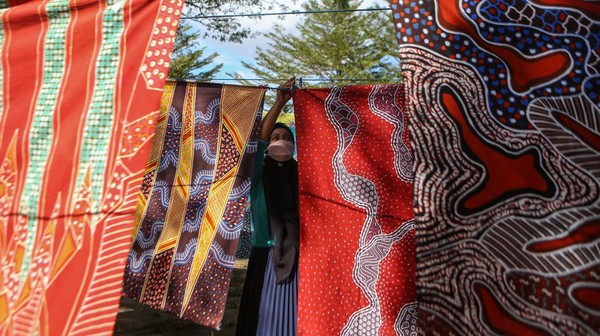
    1. Yogyakarta (Indonesia): The Soul of Javanese Batik
    The Ultimate Guide to Cultural Immersion Tours in Southeast Asia Beyond the Postcard-batik yogyakarta
    The Ultimate Guide to Cultural Immersion Tours in Southeast Asia Beyond the Postcard-batik yogyakarta

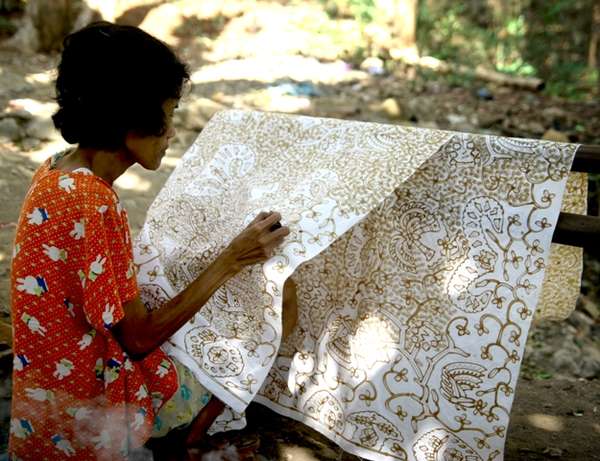
    Yogyakarta, or “Jogja,” is the cultural heartbeat of Indonesia. To truly understand Java, you must understand Batik—an UNESCO-recognized intangible heritage that is much more than just fabric; it’s a philosophy.

    • The Insider Experience: Head to Kampung Batik Giriloyo. Unlike the commercial shops in the city center, here you can sit on a low stool (dingklik) alongside village women who have been hand-drawing patterns for generations. Learning to control the hot wax (malam) with a canting is a meditative process that rewards patience over speed.
    • The Royal Connection: Visit the Kraton Ngayogyakarta Hadiningrat to see how specific batik motifs were historically reserved only for royalty.
    • Insider Tip: Don’t just buy a shirt; ask about the meaning of the “Parang” or “Sido Mukti” patterns. Each line tells a story of luck, power, or wisdom.

    2. Batu, Malang (Indonesia): The Highland Heritage
    The Ultimate Guide to Cultural Immersion Tours in Southeast Asia Beyond the Postcard-Kesenian Bantengan Malang
    The Ultimate Guide to Cultural Immersion Tours in Southeast Asia Beyond the Postcard-Kesenian Bantengan Malang

    Often called the “Little Switzerland of Java,” Batu, Malang offers a unique blend of colonial history, agricultural mastery, and artistic soul. Unlike the tropical heat of the coast, Batu’s crisp air provides a different perspective on Indonesian life.

    • The Agrotourism Immersion: Batu is famous for its apples. A true immersion tour involves more than just picking fruit; it’s about staying in a Desa Wisata (Tourism Village) like Gubugklakah. Here, you can learn about traditional irrigation and the history of apple seeds brought during the Dutch era.
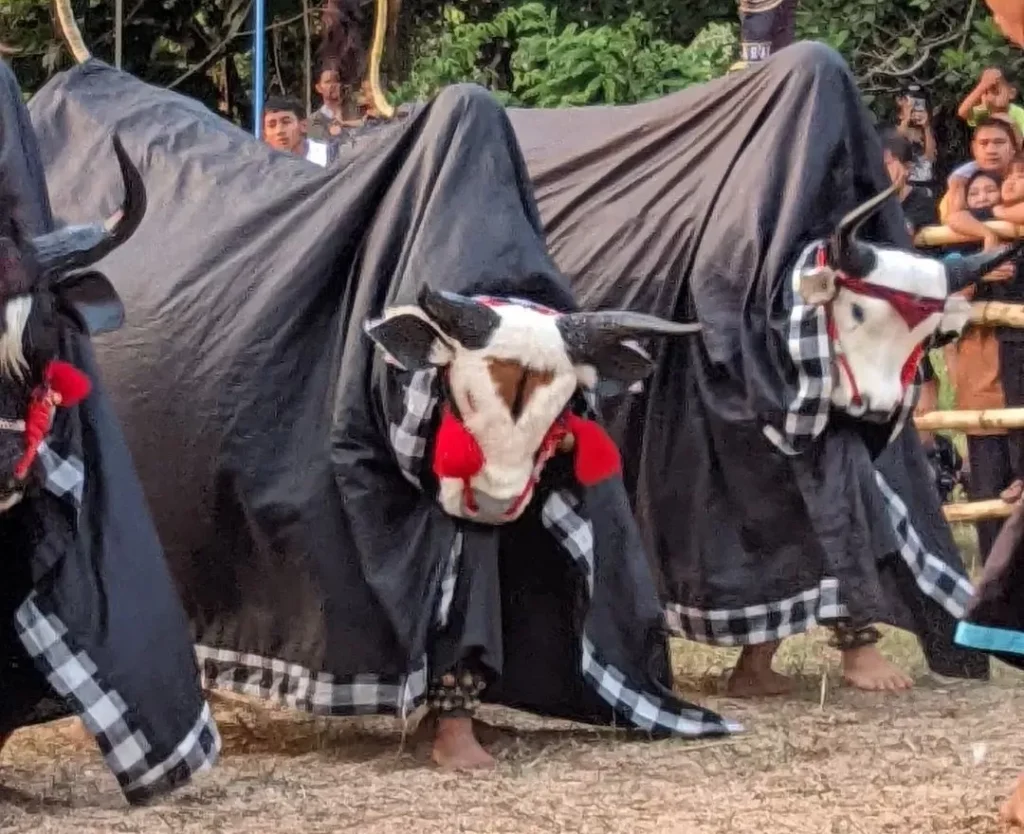
    • Artistic Soul: Visit the Kesenian Bantengan troupes. This traditional dance involves a trance-like performance representing the strength of the bull. Engaging with the performers behind the scenes offers a raw look at Javanese mysticism.

    3. Vietnam: The Art of the Hustle and the Harmony
    The Ultimate Guide to Cultural Immersion Tours in Southeast Asia Beyond the Postcard-Vietnam
    The Ultimate Guide to Cultural Immersion Tours in Southeast Asia Beyond the Postcard-Vietnam

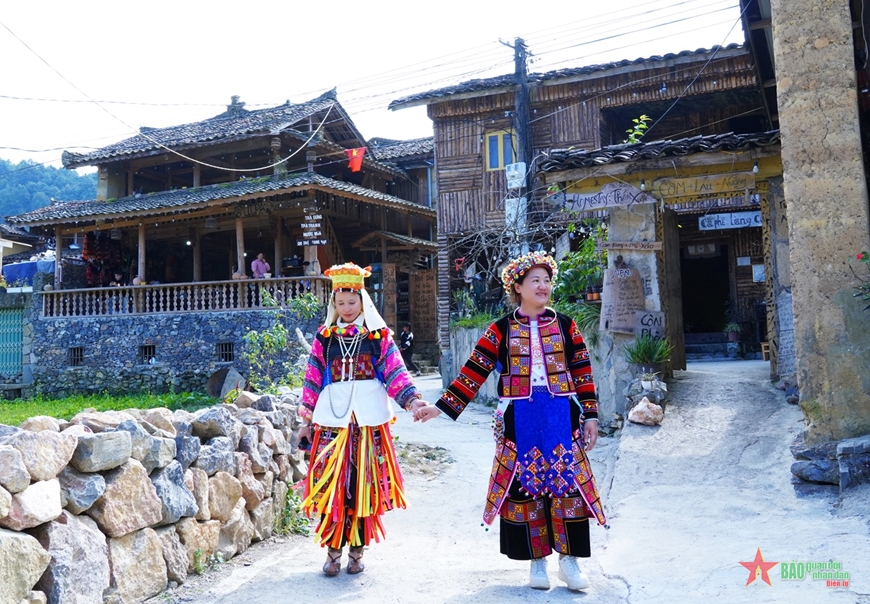
    Vietnam is a country of contrasts. To truly immerse yourself, head north. Skip the standard hotel and opt for a homestay in Ha Giang.

    • The Insider Experience: Wake up at 5:00 AM to help your host family prepare Mèn mén (steamed corn flour) or visit the ethnic markets where the Hmong and Dao people trade vibrant textiles.
    • Pro Tip: Learn the phrase “Chúc sức khỏe!” (To your health!)—you’ll need it for the inevitable rice wine toasts.

    4. Cambodia: The Resilience of the Khmer Spirit
    The Ultimate Guide to Cultural Immersion Tours in Southeast Asia Beyond the Postcard- Cambodia The Resilience of the Khmer Spirit
    The Ultimate Guide to Cultural Immersion Tours in Southeast Asia Beyond the Postcard- Cambodia The Resilience of the Khmer Spirit

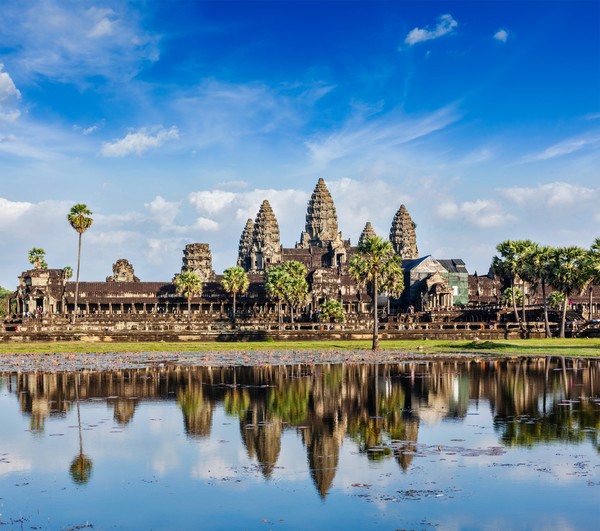
    While Angkor Wat is a must, the real culture lies in the floating villages of Tonle Sap.

    • The Insider Experience: Join a workshop at Prek Toal and learn how to weave dried water hyacinths into beautiful, functional baskets.

    The “Insider’s” Survival Kit: E-A-T Tips for Southeast Asia

    As seasoned travelers, we know that the smallest details make the biggest difference. Here is your “Expert” guide to navigating the region like a pro:

    • Cash is King (Small Denominations!): While cities are becoming tech-savvy, those rural markets in Batu or Giriloyo only take cash. Always keep small bills (10,000 IDR or 20,000 VND) tucked away. It’s awkward trying to buy a 50-cent snack with a $50 bill.
    • The “Temple/Mosque Kit”: Always carry a lightweight sarong. Many sacred sites in Indonesia and Thailand require shoulders and knees to be covered. Buying one from a local batik artisan in Jogja is the perfect way to start your immersion.
    • The Right Hand Rule: In many Southeast Asian cultures, the left hand is considered “unclean.” Always use your right hand to give or receive items, and especially when eating—a common practice in traditional Javanese tumpengan feasts.
    • Weathering the Highlands: If you’re heading to Batu or Sapa, don’t just pack for the tropics. The temperature can drop to 15°C (59°F) at night. A light jacket is a life-saver.
    • Download “Grab”: For fair pricing and ease of movement in cities like Yogyakarta, Malang, or Bangkok, use the Grab App.

    Planning Your 2026 Cultural Adventure

    When looking for Cultural Immersion Tours in Southeast Asia, look for operators that emphasize Community-Based Tourism (CBT). Avoid “human zoos” or tours that feel exploitative. A good tour should feel like a bridge, not a barrier.

    Key Questions to Ask Your Tour Provider:

    • How much of the tour fee stays within the local village?
    • Do we have a local guide who actually lives in this community?
    • Is there a hands-on activity that allows for genuine interaction?

    Why Choose “Get on Explore”?

    Planning a trip that is both authentic and seamless is a tough balancing act. You want the grit of the local market but the comfort of a clean bed and reliable transport at night. That’s where Get on Explore comes in.

    Get on Explore is a premier travel organizer dedicated to serving both international and local guests who crave more than just a selfie. They understand that the heart of Southeast Asia isn’t found on a crowded tour bus, but in the quiet moments of connection.

    Why Get on Explore is your best partner for Southeast Asia:

    • Local Wisdom, Global Standards: They bridge the gap between “local grit” and “international comfort.” You get the authentic experience without the logistical headaches.
    • Curated Destinations: From the mist-covered apple orchards of Batu to the hidden batik workshops of Yogyakarta, they have the “insider” keys to the best spots.
    • Sustainability Mindset: They prioritize partners who respect the environment and the local culture, ensuring your visit leaves a positive footprint.
    • Bespoke Service: No two travelers are the same. Whether you are a solo traveler, a digital nomad, or a family, they tailor the immersion level to your comfort zone.

    Ready to stop being a tourist and start being a guest?

    Contact Get on Explore today and start crafting your bespoke Southeast Asian story. From the heritage lanes of Jogja to the vibrant orchards of Batu, your seat at the local table is waiting.
  • Best Cultural Villages in Indonesia 2026: Your Ultimate Guide to Authentic Immersion

    Best Cultural Villages in Indonesia 2026: Your Ultimate Guide to Authentic Immersion

    Get on explore -Forget the crowded beach clubs and the cookie-cutter resorts. For 2026, the real magic of travel lies in cultural immersion—the kind that makes you put down your phone and just… breathe. Indonesia is shifting its focus toward “Experience, Not Luxury,” and there is no better way to find it than in its ancient, living villages.

    From the misty mountains of Flores to the artistic highlands of Batu, Malang, here are the best cultural villages in Indonesia to visit this year.


    1. Kertorejo & Klungkung: The Cultural Soul of Batu, Malang

    Best Cultural Villages in Indonesia 2026  Your Ultimate Guide to Authentic Immersion Kertorejo  Klungkung Batu Malang
    Best Cultural Villages in Indonesia 2026 Your Ultimate Guide to Authentic Immersion Kertorejo Klungkung Batu Malang

    While many know Batu for its theme parks and cool mountain air, 2026 marks its rise as a premier “Agro-Cultural” destination. Beyond the apples, the villages around Batu offer a deep dive into Javanese mysticism and agricultural heritage.

    • The Experience: Head to Kertorejo Village. Here, the Bantengan dance—a powerful, trance-like performance involving bull masks—is not just a show for tourists; it’s a community soul. You can also visit local flower villages where every house is a garden, or join a “Milk Journey” in the dairy farm areas.
    • 2026 Update: Batu is now integrating Wellness Tourism. You’ll find many retreats combining traditional Javanese Jamu (herbal medicine) workshops with mountain trekking.
    • Insider Tip: Visit the local ‘Warung’ during sunset. In Batu, the community gathers at small stalls. Order a STMJ (Susu Telur Madu Jahe) — a local concoction of milk, egg, honey, and ginger. It’s the “insider” way to stay warm and chat with the friendly locals.

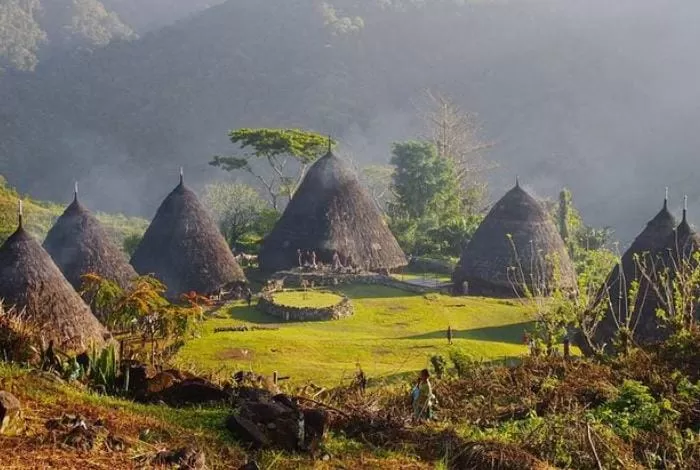
    2. Wae Rebo, Flores: The Village Above the Clouds

    Best Cultural Villages in Indonesia 2026 Your Ultimate Guide to Authentic ImmersionWae Rebo Flores The Village Above the Clouds
    Best Cultural Villages in Indonesia 2026 Your Ultimate Guide to Authentic ImmersionWae Rebo Flores The Village Above the Clouds

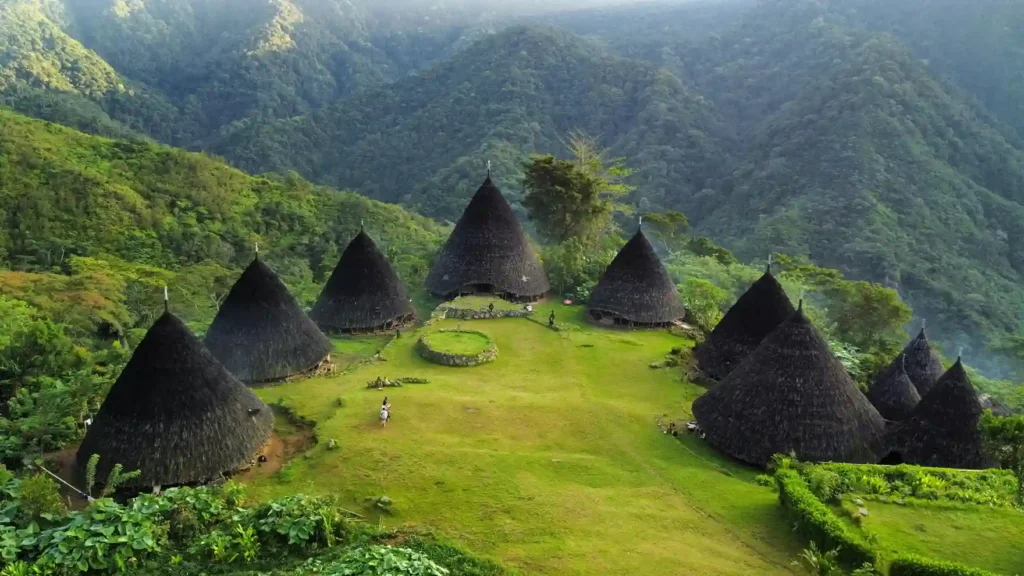
    If there is one place that defines “adventure” in 2026, it’s Wae Rebo. Tucked away at 1,200 meters above sea level in the Manggarai highlands, this village is famous for its seven iconic cone-shaped houses called Mbaru Niang.

    • The Experience: You’ll start with a 3-hour trek through a lush rainforest. Upon arrival, you’ll be welcomed with the Waelu’u ceremony, a traditional ritual to ask the ancestors for your safety.
    • Cultural Connection: Living in a communal Mbaru Niang means sharing stories with travelers from around the world and local families, huddled around a central hearth.
    • Insider Tip: Pack a lightweight down jacket. Even though Indonesia is tropical, Wae Rebo at 3 AM is freezing. Also, bring a headlamp; the village electricity usually shuts off at 10 PM.

    3. Penglipuran, Bali: The World’s Cleanest Village

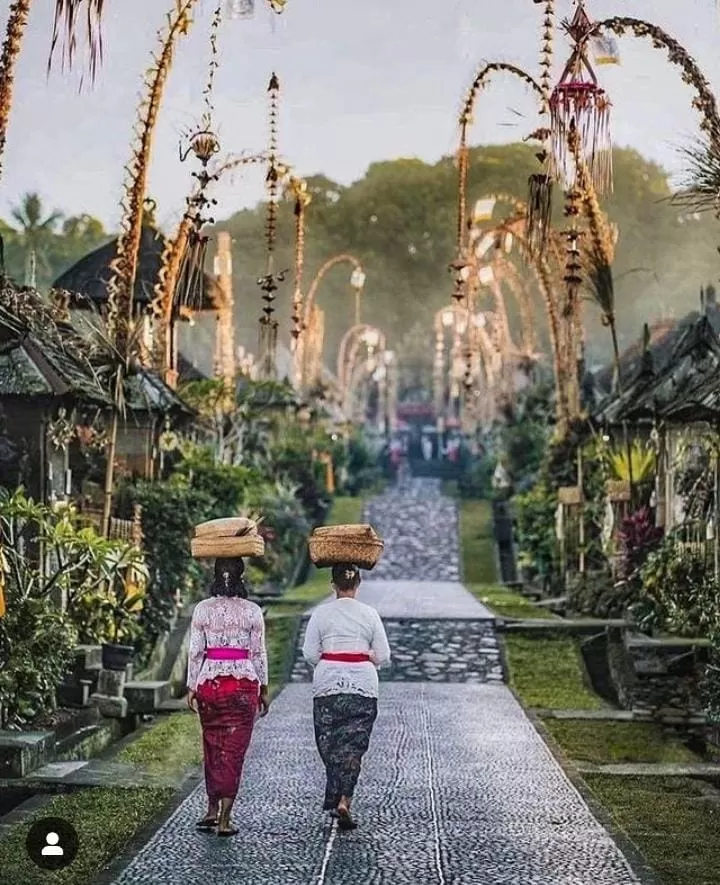
    Best Cultural Villages in Indonesia 2026 Your Ultimate Guide to Authentic Immersion Penglipuran, Bali The World’s Cleanest Village
    Best Cultural Villages in Indonesia 2026 Your Ultimate Guide to Authentic Immersion Penglipuran, Bali The World’s Cleanest Village

    While much of Bali is bustling, Penglipuran Village in Bangli remains a sanctuary of order and tradition. In 2026, the village is officially moving toward becoming a Global Regenerative Tourism Village.

    • The Experience: Walk through perfectly symmetrical streets lined with traditional Balinese gates. The lack of motorized vehicles inside the village creates a silence that is rare in Bali.
    • The Architecture: Notice the bamboo shingles on every roof. This is a specific tradition of Penglipuran, sourced from the massive bamboo forest that surrounds and protects the village.
    • Insider Tip: Look for the ‘Loloh Cemcem’ sellers. This refreshing green herbal drink is the village’s signature. Always carry small bills (IDR 2,000 – 10,000) because these local micro-entrepreneurs rarely have change for large 100k notes.

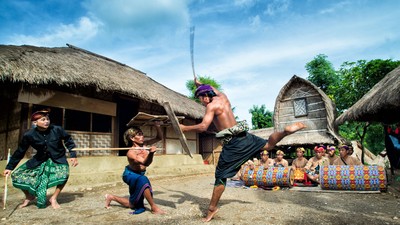
    4. Sade Village, Lombok: The Soul of the Sasak

    Best Cultural Villages in Indonesia 2026 Your Ultimate Guide to Authentic Immersion Sade Village, Lombok The Soul of the Sasak
    Best Cultural Villages in Indonesia 2026 Your Ultimate Guide to Authentic Immersion Sade Village, Lombok The Soul of the Sasak

    Located just a stone’s throw from the Mandalika International Circuit, Sade Village is a living museum of the Sasak people that has resisted modernization for centuries.

    • The Experience: Watch women masterfully create Tenun Ikat (woven fabric) on ancient looms. The houses, called Bale Tani, are made of bamboo and topped with thatched roofs.
    • The Ritual: If you’re lucky, you’ll witness the Presean—a martial art where two men fight with rattan sticks and hide shields. It’s intense, rhythmic, and incredibly cinematic.
    • Insider Tip: Don’t be alarmed by the floor! Locals polish the clay floors with buffalo dung. It sounds strange, but it keeps the house cool and keeps insects away. Once dry, it has no smell at all!

    5. Wukirsari, Yogyakarta: The Heart of Batik

     Best Cultural Villages in Indonesia 2026 Your Ultimate Guide to Authentic Immersion Wukirsari, Yogyakarta The Heart of Batik
    Best Cultural Villages in Indonesia 2026 Your Ultimate Guide to Authentic Immersion Wukirsari, Yogyakarta The Heart of Batik

    For those who love art, Wukirsari Village in Bantul is where the world’s finest hand-drawn Batik is born. In 2026, the village has expanded its workshops to allow visitors to stay in local “Batik Homestays.”

    • The Experience: This isn’t just a shop; it’s a school. You can sit down with local artisans (the Ibu-Ibu) and learn the “meditative” art of applying wax with a canting.
    • Insider Tip: Ask for the “Natural Dye” tour. Many younger craftsmen are reviving ancient techniques using roots and leaves instead of chemical dyes. These pieces are more expensive but are true sustainable masterpieces that last a lifetime.

    Why Cultural Travel is Different in 2026

    Travelers are moving away from “Check-list Tourism” (visiting a place just for a photo). In 2026, the trend is Slow Travel. This means:

    1. Staying Longer: Spending at least two nights in a village to understand the rhythm of life.
    2. Learning a Skill: Whether it’s weaving in Lombok, cooking in Batu, or carving in Bali.
    3. Giving Back: Supporting local economies directly by buying crafts without aggressive haggling.

    Practical “Insider” Tips for the Indonesian Hinterlands

    CategoryExpert Advice
    ConnectivityBuy a local SIM card (Telkomsel usually has the best remote coverage), but expect “Dead Zones” in villages like Wae Rebo.
    EtiquetteAlways use your right hand when giving or receiving items. The left hand is considered impolite in Indonesian culture.
    HealthStick to bottled or filtered water. In villages, “Air Masak” (boiled water) is usually safe, but when in doubt, ask.
    GiftsIf you want to bring something for village children, avoid candy (it causes tooth decay and they have limited dental care). Bring pencils, notebooks, or soccer balls.

    Visual Inspiration: What to Expect

    (Imagine a cinematic drone shot here: The mist rolling over the Mbaru Niang houses in Wae Rebo, followed by a close-up of a woman’s weathered hands intricately weaving a golden thread in Lombok.)

    Visuals are the heartbeat of your journey. Ensure your camera has plenty of storage, but remember to look up from the lens. Some of the best moments—like a shared laugh with a village elder—cannot be captured on a memory card.


    Ready to Explore the Real Indonesia?

    Navigating remote villages, understanding local taboos, and coordinating transport in the highlands of Batu or the mountains of Flores can be daunting. If you want a seamless, authentic journey that respects local communities while providing top-tier service, we recommend Get on Explore.

    Get on Explore is a premier travel organizer ready to serve both international and local guests. They don’t just “book transport”; they curate experiences. From private tours in the apple orchards of Batu, Malang to trekking expeditions in Wae Rebo, they ensure your 2026 trip is meaningful, safe, and deeply cultural.

    Visit Get on Explore today to start your journey!

    Which cultural village are you hitting first in 2026? Let’s get your itinerary started!

  • 15 Authentic Indonesia Travel Experiences: Beyond the Typical Tourist Trail

    15 Authentic Indonesia Travel Experiences: Beyond the Typical Tourist Trail

    Get on Explore – So, you’re planning a trip to Indonesia in 2026? Great choice. But let’s be honest: while Bali’s beach clubs and Instagrammable swings are fun, they barely scratch the surface of what this massive archipelago of 17,000 islands has to offer.

    The modern traveler isn’t just looking for a photo op; they’re looking for a connection. They want 15 authentic Indonesia travel experiences that feel real, raw, and transformative. Whether it’s sharing a meal with a Chieftain in the highlands of Papua or watching the sunrise over the Martian landscape of Mount Bromo, Indonesia delivers.

    Here is your ultimate guide to experiencing the “Real Indonesia.”


    1. The Celestial Sunrise at Mount Bromo & The Sea of Sand

    Open Trip Tumpak Sewu Malang Bromo Get on Explore
    Open Trip Tumpak Sewu Malang Bromo Get on Explore

    No list of authentic experiences is complete without the Tengger Massif in East Java. Mount Bromo isn’t the highest peak, but it is certainly the most iconic.

    • The Experience: Most tourists take a Jeep to Penanjakan Point for the sunrise. But for a truly authentic feel, hike the “Secret Selfie” ridge (King Kong Hill) or walk across the Lautan Pasir (Sea of Sand) on foot rather than by horse.
    • The Cultural Core: Bromo is sacred to the Hindu Tenggerese people. If you visit during the Yadnya Kasada festival, you’ll see locals throwing offerings (fruit, livestock, money) into the crater to appease the gods.
    • Insider Tip: Skip the “standard” breakfast provided by tour agencies. Instead, find a small Warung (local shack) in Cemoro Lawang village and order Bakso (meatball soup) or Indomie with a view of the volcano. It’s cheap, warm, and supports the local villagers directly.

    2. Exploring the “Little Switzerland” of East Java (Batu)

    Authentic Indonesia Travel Experiences Batu
    Authentic Indonesia Travel Experiences

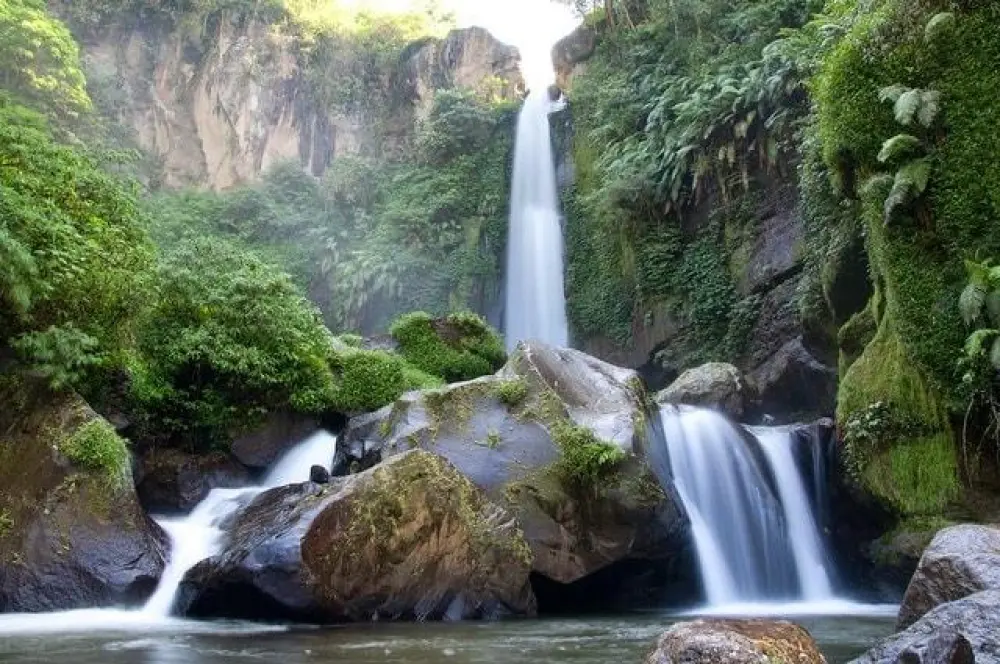
    Just a short drive from Bromo lies Batu, a highland retreat surrounded by apple orchards and waterfalls like Coban Rondo.

    • The Vibe: This is where local Indonesians go for their holidays. It’s cool, crisp, and famous for its “Petik Apel” (Pick-your-own-apple) farms.
    • Insider Tip: If you have an extra day, visit the Museum Angkut. It sounds like a typical museum, but it’s actually a world-class collection of vintage transportation set in elaborate movie-set-style zones.

    3. The “Blue Fire” Trek of Ijen Crater

    Authentic Indonesia Travel Experiences-blue fire ijen
    Authentic Indonesia Travel Experiences-blue fire ijen

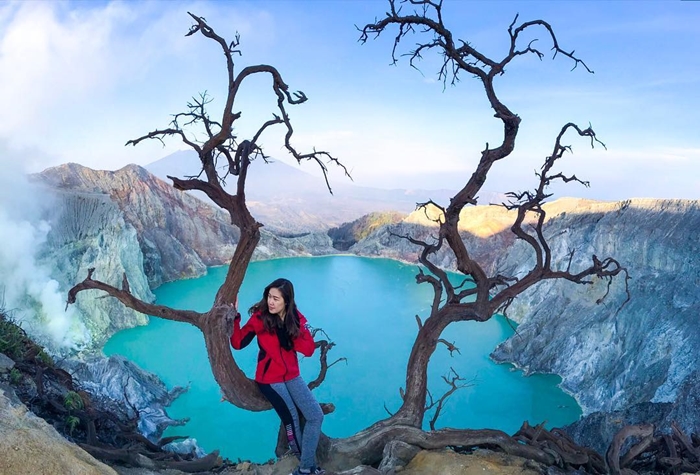
    East of Bromo lies Ijen. This is for the hardcore adventurer. It offers a sight found only in two places on Earth: Electric Blue Flames caused by ignited sulfuric gas.

    • The Reality: It’s a midnight hike. You’ll wear a gas mask and descend into the crater. You’ll also meet the sulfur miners—men who carry 80kg of rock on their shoulders.
    • Insider Tip: Don’t just take photos of the miners. Buy a small sulfur carving from them. It’s a direct way to support their livelihood.

    4. Living the High Life in Wae Rebo, Flores

    Authentic Indonesia Travel Experiences-waerebo
    Authentic Indonesia Travel Experiences-waerebo

    Tucked away in the mountains of Manggarai, Wae Rebo is a UNESCO-awarded village famous for its conical Mbaru Niang houses. To get here, you’ll need to hike through the rainforest for about 3 hours.

    • The Authentic Touch: You’ll stay in a communal house, sleeping on woven mats. The welcome ceremony (Waelu) involves the village elder seeking permission from the ancestors for your stay.
    • Insider Tip: Bring some betel nut or high-quality tobacco as a small gift for the elders. It’s a traditional sign of respect that goes a long way.

    5. Dawn at Borobudur (The Local Way)

    Authentic Indonesia Travel Experiences-borobudur
    Authentic Indonesia Travel Experiences-borobudur

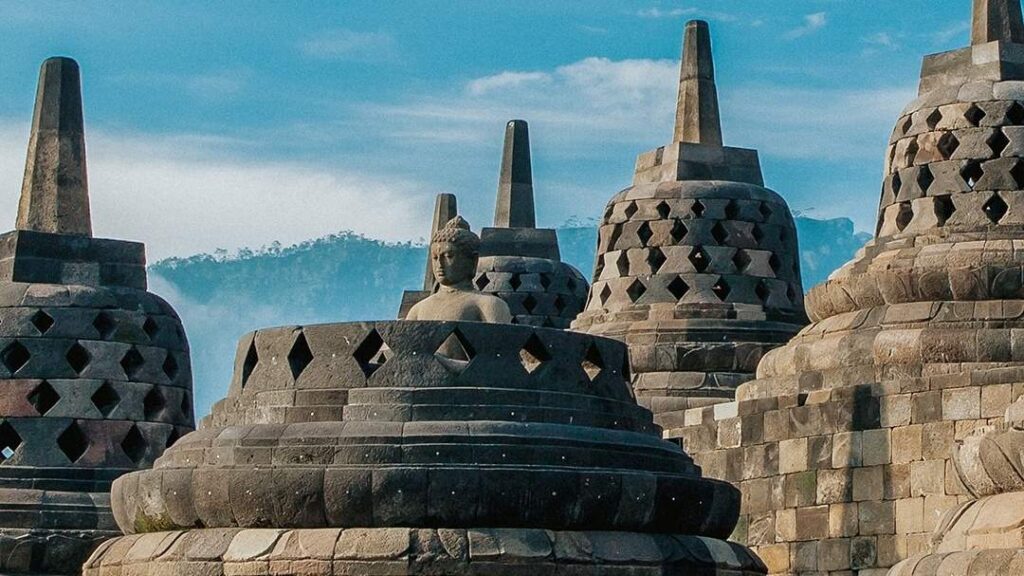
    Borobudur is the world’s largest Buddhist temple. While most people just snap a selfie, the real experience is understanding the “silent path.”

    • The Experience: Instead of rushing, hire a local guide who can explain the relief panels—they tell the story of human enlightenment.
    • Insider Tip: Stay in a homestay in the nearby village of Magelang. Rent a bicycle at 5:00 AM and ride through the rice fields to see the temple silhouette from Dagi Hill.

    6. Slow Boat Through Tanjung Puting

    Authentic Indonesia Travel Experiences-tanjungputing
    Authentic Indonesia Travel Experiences-tanjungputing

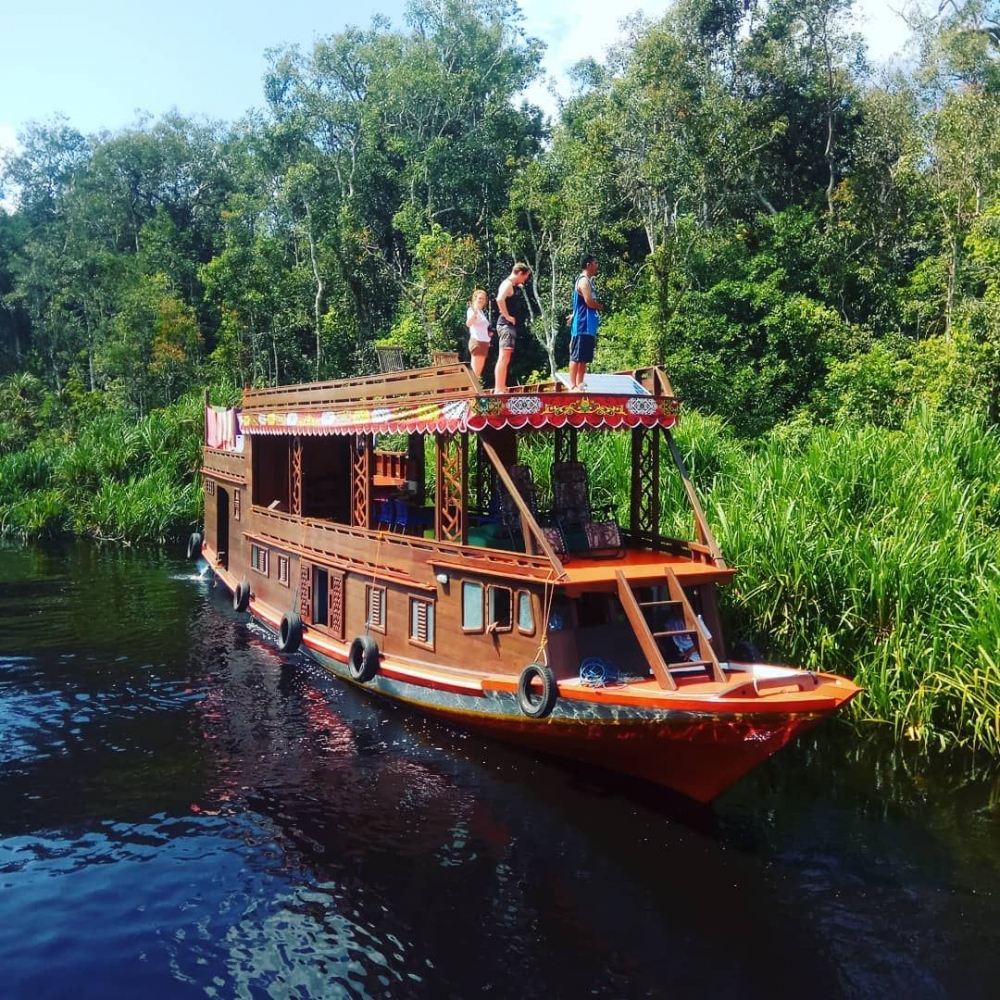
    Floating down the Sekonyer River in a Klotok (traditional wooden boat) is the best way to see Orangutans in the wild in Borneo.

    • The Vibe: You eat, sleep, and shower on the boat while drifting through the heart of the jungle. At night, the trees are lit up by thousands of fireflies.
    • Insider Tip: Use biodegradable soap and shampoo. You are in a fragile ecosystem; what you wash with goes directly into the river.

    7. Master the Art of Batik in Yogyakarta

    Authentic Indonesia Travel Experiences-Batik Yogyakarta
    Authentic Indonesia Travel Experiences-Batik Yogyakarta

    Yogyakarta (Jogja) is the soul of Javanese culture. Batik isn’t just a fabric; it’s a philosophy.

    • The Activity: Skip the shops and join a 3-day workshop at a local studio. You’ll learn to use a canting (wax pen) and natural dyes.
    • Insider Tip: Look for “Batik Tulis” (hand-drawn) rather than “Batik Cap” (stamped). The “tulis” version is where the true craftsmanship lies.

    8. Savoring the “Pajalele” in Tanah Toraja

    Authentic Indonesia Travel Experiences -pajalele tanatoraja
    Authentic Indonesia Travel Experiences -pajalele tanatoraja

    In the highlands of Sulawesi, the Torajan people have a culture centered around the afterlife. Their funeral ceremonies are elaborate, multi-day festivals.

    • The Experience: Being invited to a funeral is common and considered an honor for tourists. It’s a profound look at how another culture views death and celebration.
    • Insider Tip: You must bring a gift. A carton of cigarettes or a bag of sugar is the standard “guest tax” to show your appreciation to the host family.

    9. Surfing the “Secret” Breaks of Sumba

    Authentic Indonesia Travel Experiences-Sumba
    Authentic Indonesia Travel Experiences-Sumba

    Bali is crowded. Sumba is the frontier. With its wild horses and megalithic tombs, Sumba offers world-class surfing without the 50-person lineup.

    • Insider Tip: Sumba is culturally conservative. When you aren’t on the beach, keep your shoulders and knees covered to respect the local Marapu tradition.

    10. Coffee Cupping in the Gayo Highlands

    Authentic Indonesia Travel Experiences-Gayocoffee
    Authentic Indonesia Travel Experiences-Gayocoffee

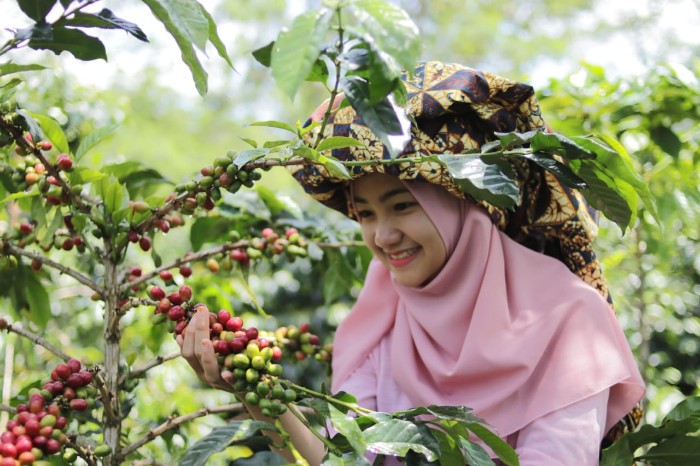
    Sumatran coffee is world-famous. In Takengon, Aceh, you can walk through the plantations and see the “wet-hull” process.

    • The Experience: Drink coffee at a “Warung” (roadside stall). The coffee is served in a glass, usually with a lot of sugar and a side of fried bananas (Pisang Goreng).

    11. Diving the “Amazon of the Seas” in Raja Ampat

    Authentic Indonesia Travel Experiences-diving raja ampat
    Authentic Indonesia Travel Experiences-diving raja ampat

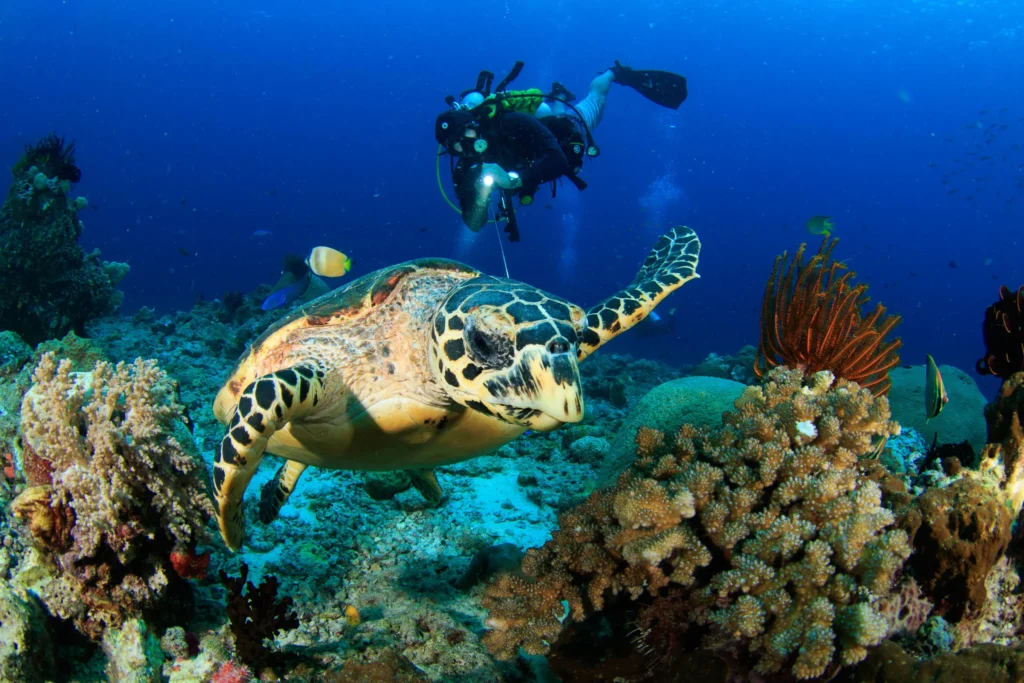
    Raja Ampat has the highest marine biodiversity on the planet. This is the gold standard for 15 authentic Indonesia travel experiences.

    • Authentic Stay: Choose a Papuan-owned homestay over a luxury liveaboard. You’ll eat fresh-caught fish and help the local economy directly.
    • Insider Tip: Bring your own rechargeable torch and extra batteries. Electricity in homestays is usually only available from 6 PM to 10 PM.

    12. Cooking Class in a Balinese Compound

    Authentic Indonesia Travel Experiences-balinesecooking
    Authentic Indonesia Travel Experiences-balinesecooking

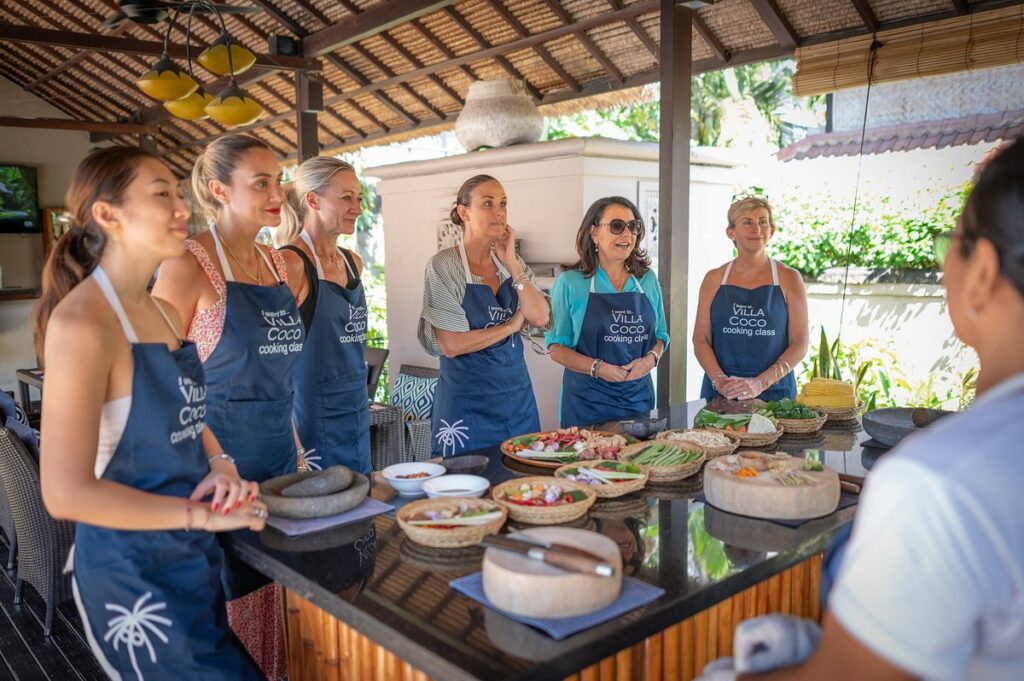
    Forget the restaurant classes. Go to a family home in Sidemen or Munduk.

    • The Ritual: You’ll start at the local market at 6 AM. You’ll learn that Balinese food is about Base Gede—a complex spice paste made with a mortar and pestle.
    • Insider Tip: “Pedas” means spicy. If you aren’t a fan of chili, tell them “Tidak pedas” (No spicy). Indonesian “medium” is usually “very hot” for Westerners!

    13. The Spirit of the Megaliths in Bada Valley

    Authentic Indonesia Travel Experiences megalitikum sulawesi tengah
    Authentic Indonesia Travel Experiences megalitikum sulawesi tengah

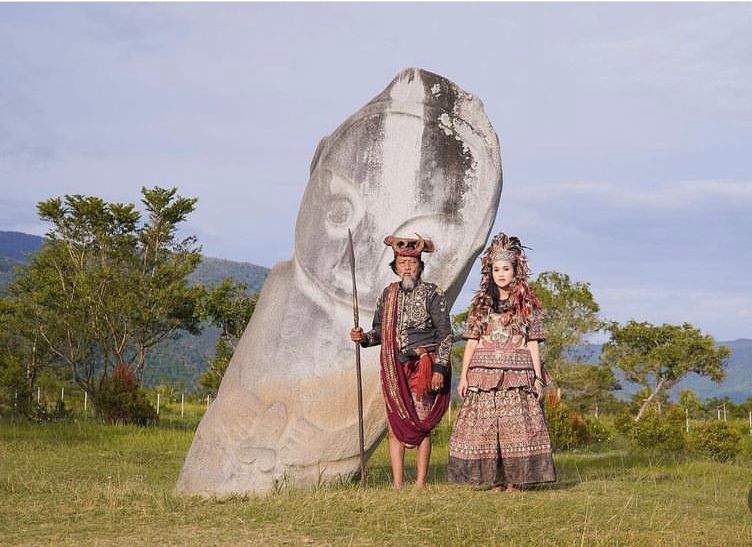
    Deep in Central Sulawesi’s Lore Lindu National Park lie ancient stone statues that look like they belong on Easter Island.

    • The Adventure: This requires a 4WD and a lot of patience. It’s one of the least visited sites in Indonesia.

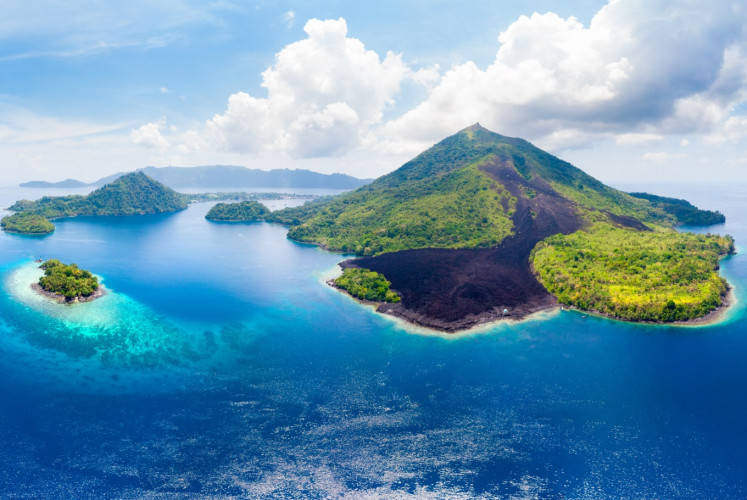
    14. Island Hopping in the Banda Islands

    Authentic Indonesia Travel Experiences-banda islands
    Authentic Indonesia Travel Experiences-banda islands

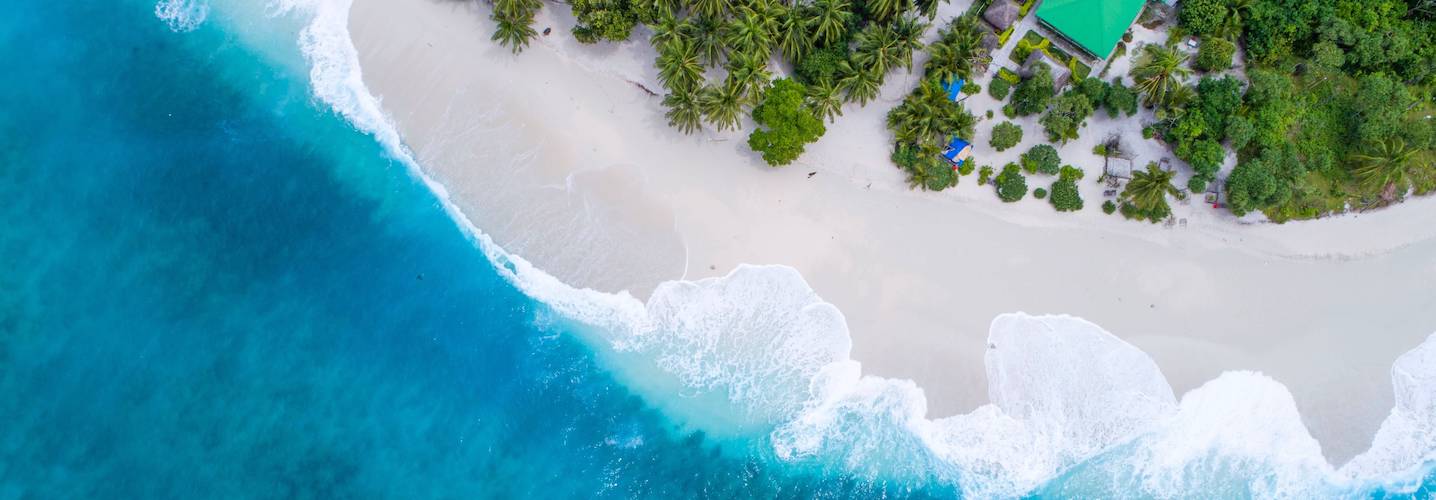
    Once the only source of nutmeg in the world, these islands are soaked in colonial history and surrounded by crystal-clear water.

    • The Vibe: It feels like time stopped in 1920. Walk through the old Dutch forts and then jump into the water to see coral growing over lava flows.

    15. Sunday Market at Bukittinggi

    Authentic Indonesia Travel Experiences-Sunday Market at Bukittinggi
    Authentic Indonesia Travel Experiences-Sunday Market at Bukittinggi

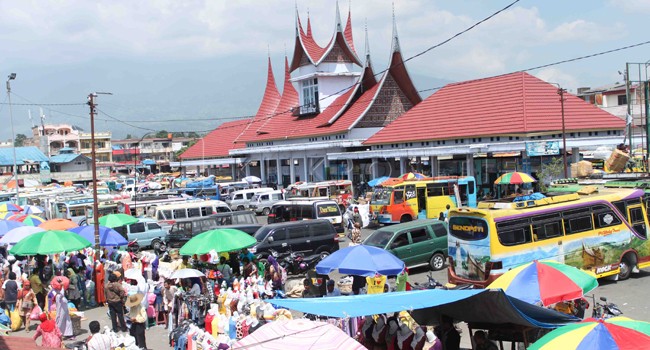
    Sumatra’s Minangkabau culture is matrilineal. Their architecture, with roofs like buffalo horns, is stunning.

    • The Experience: Get lost in the Pasar Atas market. Try the Nasi Kapau—it’s like Nasi Padang but even more authentic.

    Practical Tips for Your 2026 Journey

    • Money: While Bali and Jakarta are going cashless, for the “authentic” spots mentioned above, Cash is King. Always have a stash of 10,000 and 20,000 IDR notes for markets and tips.
    • Connectivity: Buy a local Telkomsel SIM card at the airport. It has the best coverage in remote areas like Bromo, Flores, or Papua.
    • Etiquette: Use your right hand to give or receive things. The left hand is traditionally considered “unclean.”
    • Transport: Download Grab or Gojek. They are the “Uber” of Southeast Asia and will save you from getting overcharged by unmetered taxis.

    Ready to Explore?

    Indonesia is more than a destination; it’s a feeling. From the volcanic dust of Bromo to the underwater paradise of Raja Ampat, by choosing these 15 authentic Indonesia travel experiences, you aren’t just a visitor—kamu adalah tamu (you are a guest).