Month: March 2026

  • The Ultimate Mount Bromo and Ijen Crater Tour Guide: From Volcanic Sunrises to Blue Flames

    The Ultimate Mount Bromo and Ijen Crater Tour Guide: From Volcanic Sunrises to Blue Flames

    Get on Explore – So, you’ve seen the photos on Instagram—the ethereal mist swirling around an ancient caldera and the neon-blue fire glowing in the dark. Now, you’re ready to see it for yourself.

    East Java is home to some of the most dramatic landscapes on Earth. But let’s be real: planning a trip to Mount Bromo and Ijen Crater isn’t exactly a walk in the park. It involves midnight treks, bumpy jeep rides, and sulfur fumes that smell like a thousand rotten eggs (worth it, though!).

    This guide is designed to help you navigate the logistics like a pro, avoid the tourist traps, and ensure your adventure is as epic as the photos promise.


    Why Mount Bromo and Ijen Should Be on Your Bucket List

    While Bali has the beaches, East Java has the raw, tectonic power.

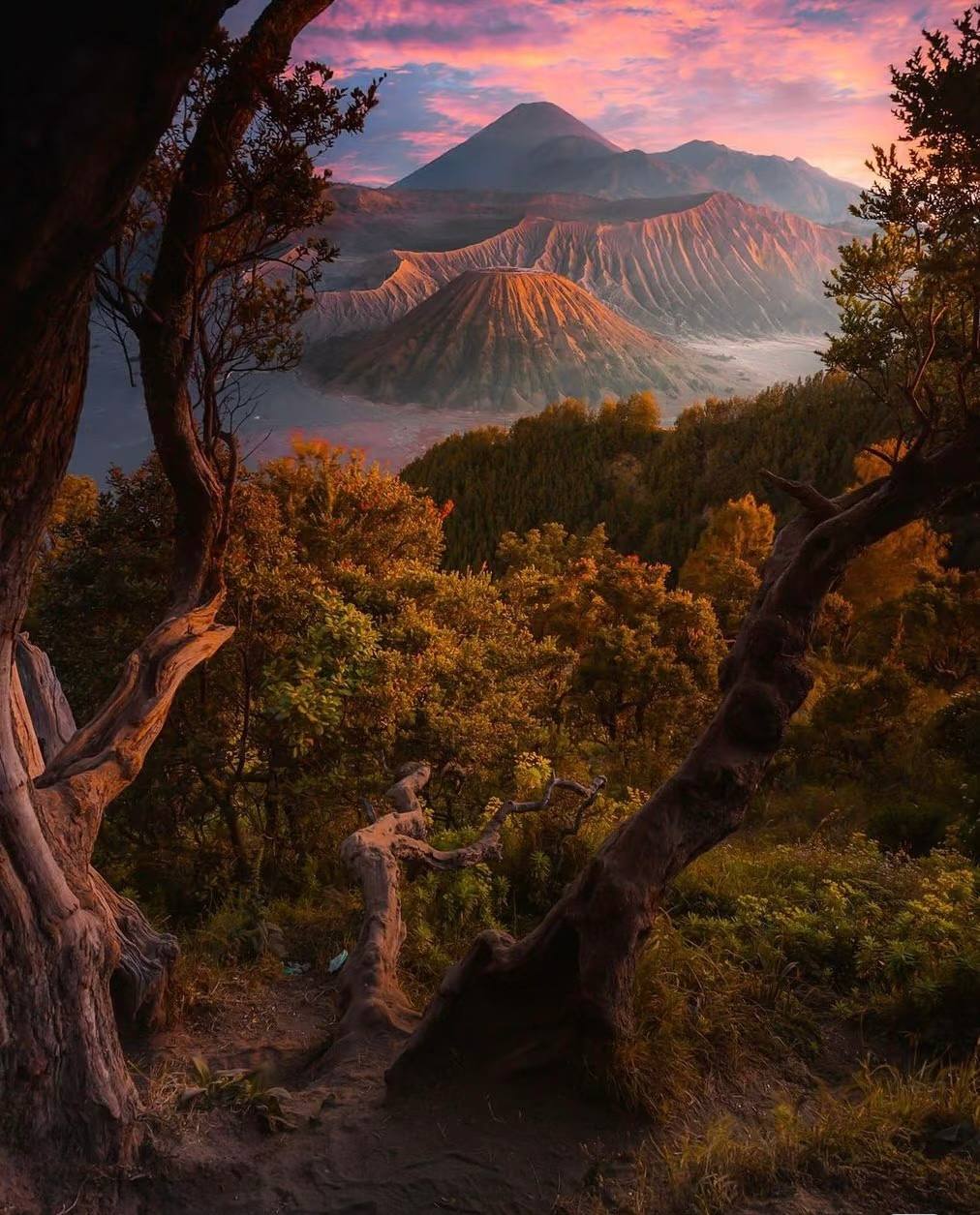
    Mount Bromo is an active volcano sitting inside the massive Tengger Caldera. It’s famous for its “Sea of Sand” and the iconic sunrise view from Penanjakan Hill. On the other hand, Ijen Crater (Kawah Ijen) offers something truly unique: the world’s largest highly acidic lake and the rare “Blue Fire” phenomenon, caused by ignited sulfuric gases.


    The Best Time to Visit

    Indonesia has two seasons: dry and wet.

    • Dry Season (April to October): This is the prime time. Skies are clear, making those sunrise shots crisp.
    • Wet Season (November to March): You can still go, but be prepared for rain and clouds that might block the view.
    • Pro Tip: Avoid Indonesian public holidays and long weekends. Bromo can get incredibly crowded, with hundreds of jeeps lining up, which takes a bit of the “magic” away.

    Detailed Itinerary: The Classic 3-Day Adventure

    Most travelers start from Surabaya or Malang. Here’s how a typical high-quality tour looks:

    Day 1: Arrival and Transfer to Bromo

    Your guide will pick you up and drive you to the village of Cemoro Lawang. This village sits right on the edge of the crater.

    • Insider Info: Spend the evening walking around the village. The view of the caldera at sunset is often just as good as sunrise, and there are far fewer people.

    Day 2: The Bromo Sunrise and the Sea of Sand

    • 03:00 AM: Hop into a 4×4 Jeep. It’s cold—colder than you think.
    • 05:00 AM: Watch the sun rise over the peaks.
    • 07:00 AM: Cross the Sea of Sand and hike (or take a horse) up the stairs to the Bromo crater rim. You’ll hear the volcano “roar.”
    • 10:00 AM: Head back for breakfast, then start the 6-hour drive toward Ijen (Banyuwangi).

    Day 3: The Blue Fire of Ijen

    • 01:00 AM: Reach the Paltuding base camp.
    • 02:00 AM: Start the 2-hour uphill trek.
    • 04:00 AM: Descend into the crater to see the Blue Fire.
    • 06:00 AM: Watch the turquoise lake appear as the sun rises.
    • 08:00 AM: Hike back down and see the sulfur miners carrying up to 80kg of rock on their shoulders.

    “Insider” Tips for a Smooth Experience (E-A-T)

    As a seasoned Mount Bromo and Ijen Crater tour guide, I’ve seen travelers make the same mistakes. Here is the “insider” knowledge to keep you ahead of the pack:

    1. Layers are Non-Negotiable

    It can be $5^\circ\text{C}$ ($41^\circ\text{F}$) at the viewpoints but $25^\circ\text{C}$ by noon. Wear a thermal base, a fleece, and a windbreaker. You can rent heavy jackets at Bromo for a few dollars if you don’t want to pack one.

    2. Cash is King

    While hotels take cards, the local “Warungs” (food stalls) and horse riders do not. Always carry small denominations of Indonesian Rupiah (IDR). If you want to buy a hot ginger tea (Wedang Jahe) at 4 AM, you’ll need it.

    3. The Gas Mask at Ijen

    Don’t rely on a simple surgical mask for Ijen. The sulfur fumes are heavy and can sting your lungs. High-quality respirators are usually provided by good tour operators—make sure yours includes one.

    4. Respect the Miners

    The Ijen sulfur miners have one of the toughest jobs in the world. If you take a photo of them, it’s polite to offer a small tip or buy a small sulfur carving from them.

    5. Eye Care

    If you wear contact lenses, consider switching to glasses for the Ijen hike. The sulfuric acid in the air can irritate your eyes significantly when trapped behind a lens.


    Essential Packing List

    Don’t leave your hotel without these:

    • Headlamp: Essential for the Ijen night trek so your hands stay free.
    • Trekking Shoes: The path at Ijen can be slippery with loose gravel.
    • Sunscreen: Even if it feels cold, the mountain sun is intense.
    • Power Bank: Cold weather drains phone batteries faster.
    • Snacks: High-energy bars are great for that midnight boost.

    What to Expect from Your Guide

    A great Mount Bromo and Ijen Crater tour guide does more than just show the way. They are your:

    • Safety Officer: Monitoring volcanic activity and gas levels.
    • Photographer: They know exactly which rock to stand on for the best angle.
    • Culture Bridge: Explaining the traditions of the Tenggerese Hindus who live around Bromo.

    Capturing the Magic: Photo & Video Tips

    To get those “National Geographic” shots:

    • Golden Hour: For Bromo, stay at the viewpoint 20 minutes after the sun rises. Most people leave immediately, but the light gets softer and better for photos once the “main event” crowd thins out.
    • Ijen Blue Fire: You’ll need a tripod or a very steady hand (and a long exposure setting) to capture the blue flames in the dark.
    • Drone Users: Check local regulations first. Bromo is generally drone-friendly, but wind speeds can be unpredictable.

    Traveler Note: The sulfur at Ijen can slightly tarnish silver jewelry. If you have a precious silver ring or necklace, leave it in the hotel safe!


    Ready to Book Your Adventure?

    Planning this trip on your own involves coordinating multiple drivers, jeep rentals, entrance permits, and gear. It can be a headache, especially when you’re operating on 3 hours of sleep!

    If you want a seamless, high-end experience where everything is handled—from comfortable transport to expert local storytelling—we highly recommend Get on Explore.

    Get on Explore is a premier travel organizer specializing in East Java adventures. They cater to both international travelers and locals, ensuring:

    • Multilingual Guides: No language barriers.
    • Premium Logistics: Clean, air-conditioned vehicles and reliable 4×4 jeeps.
    • Safety First: Quality gas masks and safety briefings for the Ijen crater.
    • Tailored Experiences: Whether you’re a solo backpacker or a family, they can customize the pace to suit you.

    Don’t just visit East Java—experience it with people who know every hidden corner of the caldera.
  • Iconic Indonesian Adventures for Young Travelers: The Ultimate 15-Destination Bucket List

    Iconic Indonesian Adventures for Young Travelers: The Ultimate 15-Destination Bucket List

    Get on Explore – Indonesia is not just a destination; it’s a rite of passage. For the modern backpacker in Indonesia, this archipelago of 17,000 islands offers a sensory overload of smoking volcanoes, neon-blue waters, and ancient rituals. If you’re a young traveler looking to trade the “tourist traps” for authentic cultural tourism and groundbreaking ecotourism, you’ve come to the right place.

    From the hipster hubs of Java to the prehistoric frontiers of Papua, here are 15 iconic adventures that define the Indonesian experience.


    The Heart of Java: Culture and Volcanic Peaks

    1. Yogyakarta (Jogja): The Soul of the Nation

    iconic adventur in Indonesia - jogja-yogyakarta
    iconic adventur in Indonesia – jogja-yogyakarta

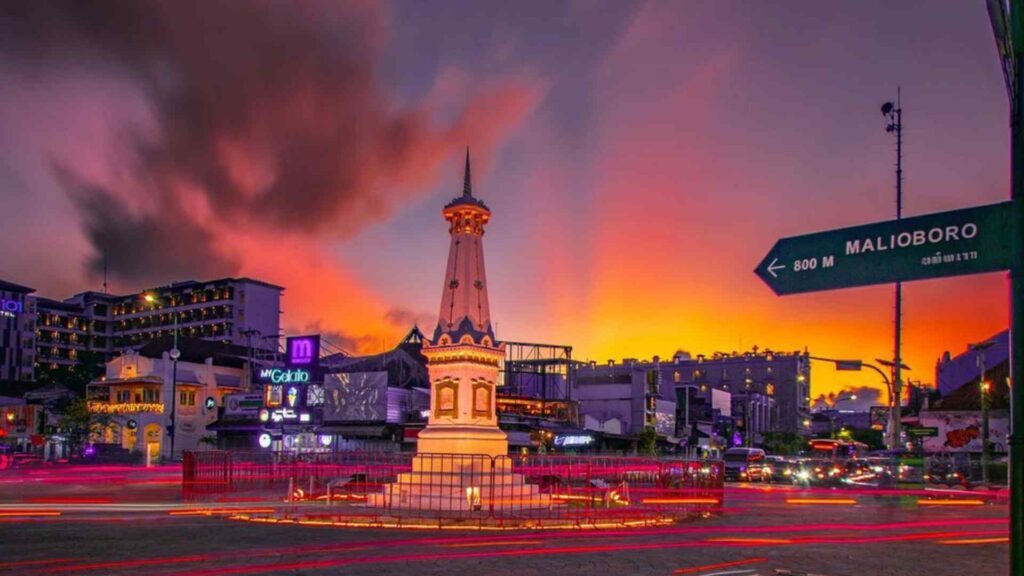
    Jogja is the undisputed capital of cultural tourism. Imagine cycling through rice fields at dawn to reach Borobudur, the world’s largest Buddhist temple, just as the mist clears. By night, the city transforms. Head to Malioboro to eat Gudeg (sweet jackfruit stew) on floor mats (lesehan) while street musicians serenade you.

    Insider Tip: Always carry small cash (IDR 2,000–5,000) for “parking fees” or temple donations. It saves you the headache of waiting for change.

    2. Malang: The Colorful Gateway

    Open Trip Tumpak Sewu Malang Bromo Get on Explore
    Open Trip Tumpak Sewu Malang Bromo Get on Explore

    Malang feels like a breath of fresh air. Beyond its Dutch colonial architecture, it houses Kampung Warna-Warni, a rainbow-colored village that is a photographer’s dream. It’s also the base for the Bromo sunrise trek. Standing on the edge of the Bromo crater while the earth rumbles beneath your feet is a humbling experience every young traveler needs.

    3. Wonosobo & Dieng Plateau: The Abode of Gods

    iconic adventur in Indonesia - dieng-wonosobo
    iconic adventur in Indonesia – dieng-wonosobo

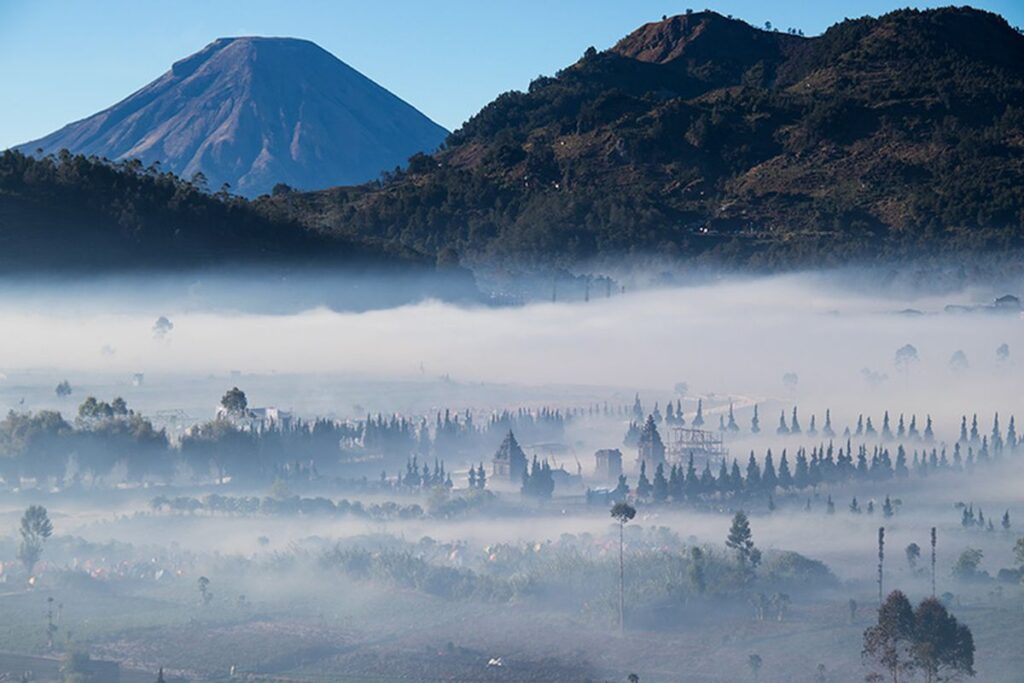
    Located high in the clouds, Wonosobo leads you to the Dieng Plateau. This is ecotourism at its peak. You’ll find multi-colored sulfuric lakes (Telaga Warna) and ancient Hindu temples scattered across a landscape that looks like Scotland—but with tropical air.

    Pro Tip: Bring a real jacket. Temperatures here can drop to $5°C$ at night!

    4. Karimunjawa: The Hidden Archipelago

    iconic adventur in Indonesia - dieng-wonosobo
    iconic adventur in Indonesia – dieng-wonosobo

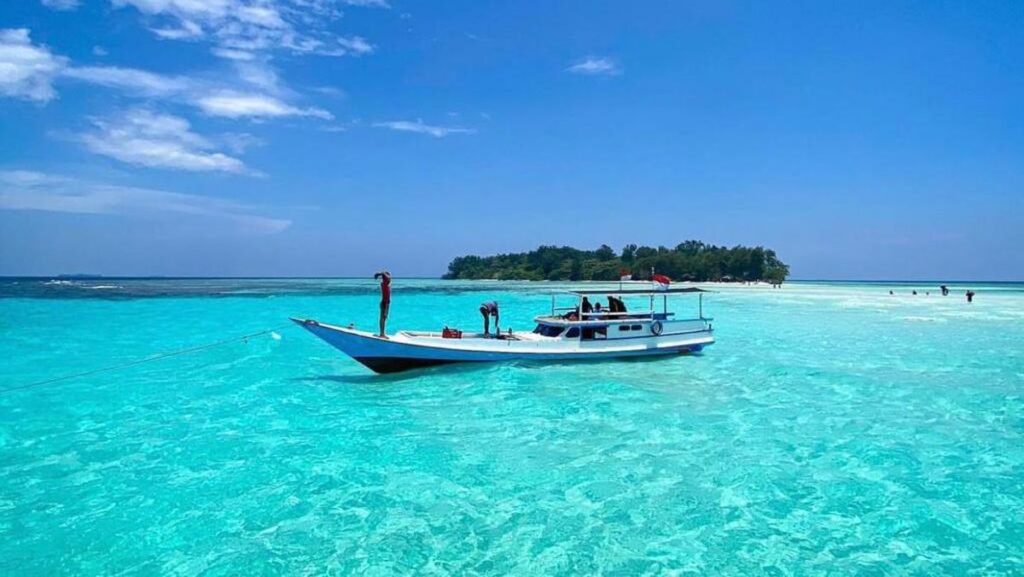
    Forget the crowded beaches of Bali for a moment. Karimunjawa is a secret chain of islands off the coast of Central Java. It’s a backpacker’s paradise for snorkeling with baby sharks and eating grilled fish on uninhabited islands.


    Bali & The Lesser Sunda Islands: Into the Wild

    5. Ubud, Bali: The Spiritual Reset

    iconic adventur in Indonesia - Ubud Bali
    iconic adventur in Indonesia – Ubud Bali

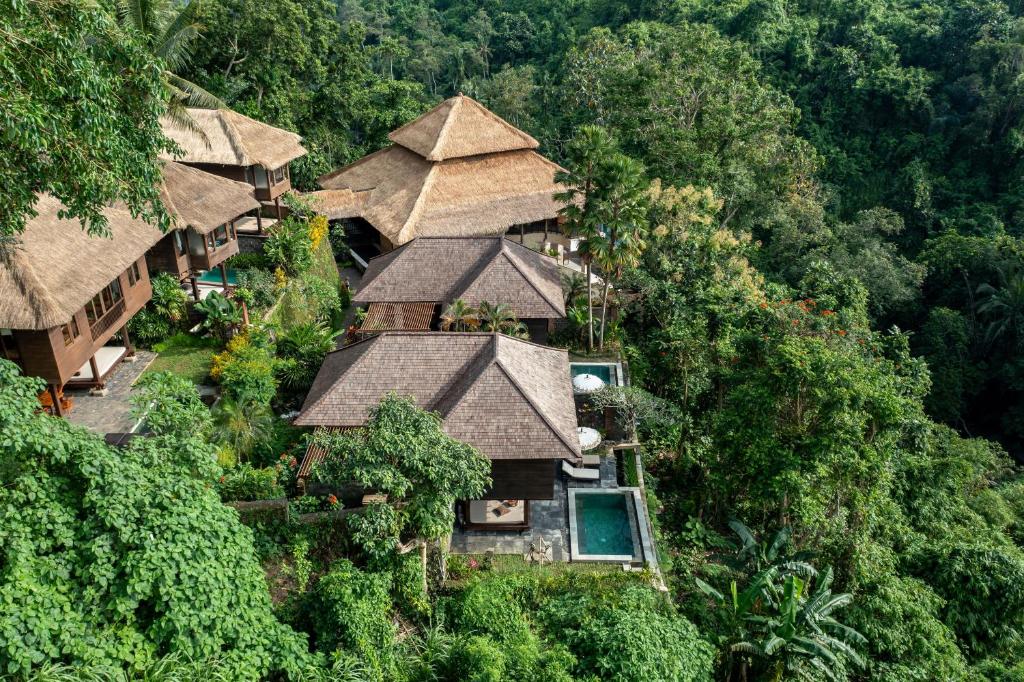
    Ubud is where cultural tourism meets wellness. Get lost in the Tegalalang rice terraces or take a silver-making workshop with local artisans. It’s the perfect place to slow down and reconnect before your next rugged trek.

    6. Nusa Penida: The Rugged Frontier

    iconic adventur in Indonesia - Nusa Penida Bali
    iconic adventur in Indonesia – Nusa Penida Bali

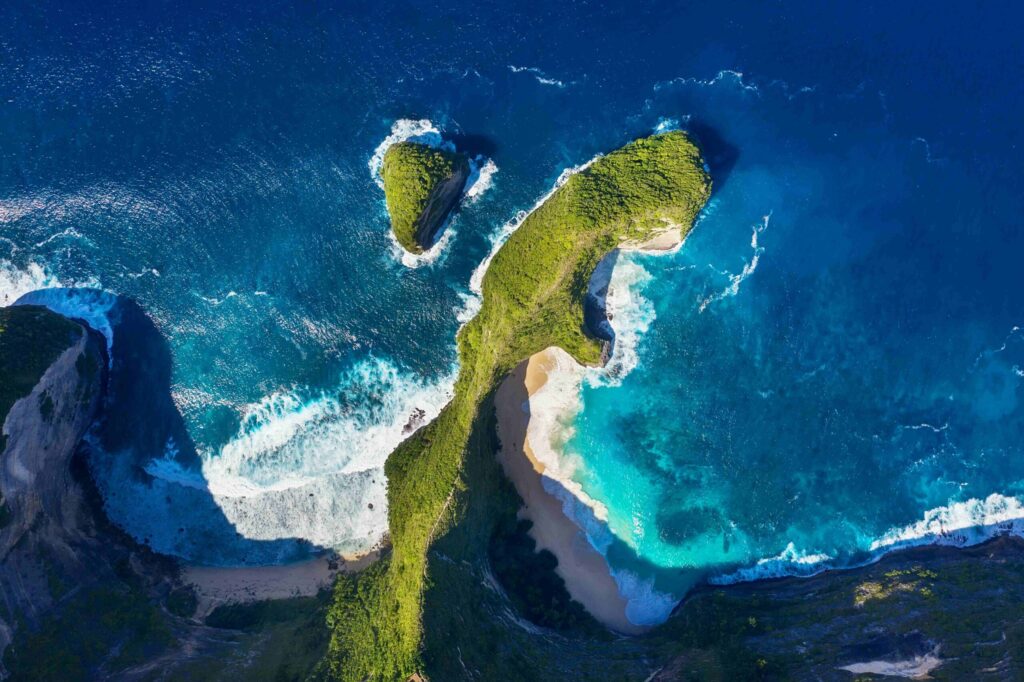
    Just a boat ride from Bali, Penida is “Bali 20 years ago.” The cliffs at Kelingking Beach (shaped like a T-Rex) are iconic, but the real magic is swimming with Manta Rays at Manta Point. The roads are bumpy, so only rent a scooter if you’re a confident rider!

    7. Mount Rinjani, Lombok: The Ultimate Challenge

    iconic adventur in Indonesia - Rinjani Lombok
    iconic adventur in Indonesia – Rinjani Lombok

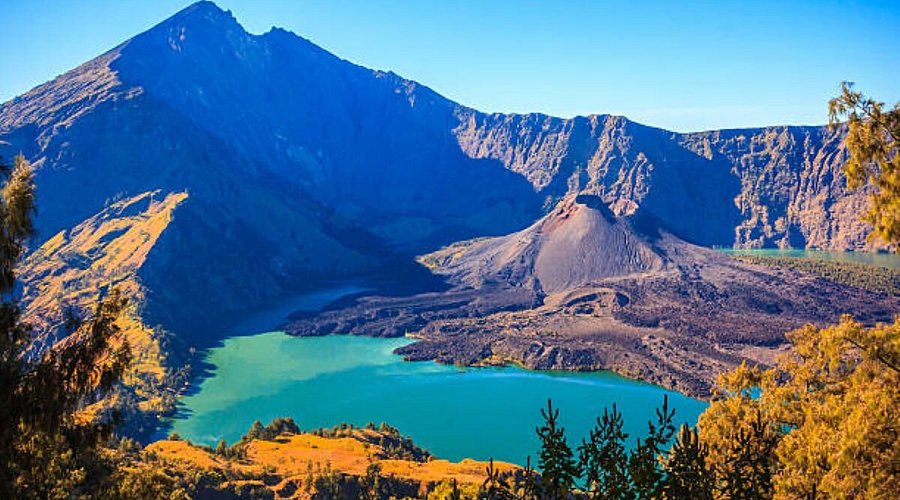
    For the hardcore adventurer, Lombok offers Rinjani. This multi-day trek takes you to the rim of a massive volcano with a turquoise lake (Segara Anak) inside. It’s a grueling climb, but watching the sunrise from the summit at $3,726$ meters is a spiritual experience.

    8. Labuan Bajo, Flores: Gateway to Dragons

    iconic adventur in Indonesia - labuan Bajo - Flores
    iconic adventur in Indonesia – labuan Bajo – Flores

    This fishing town is your base for the Komodo National Park. Witnessing a 3-meter Komodo Dragon in the wild is a “Jurassic Park” moment. The park is a prime example of ecotourism, where your park fees help protect these prehistoric giants.

    9. Padar Island, NTT: The Triple Bay

    iconic adventur in Indonesia - Padar Island
    iconic adventur in Indonesia – Padar Island

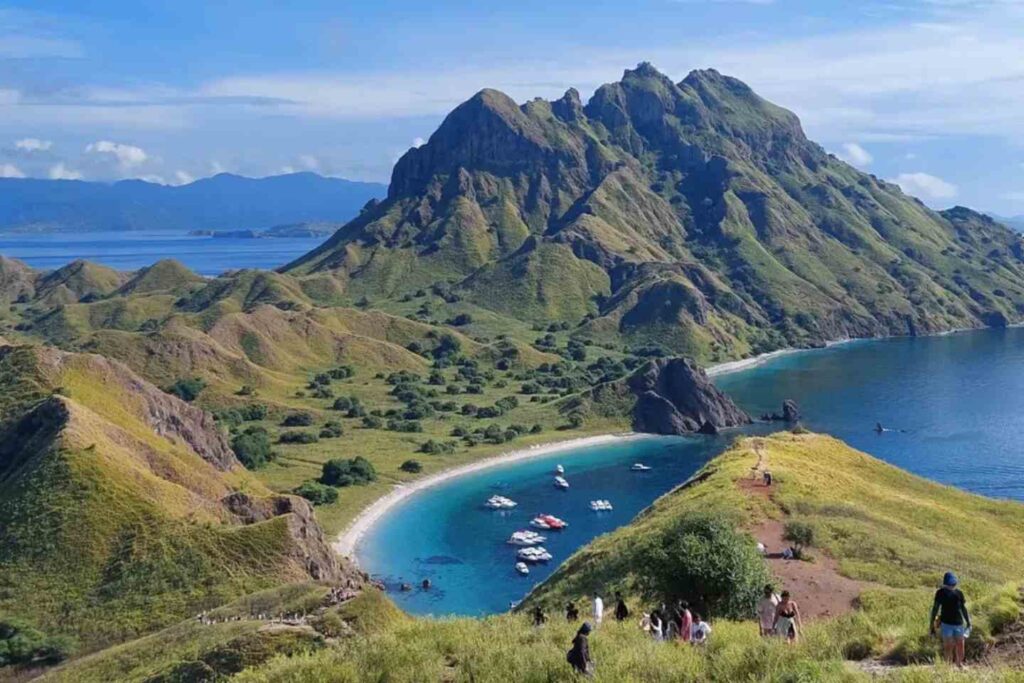
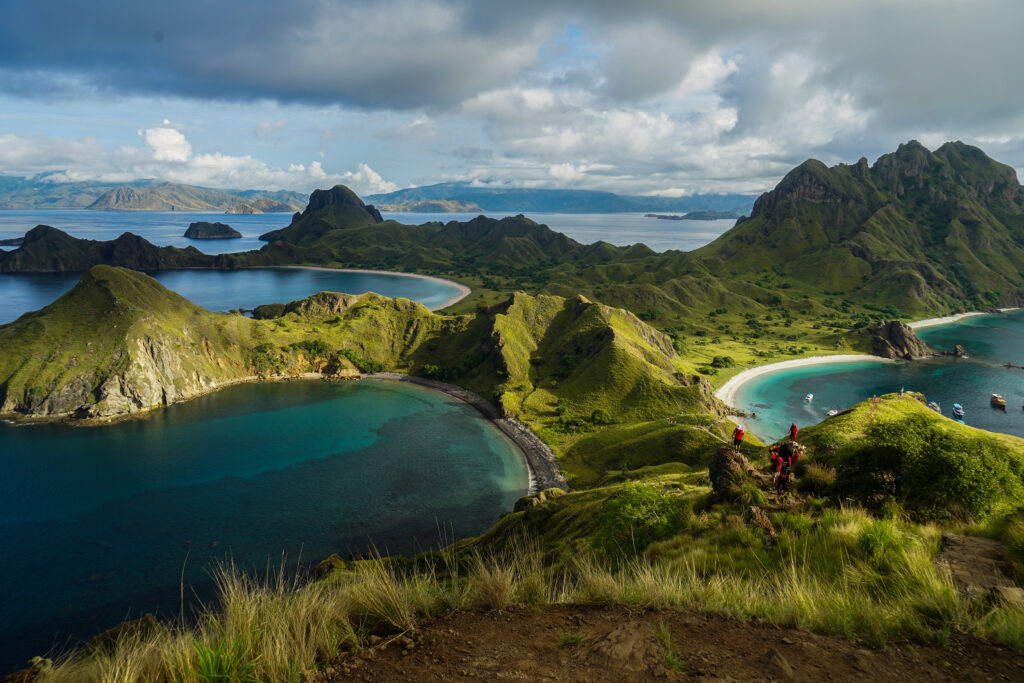
    Located within the Komodo archipelago, Padar offers one of the most famous views in the world. A short, steep hike rewards you with a vista of three bays: one with white sand, one with black, and one with pink.

    10. Sumba: The Land of Spirits

    Sumba

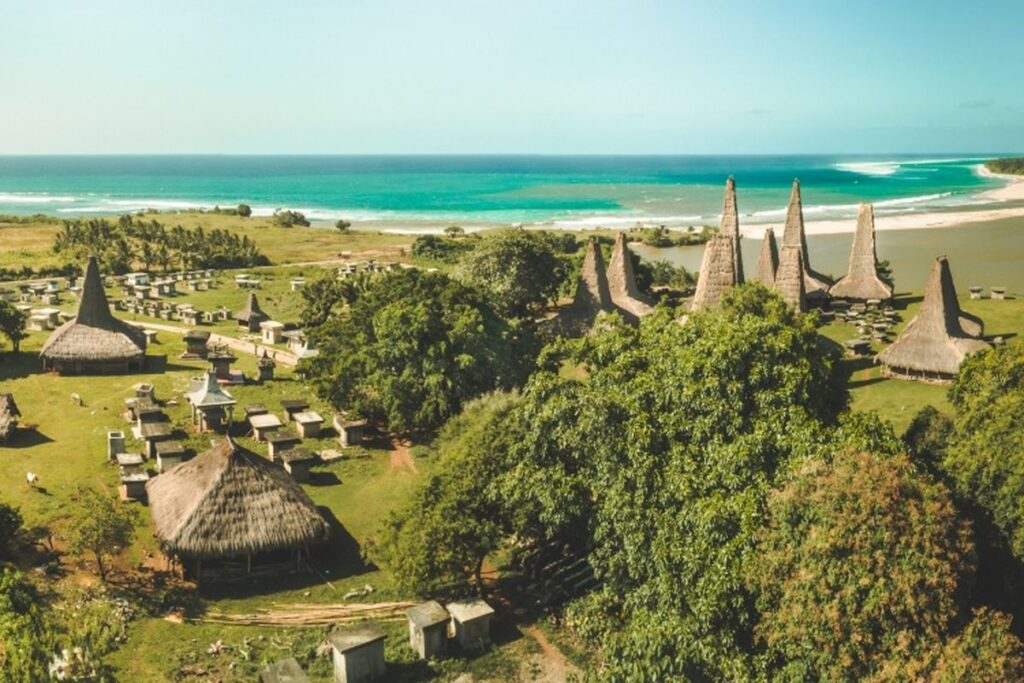
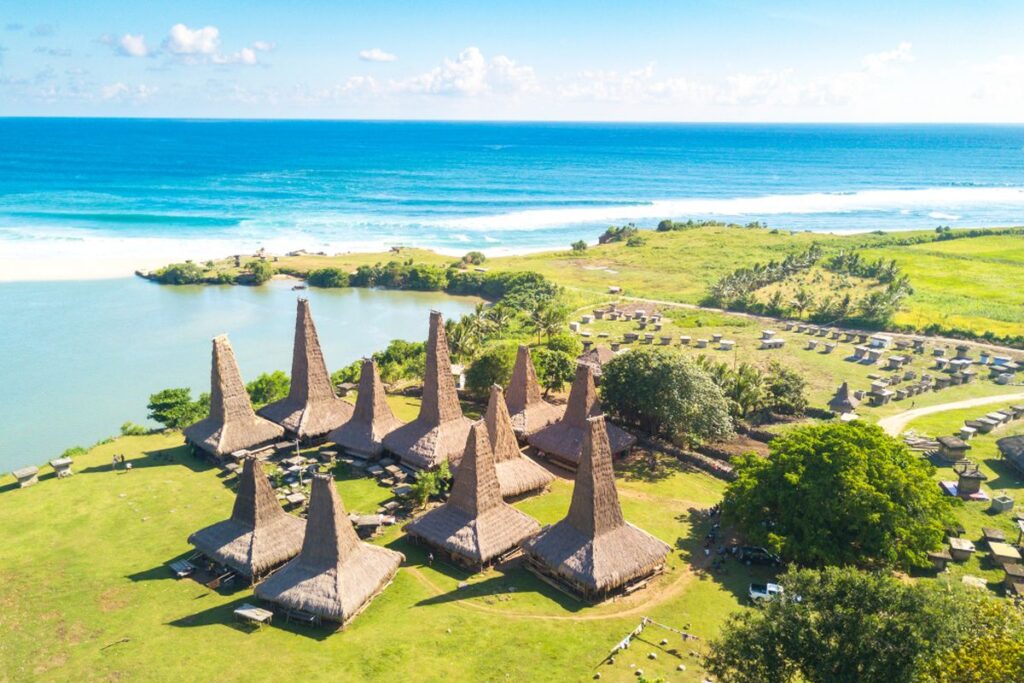
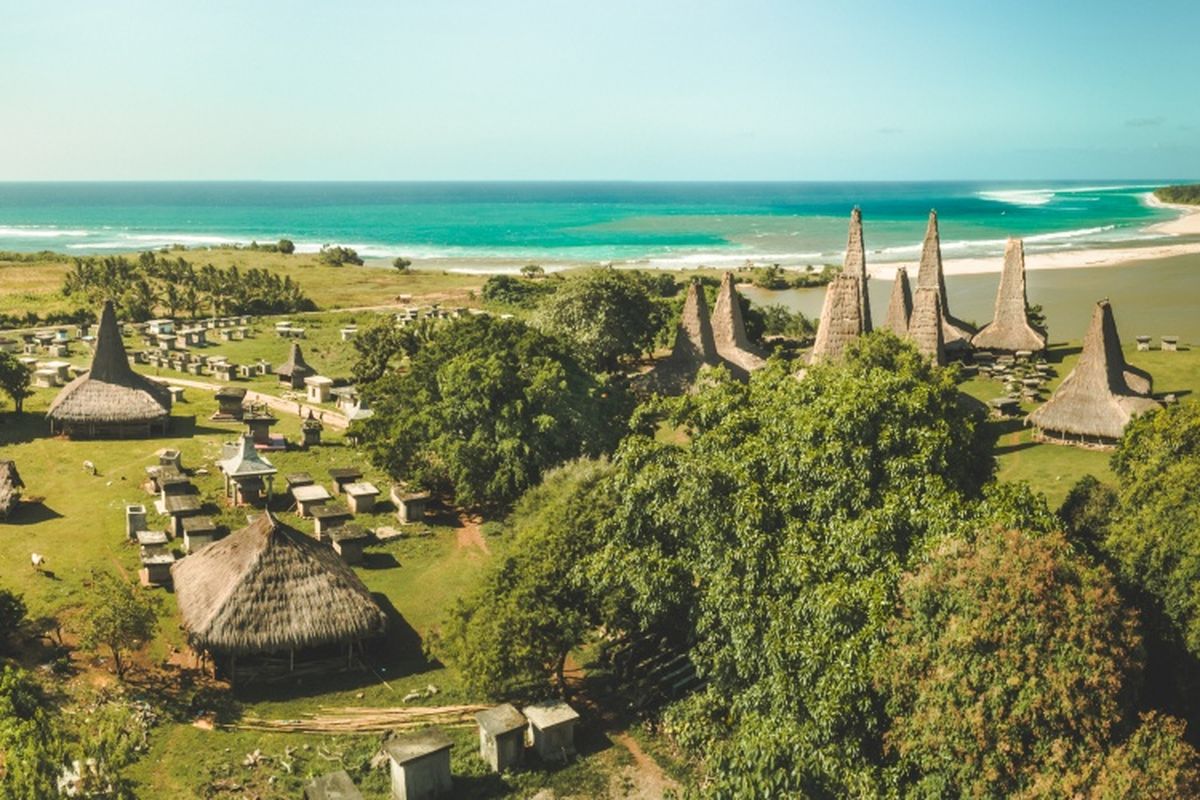
    Sumba is for the traveler who wants to go off the grid. Known for its giant megalithic tombs and high-roofed thatched houses, the culture here is unlike anywhere else. Visit Weekuri Lagoon for a dip in crystal-clear saltwater surrounded by coral.


    Sumatra & Kalimantan: Jungles and Giants

    11. Bukit Lawang, Sumatra: Jungle Fever

    iconic adventure in indonesia for young backpacker - bukit lawang medan
    iconic adventure in indonesia for young backpacker – bukit lawang medan

    Deep in the Gunung Leuser National Park, you can trek into the rainforest to see semi-wild Orangutans. Watching these “people of the forest” swing through the canopy is the gold standard of ecotourism.

    Insider Tip: Hire a certified guide who follows “No Touch, No Feed” policies to keep the animals safe.

    12. Lake Toba, Sumatra: A Lake Inside a Volcano

    iconic adventure in indonesia for young backpacker - Toba Lake
    iconic adventure in indonesia for young backpacker – Toba Lake

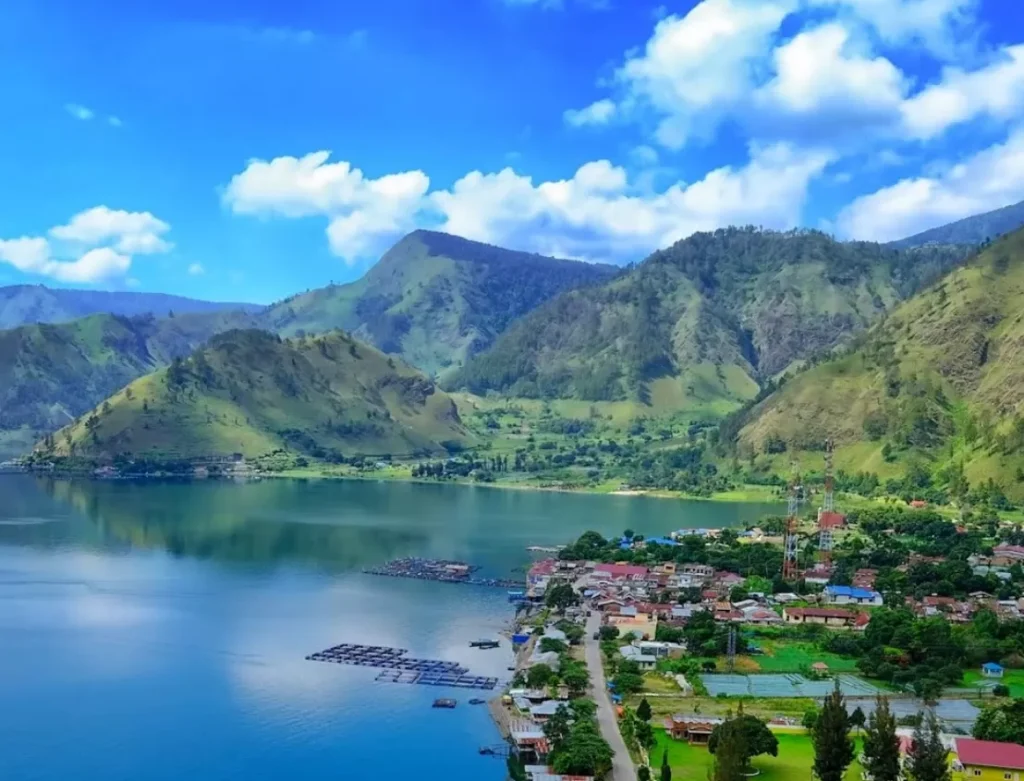
    Formed by a supervolcanic eruption, Lake Toba is massive. Stay on Samosir Island in the middle of the lake to explore the Batak culture. The air is cool, the locals are incredibly musical, and the scenery is vast.

    13. Tanjung Puting, Kalimantan: The River Journey

    iconic adventure in indonesia for young backpacker - Tanjung Puting

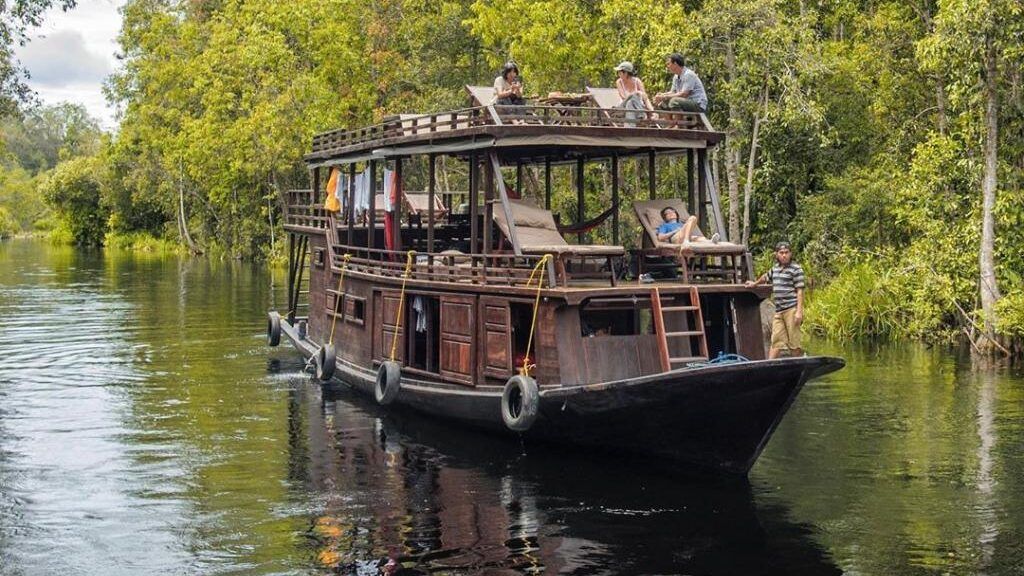
    Live on a Klotok (traditional houseboat) for three days as you cruise down the Sekonyer River. You’ll eat, sleep, and shower on the boat while spotting Proboscis monkeys and Orangutans from the deck.


    Sulawesi & Papua: The Final Frontiers

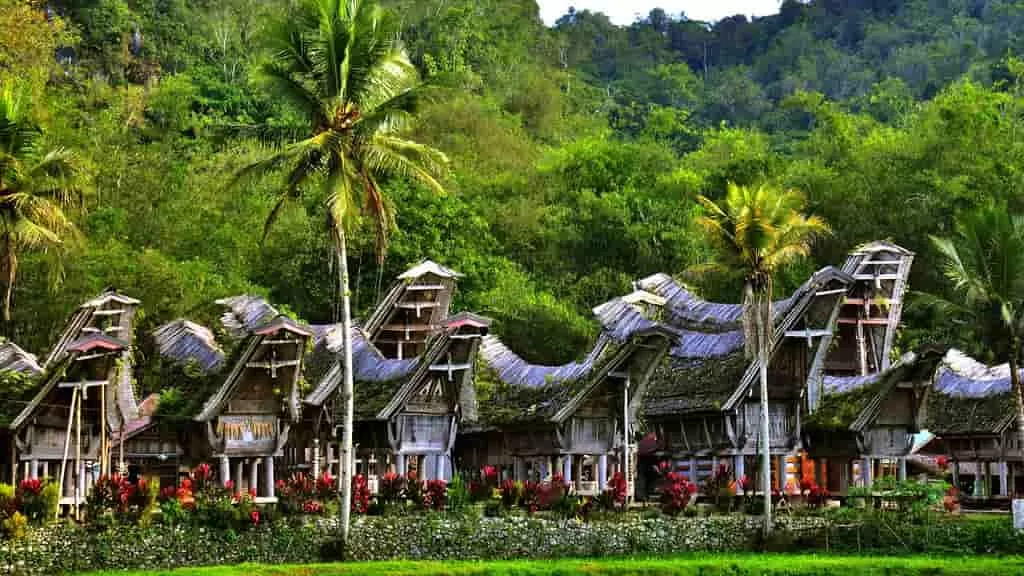
    14. Tana Toraja, Sulawesi: Life After Death

    iconic adventure in indonesia for young backpacker - Tana Toraja
    iconic adventure in indonesia for young backpacker – Tana Toraja

    Toraja offers the most unique cultural tourism in the world. Their elaborate funeral ceremonies and cave graves are legendary. It’s a deep, respectful look at how a culture views the transition from life to the afterlife.

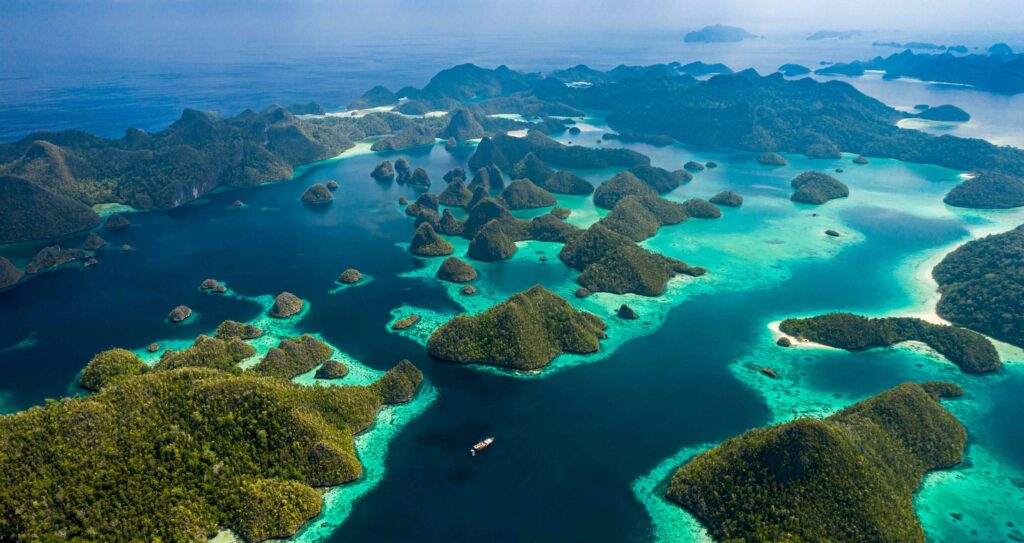
    15. Raja Ampat, West Papua: The Last Paradise

    iconic adventure in indonesia for young backpacker - Raja Ampat
    iconic adventure in indonesia for young backpacker – Raja Ampat

    Often called the “Amazon of the Ocean,” Raja Ampat holds the highest marine biodiversity on Earth. For a backpacker in Indonesia, staying in a local homestay on Kri Island is the best way to experience this underwater wonderland without the “luxury resort” price tag.


    Travel Tips for the “Iconic” Experience

    • Download Grab or Gojek: These are the “everything apps” for transport and food delivery.
    • Plastic-Free: Bring a reusable water bottle. Many hostels now provide gallon refills to support ecotourism.
    • Respect the “Adat”: Every region has its own local laws (Adat). When in doubt, dress modestly (shoulders and knees covered) when visiting villages.

    Make it Happen with Get on Explore

    Planning an expedition across 15 different locations can be daunting, especially when dealing with local boat schedules and permits. This is where Get on Explore comes in.

    As a premier travel organizer for both international and local travelers, Get on Explore specializes in curated, authentic adventures. Whether you want to trek the peaks of Rinjani, dive the reefs of Raja Ampat, or immerse yourself in the traditions of Toraja, they handle the logistics so you can focus on the “wow” moments.

    Ready to start your iconic Indonesian adventure? Contact Get on Explore today and let the experts turn your bucket list into reality. Your story starts here!

  • Discover the Best Cultural Art in Indonesia: A Journey Through Living Traditions

    Discover the Best Cultural Art in Indonesia: A Journey Through Living Traditions

    Get on Explore – When you travel through Indonesia, you aren’t just moving between islands; you are moving through layers of time. The best cultural art in Indonesia is a tapestry woven from Hindu-Buddhist roots, Islamic influences, and ancient animist beliefs. To see these arts is to witness a living history that refuses to fade.

    10 Masterpieces of Indonesian Culture: Stories, History, and Soul

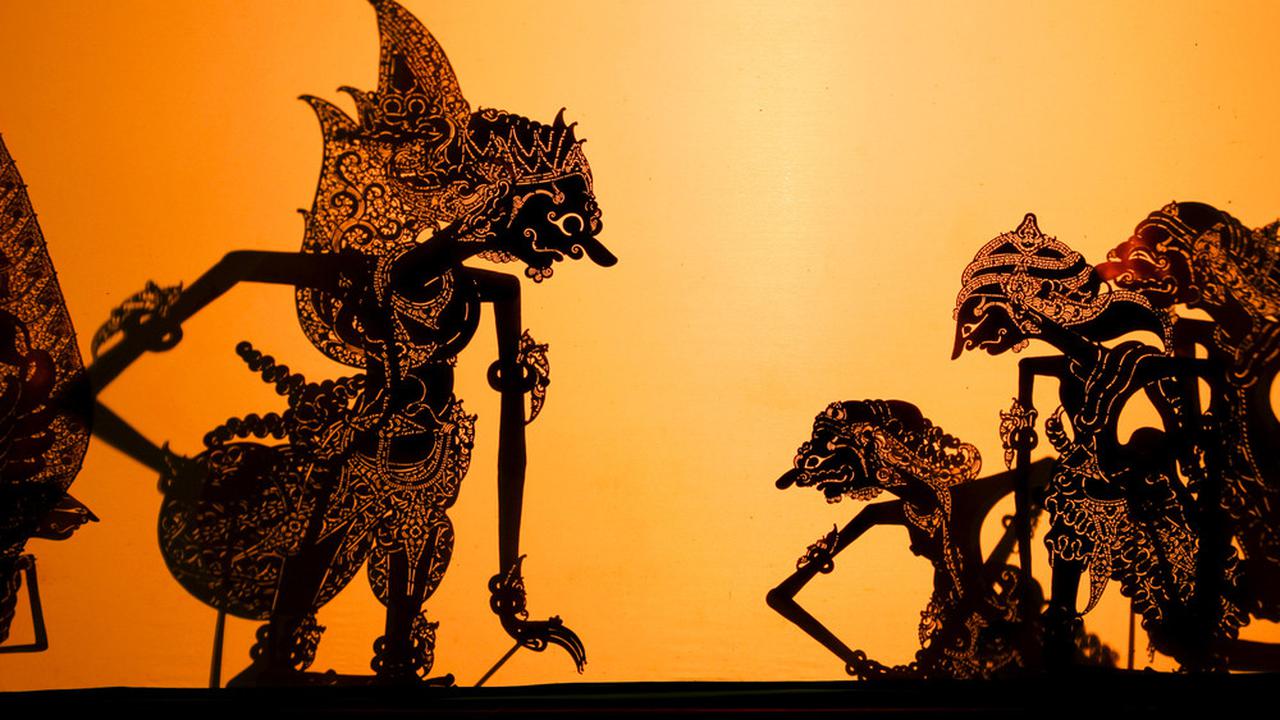
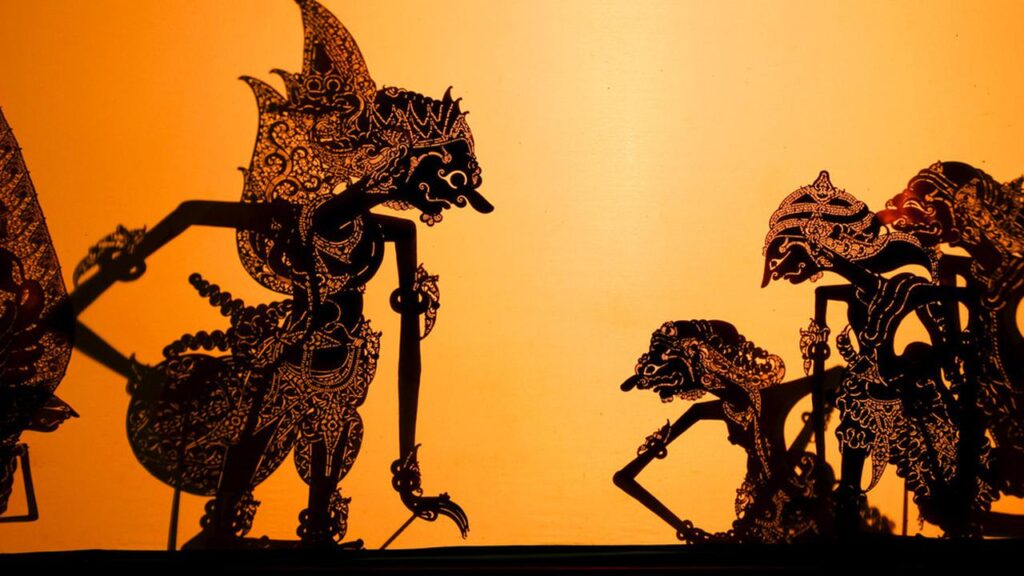
    1. Wayang Kulit: The Shadow of Ancestors (Central Java & Yogyakarta)

    History: Originating over a thousand years ago, Wayang Kulit was once a medium for ancestral worship before being used by religious leaders to spread moral teachings. The Magic: Behind a backlit screen, the Dalang (Master Puppeteer) moves leather puppets carved with needle-thin precision. The Message: It is a cosmic battle between Dharma (good) and Adharma (evil). The shadow represents the human soul, reminding us that what we see in the physical world is often just a reflection of a deeper spiritual reality.

    2. Tari Saman: The Symphony of Unity (Aceh)

    Tari saman Get on Explore - Indonesia Travel
    Tari saman Get on Explore – Indonesia Travel

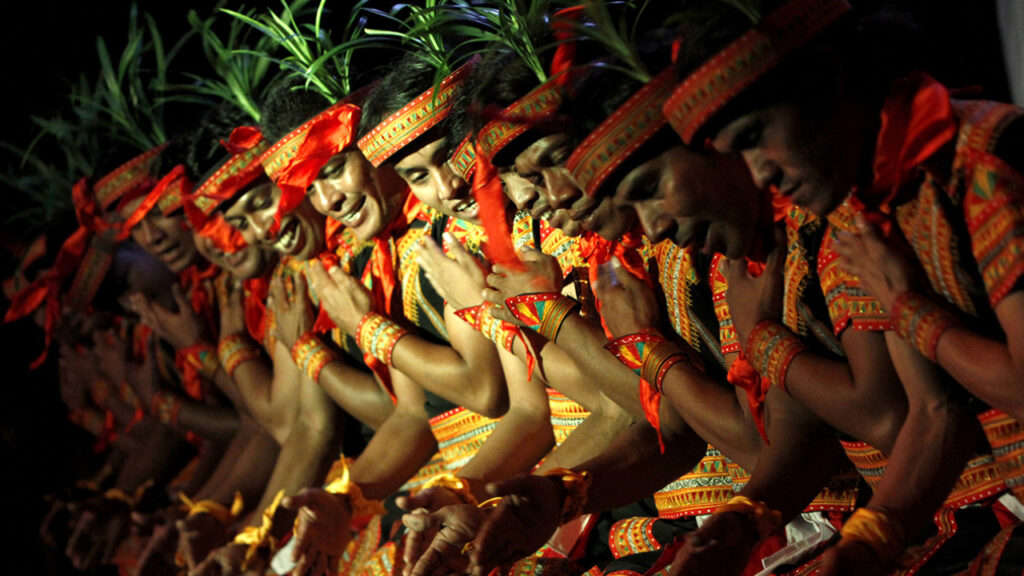
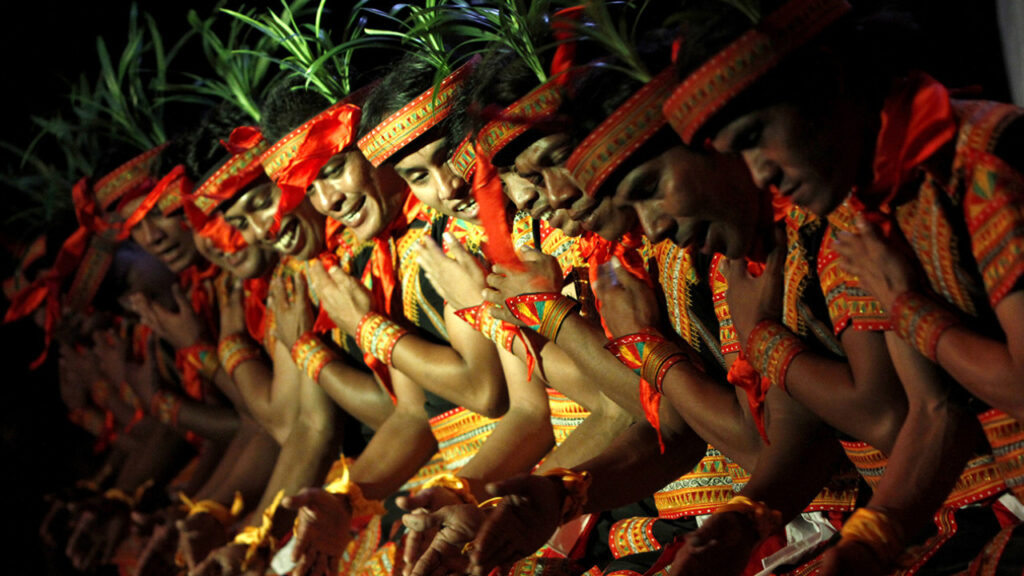
    History: Created by the Gayo people in the 13th century, this was originally a medium for dakwah (religious outreach). The Magic: Unlike most dances, Saman uses no instruments. The music comes from the rhythmic clapping of hands, slapping of chests, and the synchronized chanting of dozens of men. The Message: It is the “Dance of a Thousand Hands.” It symbolizes the strength of the community—if one person loses the rhythm, the whole performance falters. It is a lesson in extreme discipline and brotherhood.

    3. Tari Bedhaya Ketawang: The Dance of the Goddess (Solo)

    Tari Bedhaya Ketawang Get On Explore - Indonesian Travel
    Tari Bedhaya Ketawang Get On Explore – Indonesian Travel

    History: This is the most sacred dance in the Surakarta Sunanate, performed only once a year to commemorate the Sultan’s accession to the throne. The Magic: Nine female dancers move with such agonizing slowness and grace that they appear to be floating. Legend says the Goddess of the South Sea, Nyai Roro Kidul, joins the dancers in spirit. The Message: The nine dancers represent the human orifices or the planets. It is a meditation on the harmony between the king, his people, and the universe.

    4. Tari Reog Ponorogo: The Tiger’s Might (East Java)

    Tari Reog Ponorogo - Get on Explore - Indonesian Travel
    Tari Reog Ponorogo – Get on Explore – Indonesian Travel

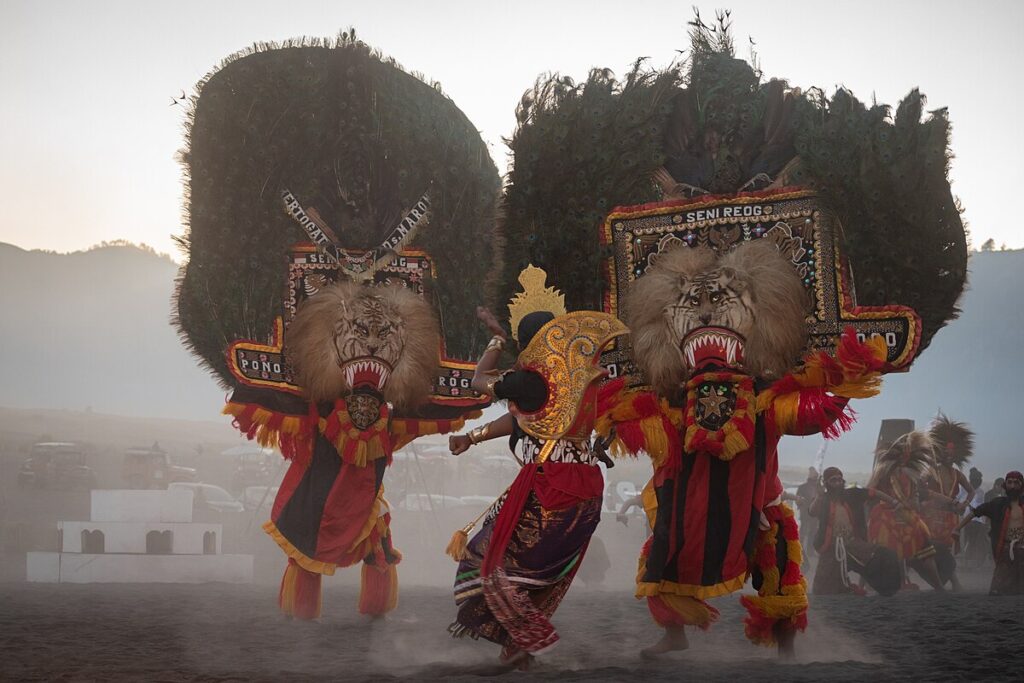
    History: Dating back to the Majapahit era, Reog is a satirical story of a king’s rebellion and his love for a princess. The Magic: The lead dancer carries a Singa Barong mask—a massive 50kg structure of a tiger’s head topped with peacock feathers—using only his teeth. The Message: It is a display of “Manunggaling Kawula Gusti” (the union of servant and master), showcasing that with immense spiritual and physical will, humans can overcome the heaviest of burdens.

    5. Tari Kecak: The Chant of the Monkeys (Bali)

    Tari Kecak Get on Explore - Indonesian Travel
    Tari Kecak Get on Explore – Indonesian Travel

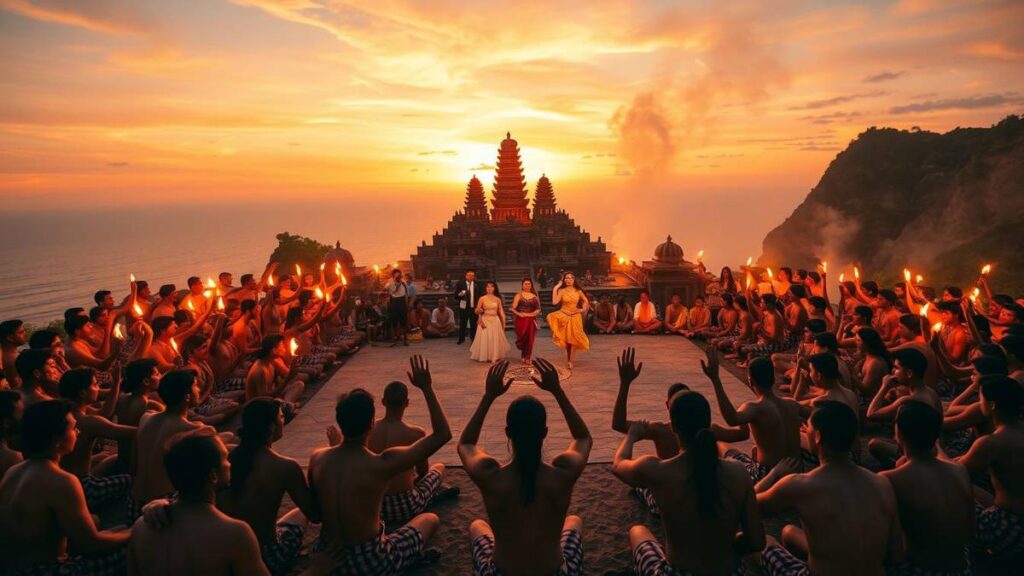
    History: Developed in the 1930s in Uluwatu, this dance adapted ancient Sanghyang (exorcism) rituals into a dramatic retelling of the Ramayana. The Magic: Fifty men sit in concentric circles, their arms swaying like branches, creating a polyphonic wall of sound with the chant “cak-cak-cak.” The Message: It depicts the “Monkey Forest” army aiding Prince Rama. It symbolizes how collective voices and unwavering loyalty can defeat even the most powerful demons.

    6. Tari Piring: The Balance of Life (West Sumatra)

     Tari Piring Get on Explore Indonesian Travel
    Tari Piring Get on Explore Indonesian Travel

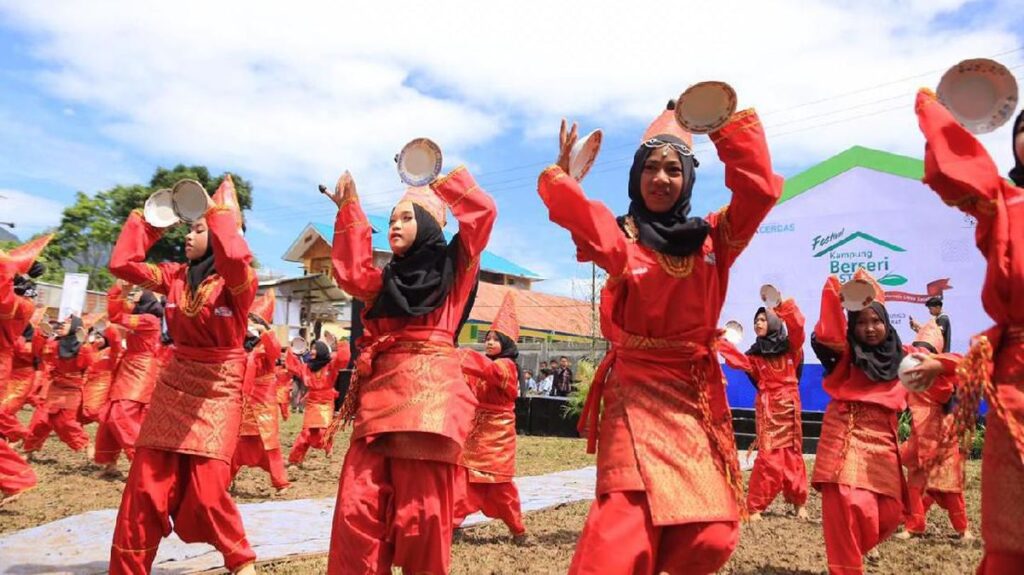
    History: Originally a dance of gratitude to the gods after a successful harvest, it evolved after the arrival of Islam into a performance of skill and celebration. The Magic: Dancers hold ceramic plates in their palms, twirling them at high speeds without dropping them—and often ending the dance by leaping onto broken porcelain. The Message: It reflects the elegance and resilience of the Minangkabau people. It teaches that life is a delicate balancing act; even when things break, you must continue to move with grace.

    7. Angklung: The Harmony of Bamboo (West Java)

    Angklung Get on Explore Indonesian Travel
    Angklung Get on Explore Indonesian Travel

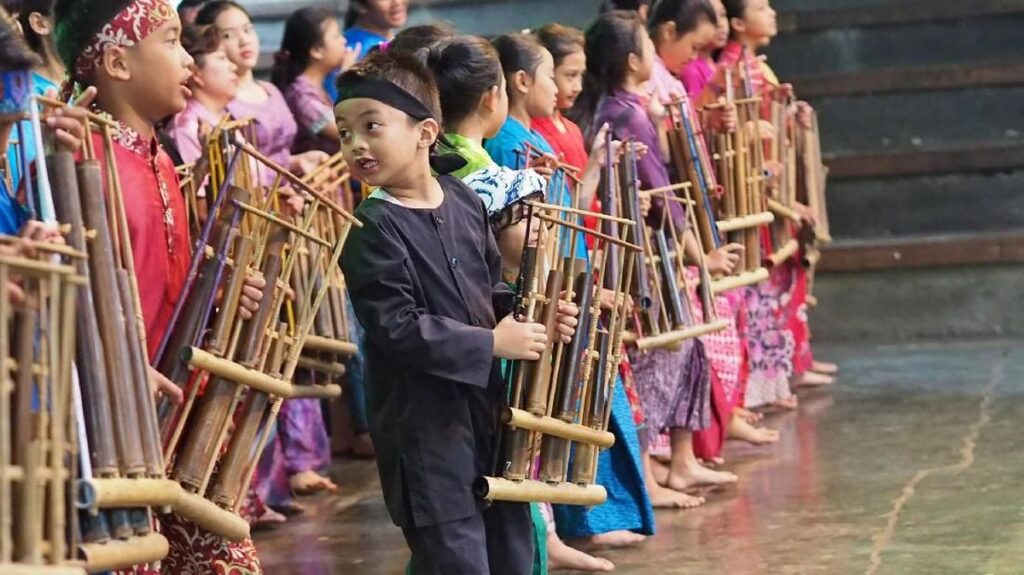
    History: This bamboo instrument dates back to the Sundanese Pajajaran Kingdom, used to honor the Goddess of Rice, Dewi Sri. The Magic: A single Angklung only produces one note. To play a melody, a group must work together in perfect timing. The Message: It is the ultimate symbol of Gotong Royong (mutual cooperation). You cannot create a song alone; you need your neighbor to play their part.

    8. Tari Serimpi: The Four Elements (Yogyakarta)

    Tari Serimpi Get on Explore Indonesian Travel
    Tari Serimpi Get on Explore Indonesian Travel

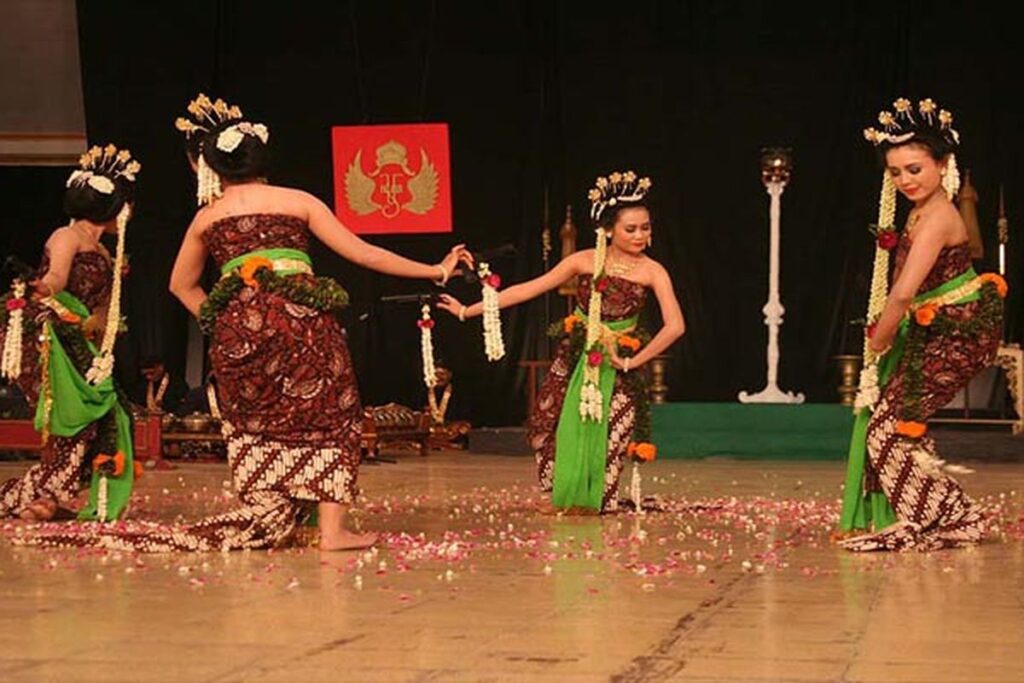
    History: Once reserved strictly for the royal courts, Serimpi was a form of meditative training for noblewomen. The Magic: Four dancers represent the four elements: Fire, Water, Air, and Earth. Their movements are so subtle that they signify the triumph of the soul over worldly passions. The Message: It is a lesson in “Alus”—the Javanese concept of refinement. True power does not come from aggression, but from absolute self-control.

    9. Tari Tor-Tor: The Pulse of the Batak (North Sumatra)

    Tari Tor-Tor Get on Explore indonesian Travel
    Tari Tor-Tor Get on Explore indonesian Travel

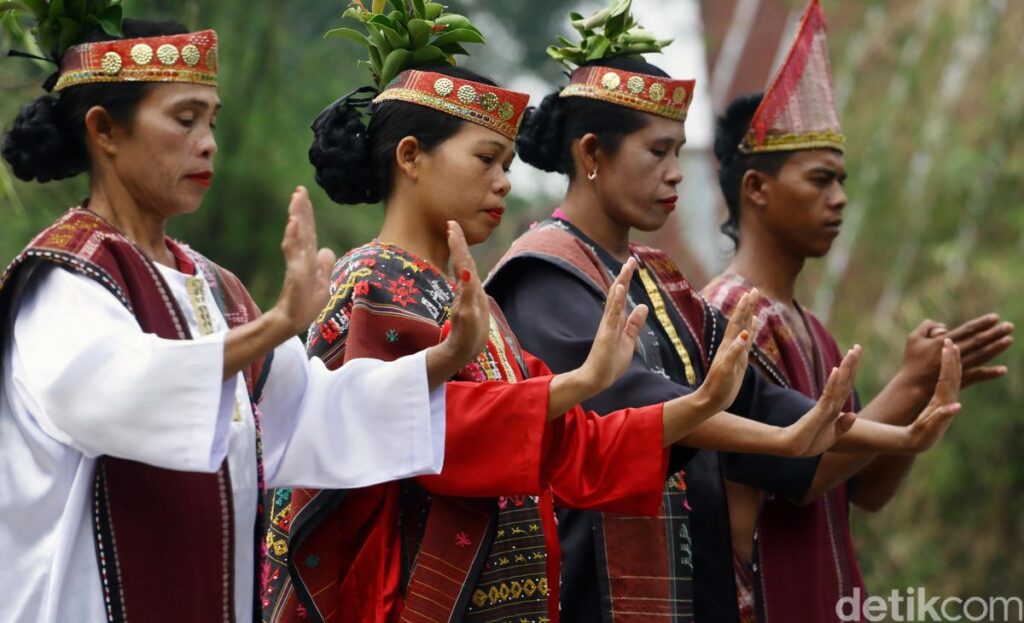
    History: Ancient stone statues in Samosir were once said to “dance” to the Tor-Tor during sacred rituals. The Magic: Dancers wear the Ulos (sacred shawl) and move their hands in a rhythmic, pumping motion to the sound of the Gondang (drums). The Message: It is a physical prayer. The downward movement of the hands symbolizes a request for blessings from ancestors, while the upward movement is a sign of gratitude to the Creator.

    10. Tari Jaipong: The Spirit of the People (West Java)

    Tari Jaipong Get on Explore Indonesian Travel
    Tari Jaipong Get on Explore Indonesian Travel

    History: Born in the 1970s as a modern “folk” dance, it revitalized traditional village rhythms that were almost lost. The Magic: It is sensual, fast, and wildly energetic, featuring complex footwork and hip movements. The Message: Jaipong is the voice of the “rakyat” (the people). It represents joy, freedom of expression, and the unyielding vibrancy of Sundanese life.

    The Art Traveler’s Map: 10 Best Destinations for Culture

    If you want to truly immerse yourself in the creative pulse of the nation, these ten destinations offer the most diverse and concentrated cultural experiences.

    1. Ubud: Where Every Corner Whispers a Story

    Stepping into Ubud feels like walking into an open-air gallery. The “tink-tink” sound of a woodcarver’s chisel against teakwood is the neighborhood’s natural soundtrack. In the evenings, the Ubud Royal Palace transforms into a stage where gold-clad dancers move with a precision that tells a thousand-year-old tale.

    2. Yogyakarta: The Royal Soul of Java

    In Yogyakarta, tradition is lived with regal dignity. Walking through the Kraton (Sultan’s Palace), you’ll catch the distant melody of a bronze Gamelan echoing through the pavilion. It is a city that demands you slow down and listen to the stories etched in its stone and silk.

    3. Solo: The Kingdom of Golden Wax

    The undisputed home of Batik. Walking through Kampung Batik Laweyan is like stepping back in time. The faint smell of melting wax hangs in the humid air as grandmothers teach the next generation the meditative art of Batik Tulis.

    4. Jakarta: The Modern Stage for Ancient Echoes

    At Taman Ismail Marzuki (TIM), the atmosphere is electric with a mix of street theater and contemporary dance. For a nostalgic trip, visit Setu Babakan to see the colorful Ondel-ondel puppets towering over the crowds.

    5. Ponorogo: The Land of the Tiger Kings

    Travel to East Java to witness the raw power of Reog Ponorogo. Seeing the dancers lift the 50kg masks with only their teeth in the middle of a village square is an experience that will leave you speechless.

    6. Banda Aceh: The Rhythm of the Veranda

    Visit the “Veranda of Mecca” to witness the Saman Dance. Watching dozens of men move as one, clapping their chests and shoulders in a blur of motion, is a spiritual experience unlike any other.

    7. Bukittinggi: The Minang Heartland

    Nestled in the highlands of West Sumatra, this is the best place to see the Tari Piring and explore the magnificent Rumah Gadang (traditional houses) with their iconic buffalo-horn roofs.

    8. Bandung: The Bamboo Symphony

    Head to Saung Angklung Udjo. Here, hundreds of children play the Angklung in a massive wooden amphitheater. By the end of the show, you’ll be invited to play along, feeling the vibration of the bamboo in your own hands.

    9. Samosir Island: The Batak Legacy

    Located in the middle of Lake Toba, this island is where you can see the Sigale-gale puppet dance and the rhythmic Tor-Tor. The combination of ancient stone tombs and lake views makes it hauntingly beautiful.

    10. Tana Toraja: The Land of Heavenly Kings

    Known for its elaborate funeral rites, Toraja is where art and death intertwine. The wood-carved Tau-Tau (effigies) and the rhythmic Ma’badong chants offer a deep look into a culture that views life as a journey toward the ancestors.


    The “Insider” Guide: Tips for Cultured Travelers

    • Cash is Queen: Small bills (Rp2,000 to Rp20,000) are essential for tipping street performers or buying handmade crafts at local markets.
    • The Right Hand Rule: Always use your right hand when paying or receiving a gift. The left is considered “unclean.”
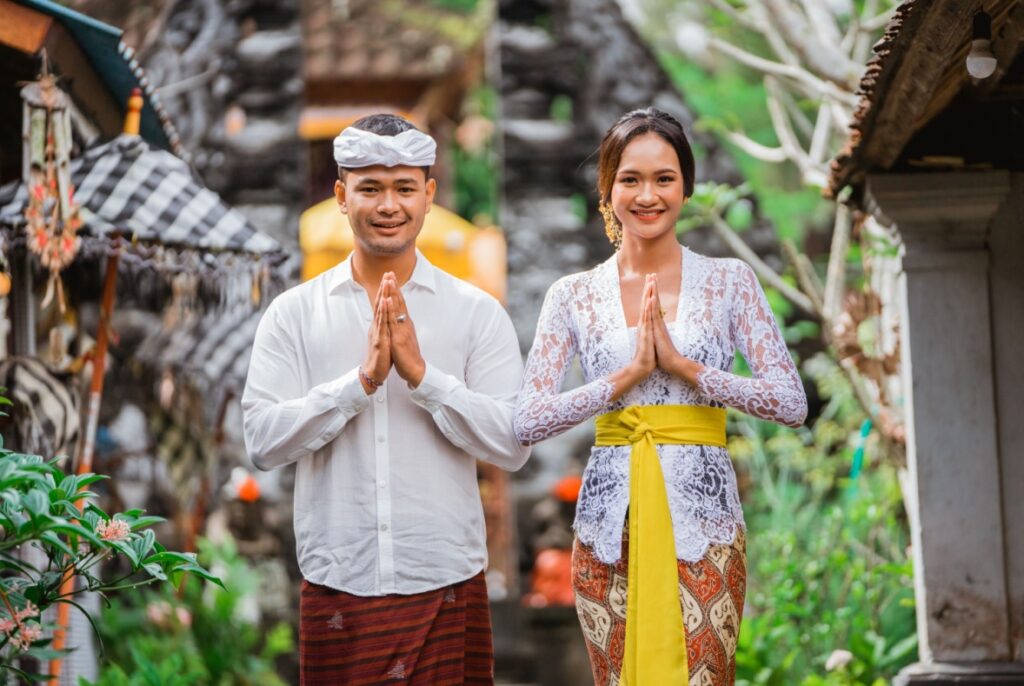
    • Dress the Part: Carry a light sarong. Whether it’s a temple in Bali or a palace in Java, modesty is the highest form of respect.
    • Timing is Everything: Many festivals follow lunar calendars. Ask a local or your guide for “Hari Pasaran” or temple anniversary dates.

    Ready to Explore?

    Indonesia is vast, and its best cultural secrets are often hidden in plain sight. If you want to experience these traditions without the stress of planning, we recommend Get on Explore.

    As a specialized travel organizer for both international and local guests, Get on Explore curates authentic cultural journeys that take you beyond the typical tourist traps. From private Batik workshops to front-row seats at a hidden village Reog festival, they ensure your trip is as meaningful as it is memorable.

  • Ethical Cultural Tourism in Indonesia: A Traveler’s Guide to Respectful Exploration

    Ethical Cultural Tourism in Indonesia: A Traveler’s Guide to Respectful Exploration

    Get on Explore – Indonesia is more than just a pin on a map or a collection of “Instagrammable” backdrops. With over 17,000 islands and 1,300 ethnic groups, it is a living, breathing mosaic of traditions. However, as the world becomes more connected, the footprint we leave behind matters more than ever.

    Ethical cultural tourism in Indonesia isn’t about just visiting; it’s about engaging in a way that preserves the sanctity of the local heritage and ensures that the communities you visit actually benefit from your presence.


    Why Ethics Matter in the Archipelago

    When we talk about “Ethical Tourism,” we are looking at three main pillars: Economic Fairness, Environmental Protection, and Cultural Integrity.

    In Indonesia, culture is deeply intertwined with daily life. A ritual isn’t a performance for tourists; it’s a sacred duty. When travelers approach these experiences with an ethical mindset, it transforms a standard vacation into a profound exchange of human connection.

    The Impact of Your Visit

    • Support Local Artisans: Buying a mass-produced souvenir from a mall is easy, but buying a hand-woven Tenun cloth directly from a weaver in Flores keeps an ancient craft alive.
    • Preserve Traditions: By respecting local “Adat” (traditional laws), you help ensure these customs aren’t diluted or “Disney-fied” for the sake of tourism.


    Mastering the “Indonesian Way”: A Lesson in Local Etiquette

    To truly practice ethical cultural tourism, you need to understand the social fabric of the country. Indonesians are famously known as some of the friendliest people on earth, but their kindness is rooted in a specific set of social codes.

    Here is how you can show respect (and earn a genuine smile in return):

    1. The Power of “Senyum, Salam, Sapa”

    In Indonesia, there is a core philosophy known as 3S: Senyum (Smile), Salam (Greeting), and Sapa (Speaking/Acknowledging).

    • The Smile: It’s the universal icebreaker. Even if you don’t speak the language, a warm smile goes a long way.
    • The Greeting: A slight nod or a polite “Permisi” (excuse me) when passing people is highly valued.

    2. The “Nunduk” (The Polite Lean)

    If you walk past a group of elders or people sitting down, you might notice locals lowering their shoulders and slightly bending their bodies forward while extending one hand downward. This is called Nunduk. It’s a physical manifestation of humility and respect. Doing this as a foreigner is the ultimate “pro-traveler” move that shows you truly understand the culture.

    3. Dress for the Occasion

    Indonesia is home to the world’s largest Muslim population, alongside vibrant Hindu, Christian, and Buddhist communities.

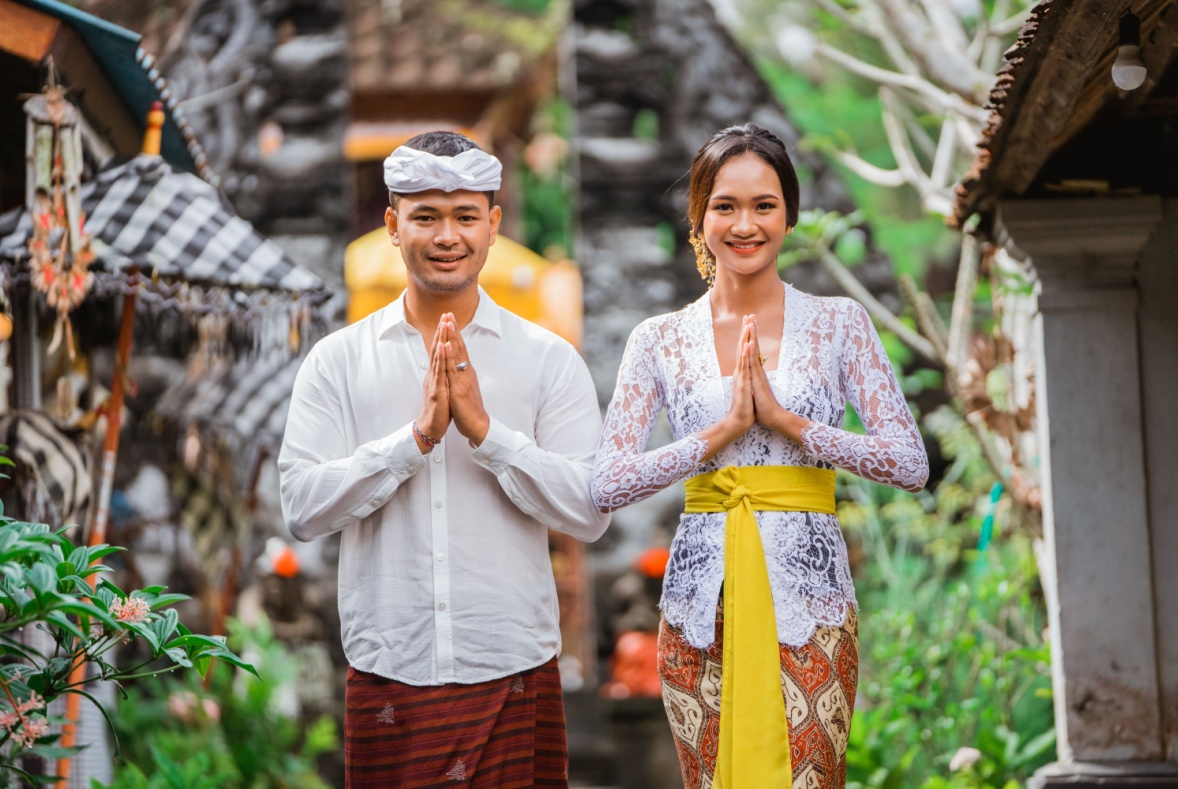
    • Temples and Mosques: Always cover your shoulders and knees. Many Balinese temples require a Sarong and sash.
    • In Public: While beachwear is fine for the shore, wearing a bikini in a village or a local market is considered disrespectful. Aim for “Modest Chic.”

    4. The Right Hand Rule

    Always use your right hand to give or receive items, and especially for eating. The left hand is traditionally associated with personal hygiene and is considered “unclean” for social interactions.


    Ethical Travel Spotlight: Regional Nuances

    RegionCultural FocusEthical Tip
    BaliHindu CeremoniesDo not stand higher than the priest or use flash photography during prayers.
    YogyakartaJavanese RoyaltySpeak in low tones and avoid pointing your feet at people or sacred objects.
    TorajaFuneral RitesThese are somber yet celebratory events; always ask permission before taking photos of the deceased’s family.
    LombokSasak VillagesAlways accept the offered coffee or tea (even a sip) to show appreciation for their hospitality.

    Beyond the “Selfie”: How to Be a Better Guest

    Ethical cultural tourism in Indonesia means moving beyond the “I was here” photo op.

    Ask Before You Click

    It’s easy to see a colorful ritual and immediately reach for your camera. Stop. Observe first. Ask a local guide or the person involved, “Boleh foto?” (May I take a photo?). It builds a bridge rather than a wall.

    The “Overtourism” Reality

    Places like the Ubud Monkey Forest or Borobudur are iconic, but they suffer from heavy foot traffic. Consider visiting “secondary” cultural sites. Instead of just Bali, explore the cultural richness of Sumba, the megalithic villages of Nias, or the spiritual quietude of Banda Neira.


    How to Support the Local Economy Ethically

    1. Eat Local: Skip the global fast-food chains. Visit a Warung (family-run eatery). Not only is the food better, but your money goes directly into a family’s pocket.
    2. Hire Local Guides: A guide from the community doesn’t just show you the sights; they tell you the stories and the “why” behind the traditions.
    3. Fair Bargaining: While haggling is part of the culture in markets, don’t squeeze the vendor over a few cents. That small change might mean a lot more to them than it does to your travel budget.

    The Environmental Connection

    You cannot separate culture from the land in Indonesia. Many indigenous groups, like the Baduy in Banten or the Dayak in Kalimantan, view nature as sacred.

    • Waste Management: Indonesia is currently battling a plastic crisis. Carry a reusable water bottle and avoid single-use plastics.
    • Animal Welfare: Avoid “cultural” shows that involve mistreated animals. Ethical tourism means respecting all living beings.

    7-Day Ethical Itinerary: The Cultural Heart of Bali

    Destinasi Bali Get on Explore
    Destinasi Bali Get on Explore

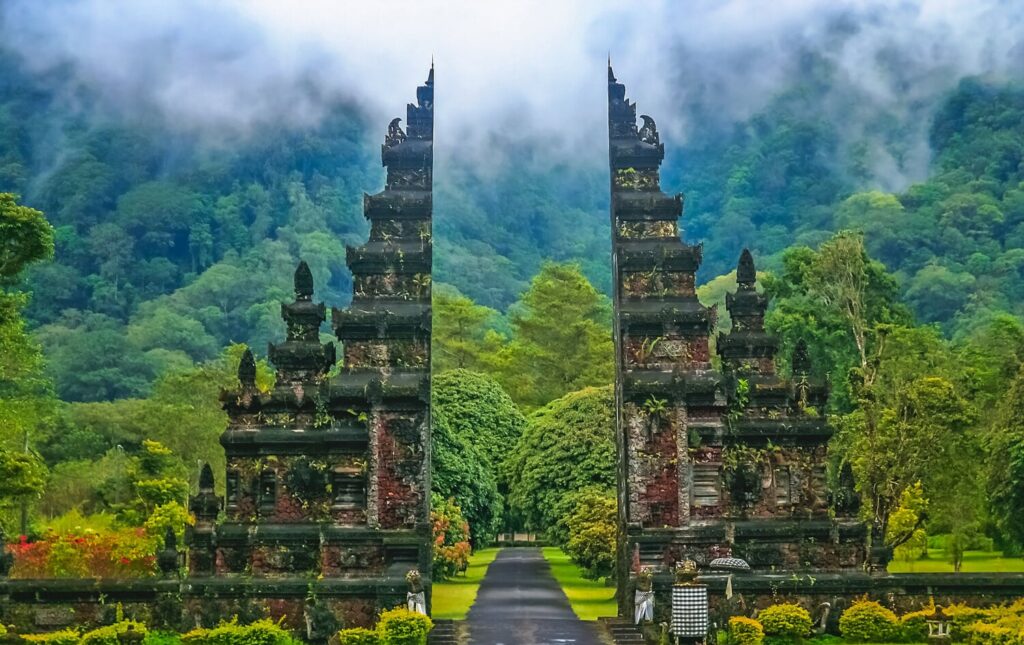
    While many see Bali as a party destination, its heart lies in its villages and spiritual practices. This 7-day itinerary focuses on Regenerative Tourism—leaving the island better than you found it.

    Day 1: Arrival & Mindful Grounding

    • Arrive in Sanur: Opt for this quieter coastal town over the high-traffic areas.
    • Evening: Attend a local beach cleaning initiative or a briefing on Balinese waste management issues.
    • Ethical Tip: Buy a reusable “Refill My Bottle” flask to avoid single-use plastics.

    Day 2: The Art of Offering (Canang Sari)

    • Location: Sidemen Valley.
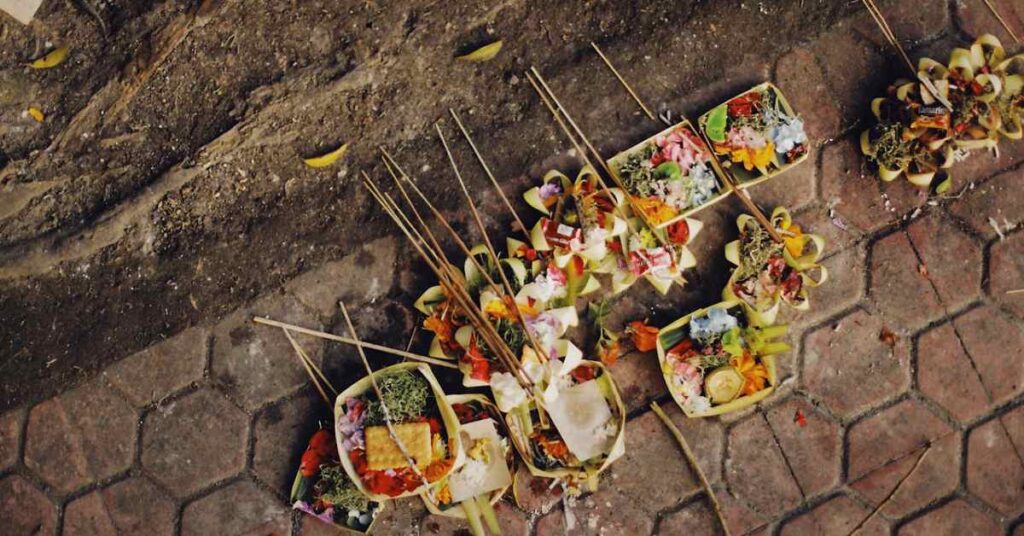
    • Activity: Join a local family to learn the meaning behind Canang Sari (daily offerings). Learn why they use organic materials like palm leaves and flowers.
    • Support: Pay a fair workshop fee that goes directly to the family.

    Day 3: Subak & Sustainable Farming

    • Location: Jatiluwih Rice Terraces.
    • Activity: Walk the fields with a local farmer. Learn about Subak, the ancient democratic water-sharing system.
    • Lunch: Eat at a Warung (family-run stall) that sources ingredients from the surrounding fields.

    Day 4: Ancient Crafts in East Bali

    • Location: Tenganan Pegringsingan (Ancient Aga Village).
    • Activity: Observe the creation of Geringsing—a rare double-ikat fabric.
    • Ethical Tip: Buy directly from the weaver. Ask about the natural dyes used (Indigo, Morinda) to understand the environmental connection.

    Day 5: Spiritual Literacy & Water Purification

    • Location: Tirta Empul or a lesser-known water temple.
    • Activity: Participate in Melukat (purification ritual) guided by a local priest who explains the philosophy of Tri Hita Karana (harmony between humans, nature, and the divine).
    • Rule: Follow all temple dress codes strictly.

    Day 6: Culinary Heritage

    • Location: Ubud Peripheral Villages.
    • Activity: Take a traditional cooking class using a wood-fired stove. Focus on “Slow Food” traditions.
    • Interaction: Discuss with the hosts how tourism has changed their village over the last decade.

    Day 7: Marine Conservation & Departure

    • Location: Pemuteran (North Bali).
    • Activity: Visit the Biorock reef restoration project. Learn how the community saved their coral reefs to sustain local fishing and tourism.
    • Final Reflection: Write in your journal about one local person who changed your perspective.

    How to Be a Better Guest: The “Pro-Traveler” Checklist

    ActionWhy it Matters
    Ask Before SnappingRespects the privacy of locals during sacred rituals.
    Hire Local GuidesEnsures the economic benefits of tourism stay in the community.
    Fair BargainingA few cents might not mean much to you, but it’s a meal for a vendor.
    Eat “Kaki Lima”Street food supports micro-entrepreneurs and offers the most authentic flavors.


    7-Day Ethical Itinerary: The Living Traditions of West & East Sumba

    This itinerary is designed to minimize environmental impact while maximizing the economic benefit to the local Sumbanese people.

    Day 1: Arrival & The “Guest Book” Ritual

    • Arrive in Tambolaka (West Sumba): Check into a locally-owned eco-lodge.
    • Activity: Visit a nearby village to sign the guest book and provide a small “cultural donation.”
    • Ethical Tip: Instead of giving candy to children (which causes dental issues in areas with low care), donate school supplies to the village elder.

    Day 2: The Architecture of Spirits

    • Location: Ratenggaro Village.
    • Activity: Marvel at the tallest traditional roofs in Sumba. Engage with a local guide to learn how these houses are built without a single nail.
    • Respect: Ask permission before photographing the megalithic tombs; they are the resting places of beloved ancestors.

    Day 3: The Blue Mirror of Weekuri

    • Location: Weekuri Lagoon.
    • Activity: Swim in the saltwater lagoon.
    • Ethical Tip: Avoid chemical sunscreens that harm the delicate limestone ecosystem. Use “reef-safe” alternatives. Buy fresh coconuts from the local vendors lining the entrance to support their livelihoods.

    Day 4: The Sacred Thread (Ikat Weaving)

    • Location: Lamboya or Wanokaka.
    • Activity: Spend the day with a weaving collective. Sumba Ikat can take months or even years to complete using natural dyes from roots and leaves.
    • Support: Purchase a piece of fabric. It is an investment in a dying art form.

    Day 5: Crossing to the East (Waingapu)

    • Travel: Drive across the rolling “Lendongara” hills.
    • Activity: Stop at local markets to buy “Kopi Sumba” (Sumba Coffee).
    • Interaction: Use your Salam and Sapa at the market. A simple “Berapa harganya, Pak/Bu?” (How much is this?) goes a long way.

    Day 6: The Savanna & The Sea

    • Location: Puru Kambera & Wairinding Hills.
    • Activity: Witness the wild horses of Sumba.
    • Ethical Tip: Keep a respectful distance from the horses. They are central to Sumba’s identity and are not “props” for selfies.

    Day 7: Tanggedu Waterfall & Reflection

    • Activity: A moderate trek to Tanggedu Waterfall.
    • Conservation: Ensure you carry all your trash back to the city. Sumba has limited waste processing infrastructure.
    • Departure: Head to Waingapu Airport for your flight out, carrying stories instead of just “content.”

    Why Sumba Requires an Ethical Guide

    Ethical ChallengeThe Solution
    Language BarrierMany elders only speak the local dialect. A guide translates the meaning, not just the words.
    Access to VillagesSome villages are “closed” to the public unless you are introduced by a trusted partner.
    Fair PayEnsuring your “entrance fees” actually reach the community and aren’t pocketed by middlemen.

    Mastering Javanese Etiquette (E-A-T Guide)

    The Javanese culture is famously subtle. To show Expertise and Trustworthiness as a traveler, you should embrace these specific local “hidden” codes:

    1. The “Andhap Asor” (Humility)

    In Yogyakarta, high social value is placed on humility.

    • The Gesture: When walking in front of people, especially elders or palace guards (Abdi Dalem), perform a slight Nunduk (bow) and extend your right hand downward. This signals that you do not see yourself as “above” them.
    • The Voice: Speak in low, calm tones. Raising your voice is seen as a loss of self-control and is highly disrespectful.

    2. Sacred Stones and Proper Attire

    The temples of Borobudur and Prambanan are not just monuments; they are active places of pilgrimage.

    • Dress Code: Always cover your shoulders and knees. While some temples provide a free Sarong, arriving in modest dress (long linen pants or maxi skirts) shows proactive respect.
    • Physical Respect: Never sit or climb on the stupas or temple walls. These stones have survived over a millennium; our oils and weight cause irreparable micro-damage.

    3. The Tenggerese “Salam”

    At Mount Bromo, you are in the land of the Tenggerese people, the last Hindu community in Java. They view Bromo as a sacred altar.

    • The Greeting: Use your right hand for everything—from paying your Jeep driver to receiving a cup of hot Wedang Ronde (ginger soup).


    7-Day Ethical Itinerary: The Royal & Volcanic Route

    This route connects the intellectual capital of Yogyakarta with the raw natural power of East Java, focusing on community-led experiences.

    Day 1: The Kraton & Water Castle

    • Location: Yogyakarta City.
    • Activity: Visit the Kraton (Sultan’s Palace). Observe the Abdi Dalem (loyal servants) who serve not for money, but for honor.
    • Ethical Tip: Hire one of the palace guides; they are usually retired teachers or locals with deep historical knowledge.

    Day 2: The Path of the Buddha (Borobudur)

    • Location: Magelang (1-hour drive).
    • Activity: Visit Borobudur at sunrise.
    • Ethical Change: Use the official “Upasaka” sandals provided by the park to protect the ancient stones from friction.
    • Community: Spend the afternoon in Candirejo Village for a horse-cart tour to see how locals harvest chili and vanilla.

    Day 3: The Hindu Epics (Prambanan)

    • Location: Prambanan Plain.
    • Activity: Explore the towering spires of Prambanan. In the evening, watch the Ramayana Ballet—a performance that employs hundreds of local dancers and musicians.
    • Ethical Tip: Choose the open-air theater to see the temple as the backdrop.

    Day 4: The Great Java Overland

    • Activity: Take the Executive Train from Yogyakarta to Jombang or Probolinggo.
    • Why: Taking the train is more eco-friendly than a private 10-hour car journey and offers a front-row seat to the stunning Javanese countryside.
    • Evening: Arrive in Cemoro Lawang, the village on the edge of the Bromo caldera.
    Day 5: The Sacred Caldera of Bromo

    • Activity: 3:00 AM Jeep journey to King Kong Hill for the sunrise.
    • Ethical Choice: Instead of taking a horse to the crater rim, hike across the Sea of Sand. It reduces animal labor and gives you a much deeper connection to the “Whispering Sands.”
    • Respect: If you see a local Tenggerese person making an offering at the Pura Luhur Poten temple, watch from a distance and keep your camera away.

    Day 6: The Madakaripura Hidden Falls

    • Location: Near Bromo.
    • Activity: Trek to Madakaripura Waterfall, where the legendary Majapahit general Gajah Mada is said to have meditated.
    • Support: Use local “Ojek” (motorbike taxi) drivers from the village; this is their primary source of income.

    Day 7: Batik Heritage & Departure

    • Location: Back to Surabaya or Malang.
    • Activity: Visit a Batik Tulis (hand-drawn batik) workshop.
    • Ethical Purchase: A genuine hand-drawn batik can take weeks to make. Paying a premium price ensures the survival of this UNESCO-recognized art form.

    The “Green & Gracious” Traveler’s Checklist

    ActionWhy it Matters in Java
    Use “Maturnuwun”This is “Thank you” in Javanese. Using local dialect shows you aren’t just a passerby.
    Avoid Public AffectionJava is conservative. Keep hugging and kissing for private spaces to avoid local discomfort.
    No “Selfie” ObstructionIn temples, don’t block the path of locals who are there to pray.
    Mind Your FeetWhen sitting on the floor (Lesehan), never point the soles of your feet at someone or at sacred objects.

    Ready to Experience the Real Indonesia?

    Navigating the complexities of a multi-cultural archipelago can be daunting. If you want to ensure your journey is not only memorable but also deeply respectful and impactful, you need a partner who knows the land.

    We highly recommend Get on Explore.

    As a premier travel organizer specializing in both local and international guests, Get on Explore is dedicated to the principles of ethical cultural tourism in Indonesia. They don’t just take you to the landmarks; they introduce you to the soul of the country. From curated village stays to respectful guided tours of sacred sites, they ensure that your visit supports the community and preserves the beauty of Indonesia for generations to come.