Category: Uncategorized

  • Conquer the Dragon: The Ultimate Guide to Trekking Mount Rinjani (Tips from the Pros)

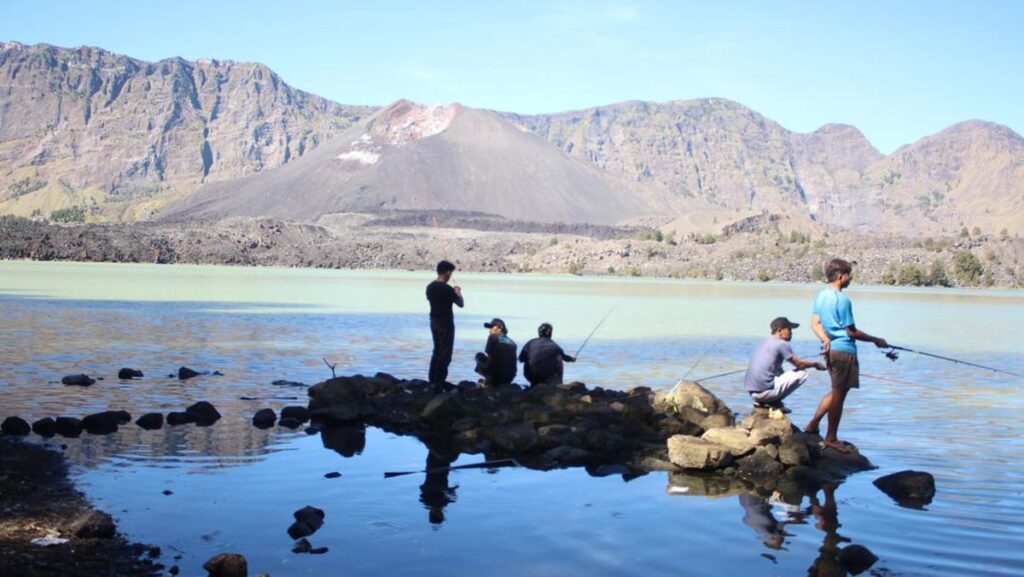
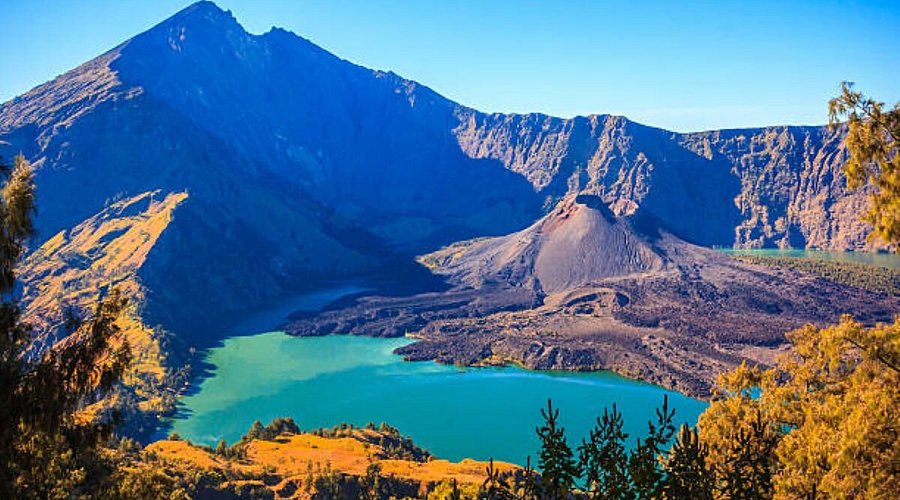
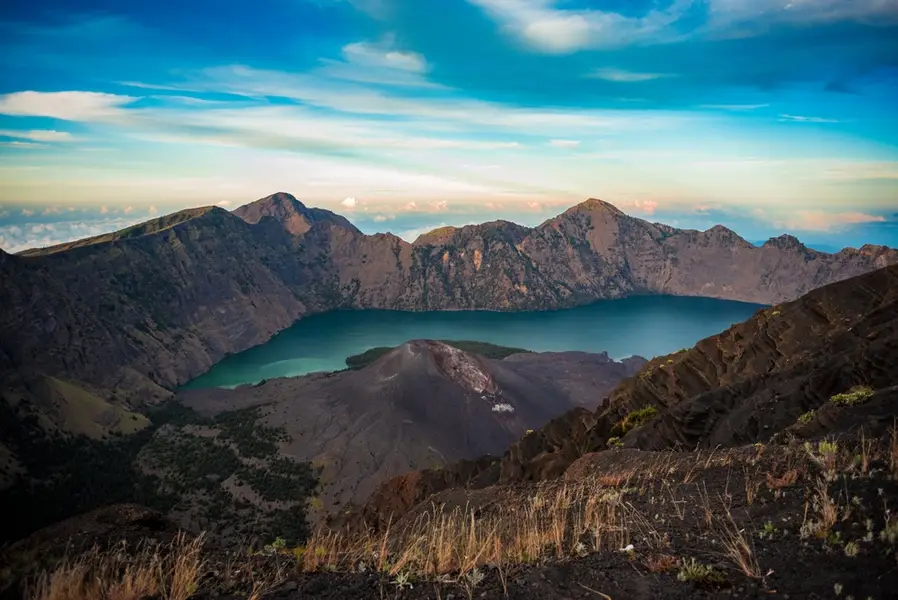
    Get On Explore – So, you’ve seen the photos—the turquoise waters of Segara Anak nestled inside a massive volcanic caldera, the clouds swirling beneath the jagged 3,726-meter summit, and the emerald slopes of Lombok stretching toward the sea. Now, you’re thinking about doing it yourself.

    Trekking Mount Rinjani isn’t just a hike; it’s a rite of passage for adventurers in Southeast Asia. It’s grueling, dusty, breathtaking, and soul-stirring all at once. But before you lace up those boots, you need more than just a “can-do” attitude. You need the right strategy.

    Here is your comprehensive guide to Trekking Mount Rinjani tips, packed with insider secrets to help you reach the top without losing your mind (or your toenails).


    1. Timing is Everything: When to Go

    The Rinjani National Park isn’t open year-round. Because of the heavy monsoon season in Indonesia, the park typically closes from January 1st to late March/early April due to extreme weather and landslides.

    • April – June: The landscape is lush and incredibly green. It’s arguably the most beautiful time, though there’s still a slight chance of rain.
    • July – September: The peak season. The weather is stable and dry, but the trails are crowded and it gets very dusty.
    • October – December: The transition to the wet season. Fewer people, but the clouds can block those iconic views.

    Insider Tip: If you can, aim for a Tuesday or Wednesday start. Most local hikers and weekend warriors from Bali or Java start on Fridays, making the campsites feel like a crowded festival.


    2. Choosing Your Route: Senaru vs. Sembalun

    There are two main gateways to the mountain, and choosing the right one depends on your fitness and what you want to see.

    • Sembalun (The Savannah Route): Most summit attempts start here. You begin at a higher altitude (around 1,100m) in open grasslands. It’s hot as an oven during the day, but the incline is more gradual until you hit the “7 Hills of Regret.”
    • Senaru (The Jungle Route): Typically the exit point for the 3D2N trek. It’s a steep climb through dense tropical rainforest. It offers more shade but involves a lot of big steps over tree roots.

    The “Pro” Strategy: Start in Sembalun and finish in Senaru. This allows you to tackle the summit while your legs are still fresh on Day 2, and you get the rewarding jungle shade on the final descent when the sun is scorching.


    3. Physical Prep: It’s Not a Walk in the Park

    Don’t let the Instagram influencers fool you—Rinjani is tough. The final summit push is “two steps forward, one step back” in loose volcanic scree.

    • Focus on Cardio: Running or cycling will help your lungs handle the thin air.
    • Leg Day is Every Day: Squats, lunges, and calf raises are your best friends.
    • The Secret Weapon: Go hiking in the boots you plan to wear. Breaking them in on the mountain is a recipe for blisters and misery.

    4. Packing List: The Essentials and the “Pro” Extras

    Your porter will carry the tent, sleeping bag, and food. Your daypack should stay under 5-7kg.

    The Basics:

    • High-quality headlamp: Essential for the 2:00 AM summit push.
    • Layers: It might be 30°C at the base, but it can drop to 0°C at the summit. Bring a thermal base layer, a fleece, and a windproof jacket.
    • Trekking Poles: These are non-negotiable. Your knees will thank you during the 2,000-meter descent.

    The “Insider” Gear:

    • Buff/Face Mask: The dust on the Sembalun side is intense. A buff keeps you from coughing up volcanic ash for three days.
    • Small Denomination Cash (IDR): You’ll want to buy a cold Bintang or a Pocari Sweat from the “warungs” (small stalls) found unexpectedly high up the mountain. They rarely have change for 100k notes.
    • Wet Wipes & Sanitizer: There are no showers. A “wet wipe bath” is the height of luxury at 2,600 meters.

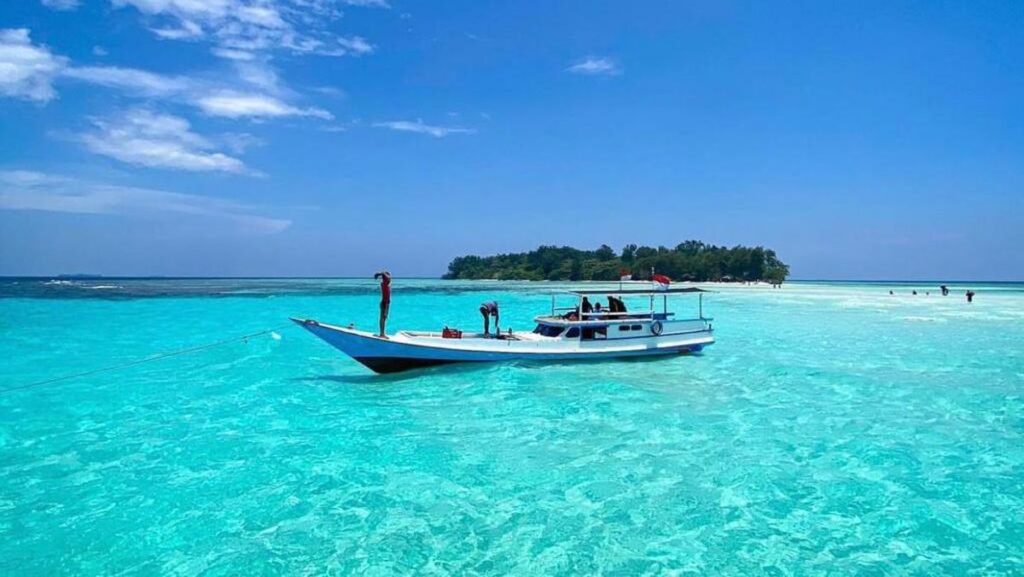
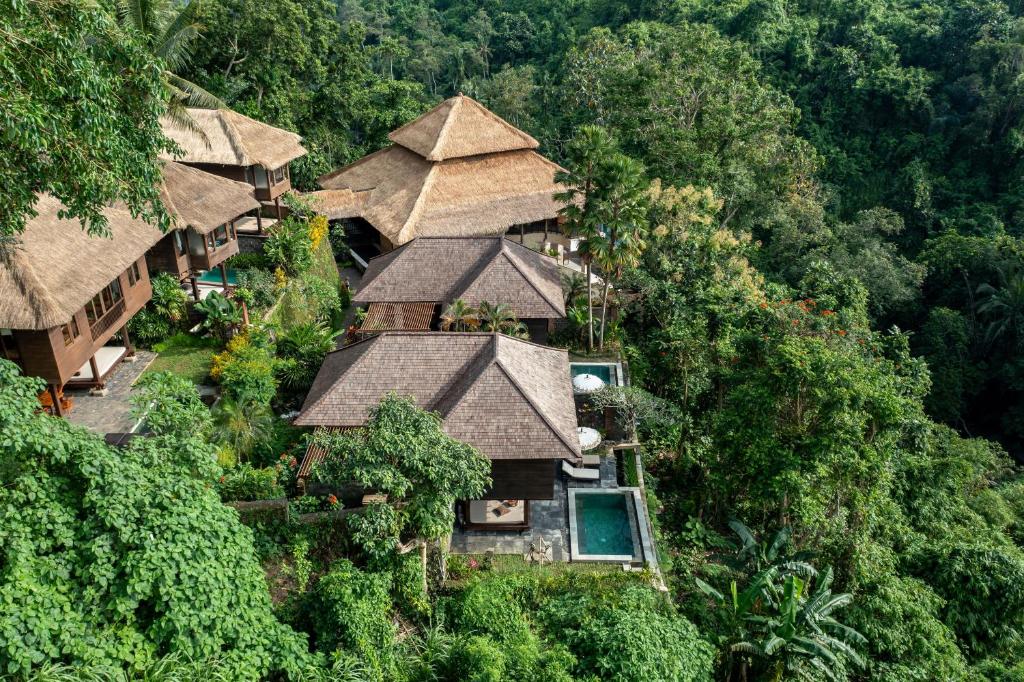
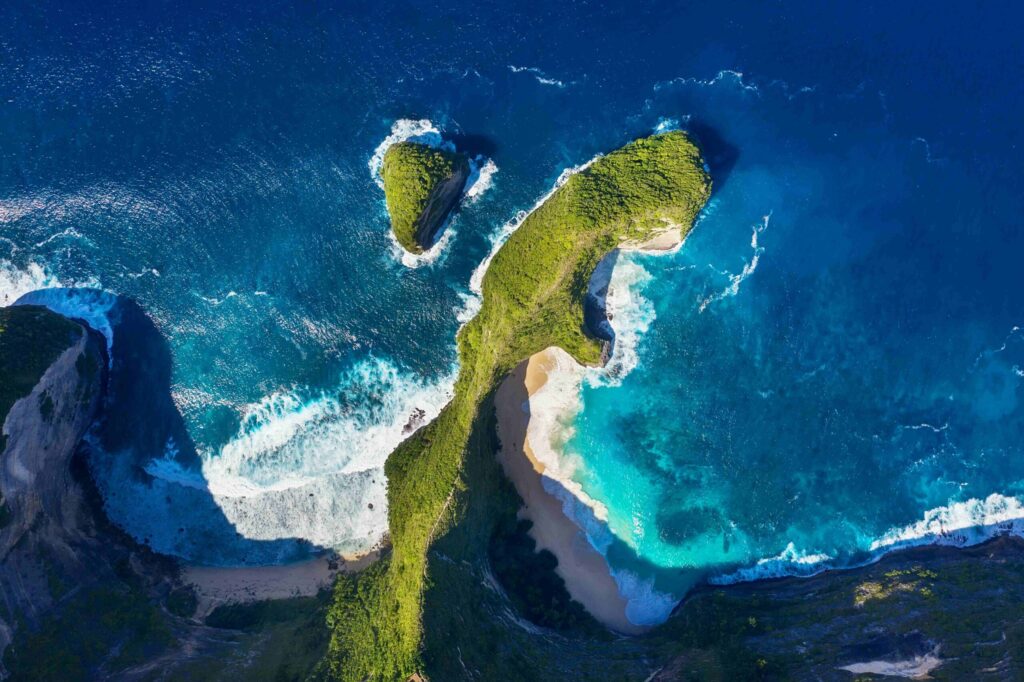
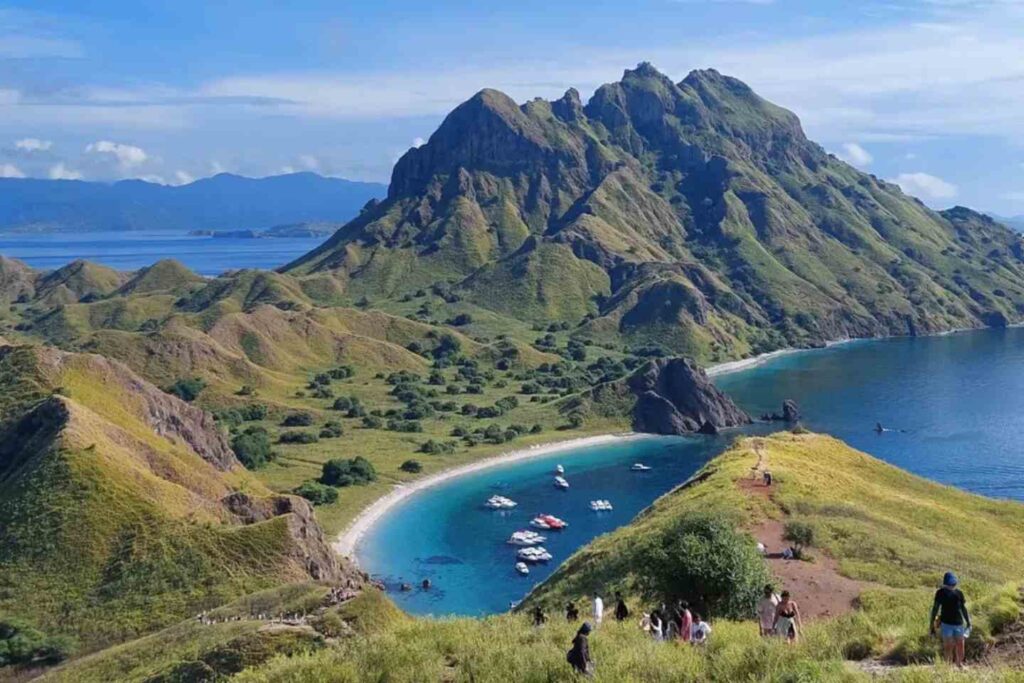
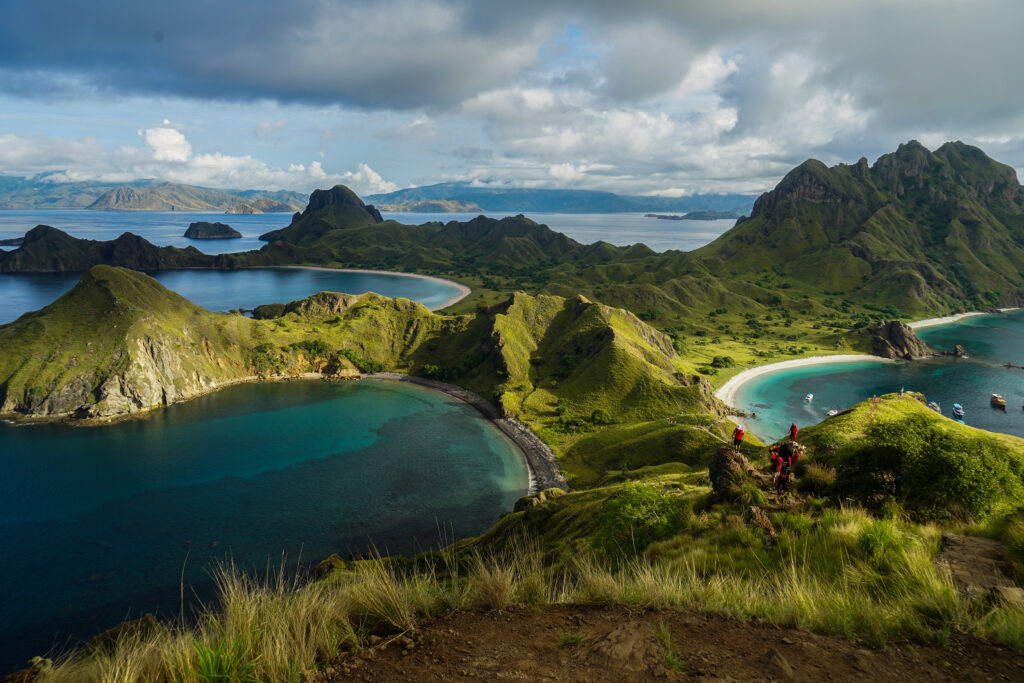
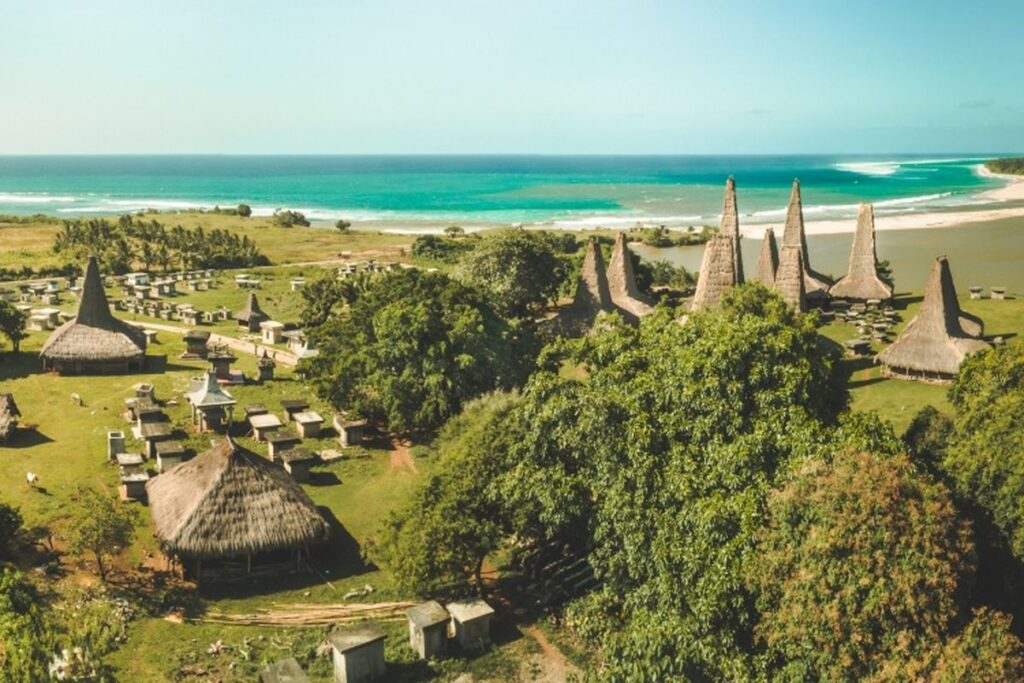
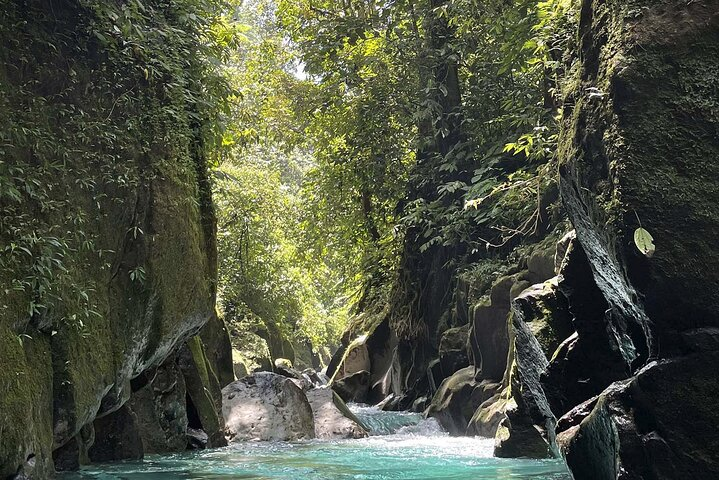
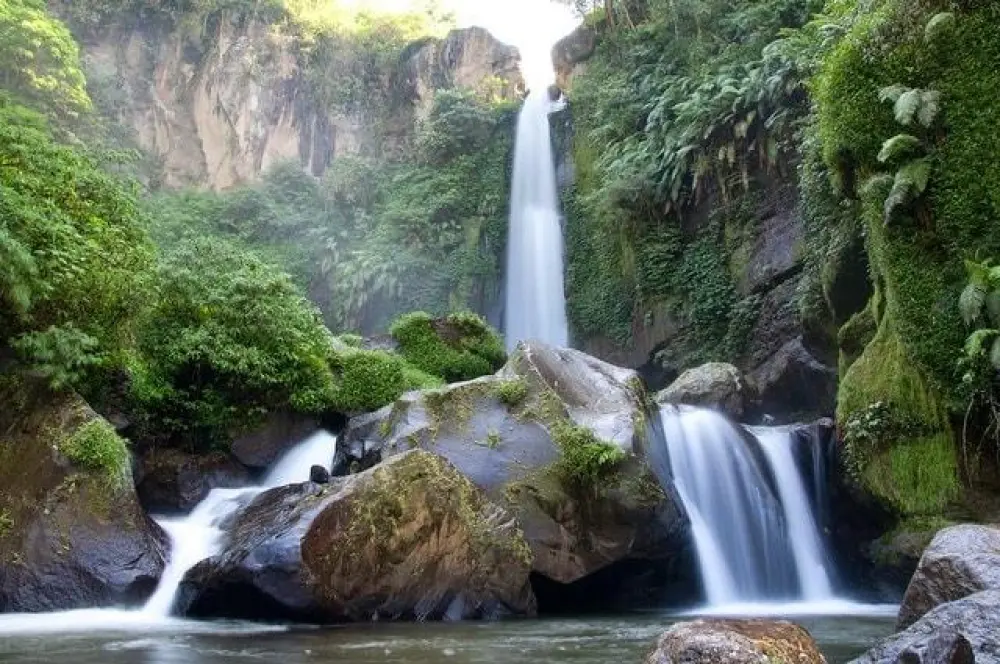
    5. Visual Inspiration: What Awaits You

    6. The “Insider” Rules of the Trail

    To have the best experience, you need to know the stuff that isn’t in the official brochures:

    • Protect Your Toenails: When descending, tie your laces extra tight near the ankle to prevent your foot from sliding forward. Many hikers lose toenails because they hit the front of their boots for six hours straight.
    • The “Monkey” Warning: The macaques at the crater rim are professional thieves. Do not leave your bags open, and never—ever—feed them. They will find your stash of Oreos in seconds.
    • Hydration Strategy: Don’t just drink water; use electrolyte powder. The tropical heat combined with the altitude can lead to dehydration faster than you realize.
    • Respect the Mountain: Rinjani is a sacred site for the Sasak and Hindu people. Avoid shouting excessively or acting disrespectfully at the lake.

    7. Managing the Summit Push

    This is the hardest part. You’ll wake up at 2:00 AM, shivering, to climb the final 1,000 meters of elevation.

    1. Eat the Toast: Your guide will give you a light breakfast. Even if you’re nervous, eat it. You need the carbs.
    2. Slow and Steady: It’s not a race. Use a “rest step” technique—lock your rear leg for a split second on every step to give your muscles a micro-break.
    3. The False Summits: There are three “peaks” before the actual summit. Don’t let your spirit break when you reach a ridge only to see more climbing ahead.

    8. Why Local Knowledge Matters

    Expertise on Rinjani isn’t just about knowing the path; it’s about safety. Weather patterns can change in minutes. A trusted guide knows when to turn back if the wind gets too dangerous on the summit ridge (the “Letterbox”).

    Trustworthiness also comes down to environmental impact. Always choose a trek operator that practices “Leave No Trace.” The mountain has a trash problem; be part of the solution by ensuring your team packs out everything they pack in.


    9. Post-Trek Recovery

    Once you finish, your body will be screaming for two things: a massage and a soak.

    • Hot Springs: Most 3D2N treks include a stop at the Aik Kalak hot springs near the lake. The sulfur is amazing for sore muscles.
    • Book a Spa: When you get back to Senaru or your hotel in Senggigi, book a traditional Sasak massage immediately.

    Conclusion: Ready to Stand Above the Clouds?

    Trekking Mount Rinjani is an experience that stays with you forever. It challenges your limits and rewards you with some of the most spectacular views on the planet. But the difference between a “suffering-fest” and the trip of a lifetime often comes down to the people who lead you.

    If you’re looking for a seamless, professional, and deeply local experience, we highly recommend Get on Explore.

    As a premier travel organizer specializing in Rinjani and beyond, Get on Explore caters to both international travelers and locals. They provide top-tier camping gear, experienced guides who treat the mountain like home, and porters who are basically superheroes in flip-flops. They handle the logistics, the permits, and the safety protocols so you can focus on the climb.

    Ready to start your adventure? Contact Get on Explore today and take the first step toward the summit of Lombok.
  • The Ultimate Mount Bromo and Ijen Crater Tour Guide: From Volcanic Sunrises to Blue Flames

    The Ultimate Mount Bromo and Ijen Crater Tour Guide: From Volcanic Sunrises to Blue Flames

    Get on Explore – So, you’ve seen the photos on Instagram—the ethereal mist swirling around an ancient caldera and the neon-blue fire glowing in the dark. Now, you’re ready to see it for yourself.
    East Java is home to some of the most dramatic landscapes on Earth. But let’s be real: planning a trip to Mount Bromo and Ijen Crater isn’t exactly a walk in the park. It involves midnight treks, bumpy jeep rides, and sulfur fumes that smell like a thousand rotten eggs (worth it, though!).

    This guide is designed to help you navigate the logistics like a pro, avoid the tourist traps, and ensure your adventure is as epic as the photos promise.


    Why Mount Bromo and Ijen Should Be on Your Bucket List

    While Bali has the beaches, East Java has the raw, tectonic power.

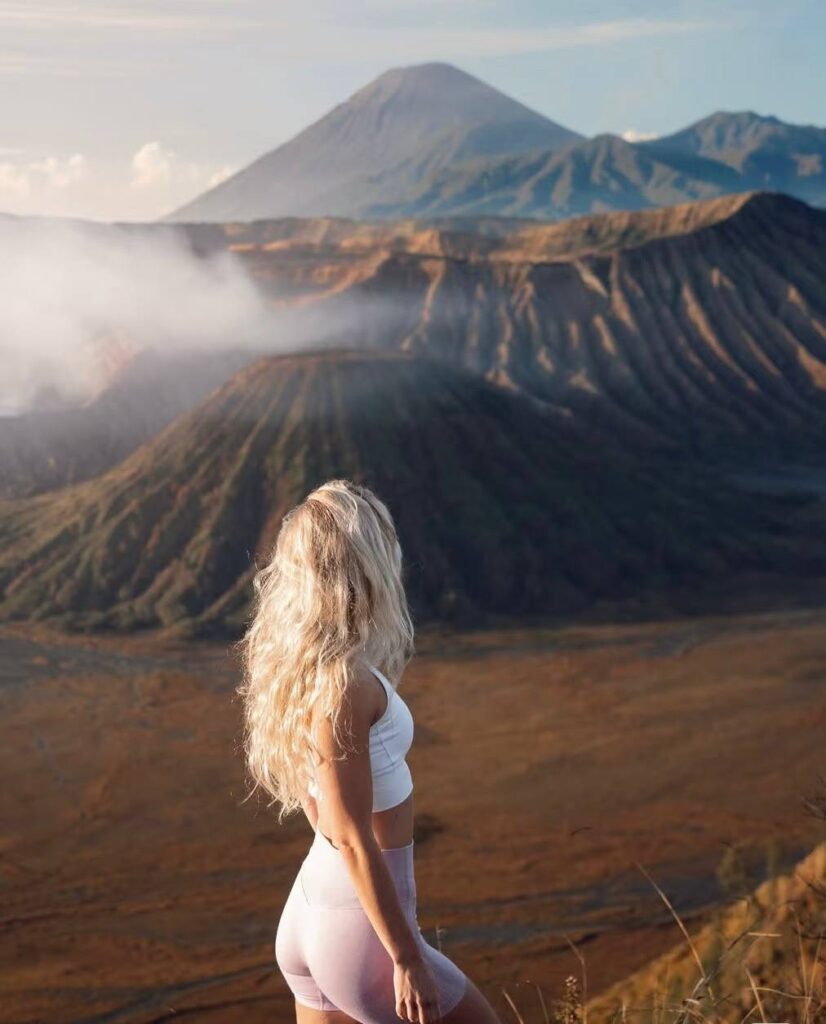
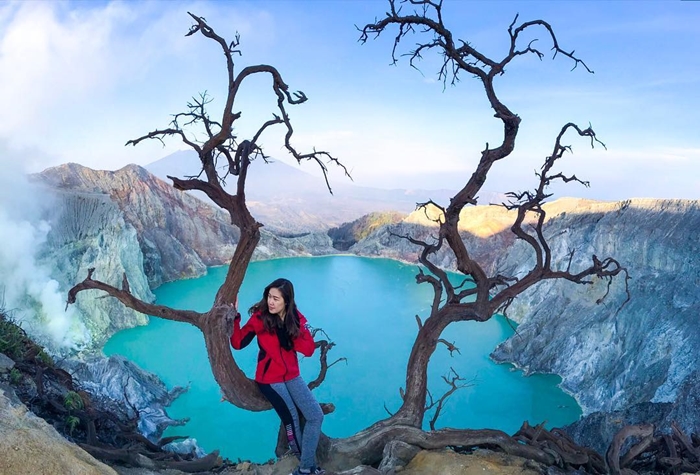
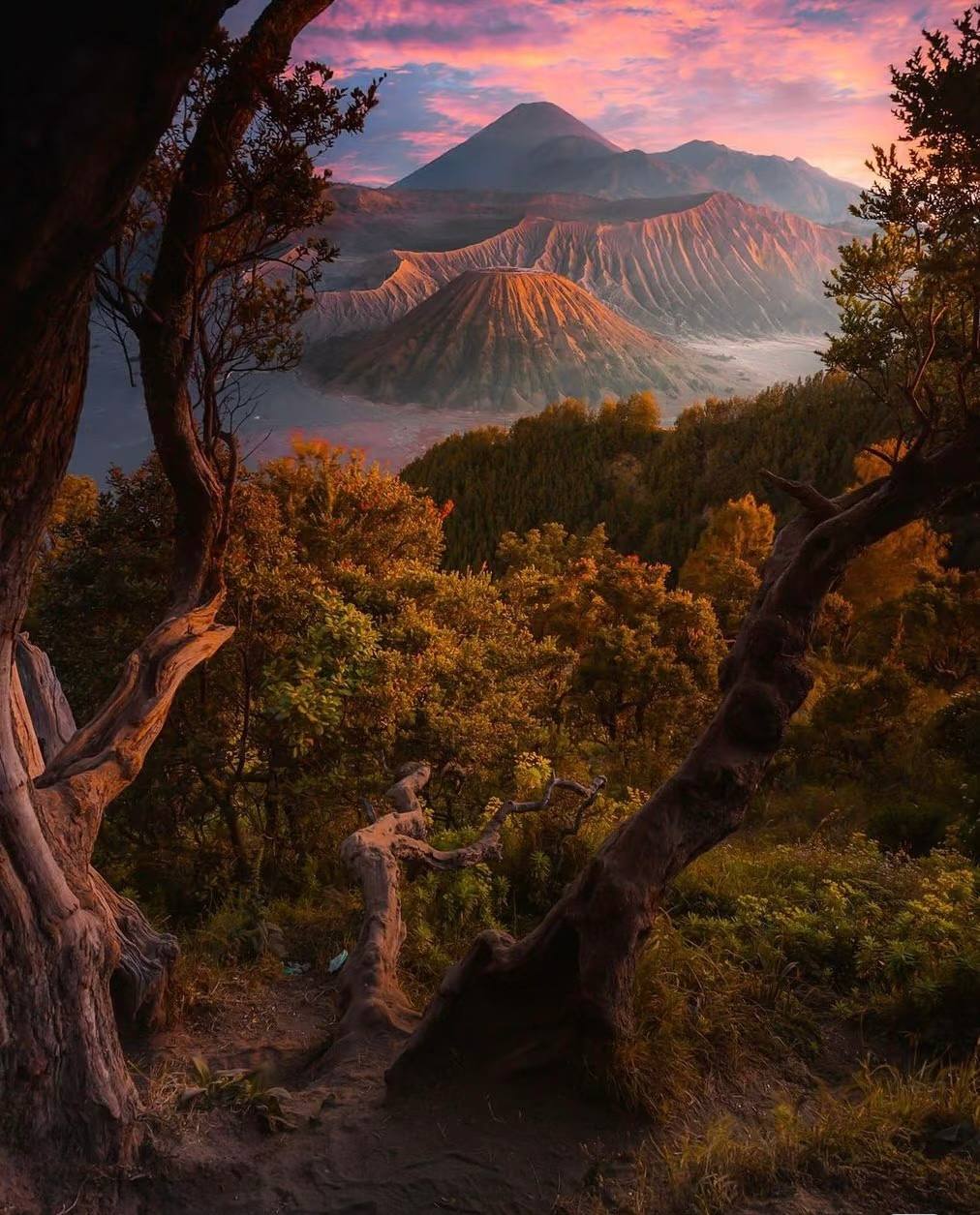
    Mount Bromo is an active volcano sitting inside the massive Tengger Caldera. It’s famous for its “Sea of Sand” and the iconic sunrise view from Penanjakan Hill. On the other hand, Ijen Crater (Kawah Ijen) offers something truly unique: the world’s largest highly acidic lake and the rare “Blue Fire” phenomenon, caused by ignited sulfuric gases.


    The Best Time to Visit

    Indonesia has two seasons: dry and wet.

    • Dry Season (April to October): This is the prime time. Skies are clear, making those sunrise shots crisp.
    • Wet Season (November to March): You can still go, but be prepared for rain and clouds that might block the view.
    • Pro Tip: Avoid Indonesian public holidays and long weekends. Bromo can get incredibly crowded, with hundreds of jeeps lining up, which takes a bit of the “magic” away.

    Detailed Itinerary: The Classic 3-Day Adventure

    Most travelers start from Surabaya or Malang. Here’s how a typical high-quality tour looks:

    Day 1: Arrival and Transfer to Bromo

    Your guide will pick you up and drive you to the village of Cemoro Lawang. This village sits right on the edge of the crater.

    • Insider Info: Spend the evening walking around the village. The view of the caldera at sunset is often just as good as sunrise, and there are far fewer people.

    Day 2: The Bromo Sunrise and the Sea of Sand

    • 03:00 AM: Hop into a 4×4 Jeep. It’s cold—colder than you think.
    • 05:00 AM: Watch the sun rise over the peaks.
    • 07:00 AM: Cross the Sea of Sand and hike (or take a horse) up the stairs to the Bromo crater rim. You’ll hear the volcano “roar.”
    • 10:00 AM: Head back for breakfast, then start the 6-hour drive toward Ijen (Banyuwangi).

    Day 3: The Blue Fire of Ijen

    • 01:00 AM: Reach the Paltuding base camp.
    • 02:00 AM: Start the 2-hour uphill trek.
    • 04:00 AM: Descend into the crater to see the Blue Fire.
    • 06:00 AM: Watch the turquoise lake appear as the sun rises.
    • 08:00 AM: Hike back down and see the sulfur miners carrying up to 80kg of rock on their shoulders.

    “Insider” Tips for a Smooth Experience (E-A-T)

    As a seasoned Mount Bromo and Ijen Crater tour guide, I’ve seen travelers make the same mistakes. Here is the “insider” knowledge to keep you ahead of the pack:

    1. Layers are Non-Negotiable

    It can be $5^\circ\text{C}$ ($41^\circ\text{F}$) at the viewpoints but $25^\circ\text{C}$ by noon. Wear a thermal base, a fleece, and a windbreaker. You can rent heavy jackets at Bromo for a few dollars if you don’t want to pack one.

    2. Cash is King

    While hotels take cards, the local “Warungs” (food stalls) and horse riders do not. Always carry small denominations of Indonesian Rupiah (IDR). If you want to buy a hot ginger tea (Wedang Jahe) at 4 AM, you’ll need it.

    3. The Gas Mask at Ijen

    Don’t rely on a simple surgical mask for Ijen. The sulfur fumes are heavy and can sting your lungs. High-quality respirators are usually provided by good tour operators—make sure yours includes one.

    4. Respect the Miners

    The Ijen sulfur miners have one of the toughest jobs in the world. If you take a photo of them, it’s polite to offer a small tip or buy a small sulfur carving from them.

    5. Eye Care

    If you wear contact lenses, consider switching to glasses for the Ijen hike. The sulfuric acid in the air can irritate your eyes significantly when trapped behind a lens.


    Essential Packing List

    Don’t leave your hotel without these:

    • Headlamp: Essential for the Ijen night trek so your hands stay free.
    • Trekking Shoes: The path at Ijen can be slippery with loose gravel.
    • Sunscreen: Even if it feels cold, the mountain sun is intense.
    • Power Bank: Cold weather drains phone batteries faster.
    • Snacks: High-energy bars are great for that midnight boost.

    What to Expect from Your Guide

    A great Mount Bromo and Ijen Crater tour guide does more than just show the way. They are your:

    • Safety Officer: Monitoring volcanic activity and gas levels.
    • Photographer: They know exactly which rock to stand on for the best angle.
    • Culture Bridge: Explaining the traditions of the Tenggerese Hindus who live around Bromo.

    Capturing the Magic: Photo & Video Tips

    To get those “National Geographic” shots:

    • Golden Hour: For Bromo, stay at the viewpoint 20 minutes after the sun rises. Most people leave immediately, but the light gets softer and better for photos once the “main event” crowd thins out.
    • Ijen Blue Fire: You’ll need a tripod or a very steady hand (and a long exposure setting) to capture the blue flames in the dark.
    • Drone Users: Check local regulations first. Bromo is generally drone-friendly, but wind speeds can be unpredictable.

    Traveler Note: The sulfur at Ijen can slightly tarnish silver jewelry. If you have a precious silver ring or necklace, leave it in the hotel safe!


    Ready to Book Your Adventure?

    Planning this trip on your own involves coordinating multiple drivers, jeep rentals, entrance permits, and gear. It can be a headache, especially when you’re operating on 3 hours of sleep!

    If you want a seamless, high-end experience where everything is handled—from comfortable transport to expert local storytelling—we highly recommend Get on Explore.

    Get on Explore is a premier travel organizer specializing in East Java adventures. They cater to both international travelers and locals, ensuring:

    • Multilingual Guides: No language barriers.
    • Premium Logistics: Clean, air-conditioned vehicles and reliable 4×4 jeeps.
    • Safety First: Quality gas masks and safety briefings for the Ijen crater.
    • Tailored Experiences: Whether you’re a solo backpacker or a family, they can customize the pace to suit you.

    Don’t just visit East Java—experience it with people who know every hidden corner of the caldera.

  • Iconic Indonesian Adventures for Young Travelers: The Ultimate 15-Destination Bucket List

    Iconic Indonesian Adventures for Young Travelers: The Ultimate 15-Destination Bucket List

    Get on Explore – Indonesia is not just a destination; it’s a rite of passage. For the modern backpacker in Indonesia, this archipelago of 17,000 islands offers a sensory overload of smoking volcanoes, neon-blue waters, and ancient rituals. If you’re a young traveler looking to trade the “tourist traps” for authentic cultural tourism and groundbreaking ecotourism, you’ve come to the right place.

    From the hipster hubs of Java to the prehistoric frontiers of Papua, here are 15 iconic adventures that define the Indonesian experience.


    The Heart of Java: Culture and Volcanic Peaks

    1. Yogyakarta (Jogja): The Soul of the Nation

    iconic adventur in Indonesia - jogja-yogyakarta
    iconic adventur in Indonesia – jogja-yogyakarta

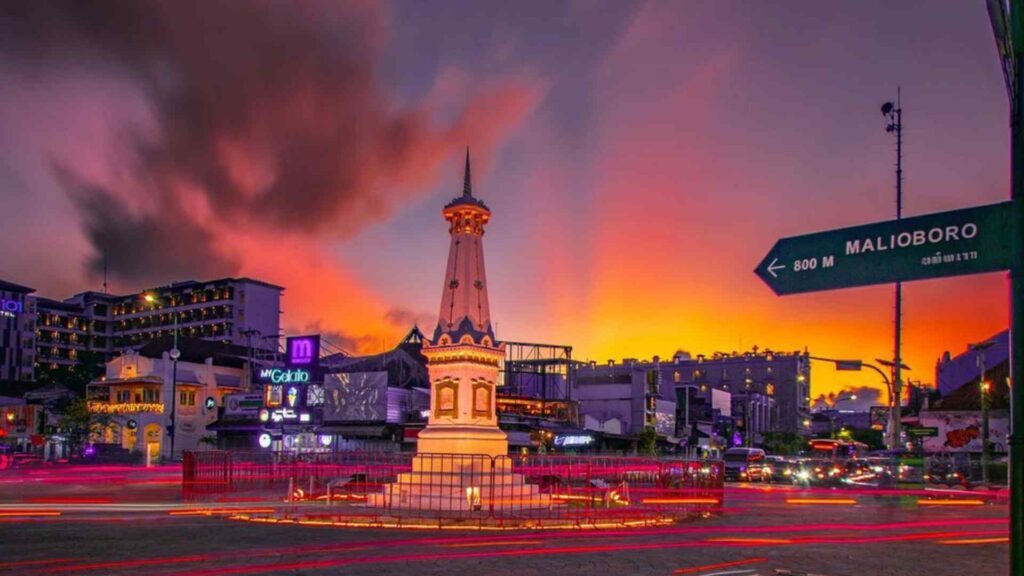
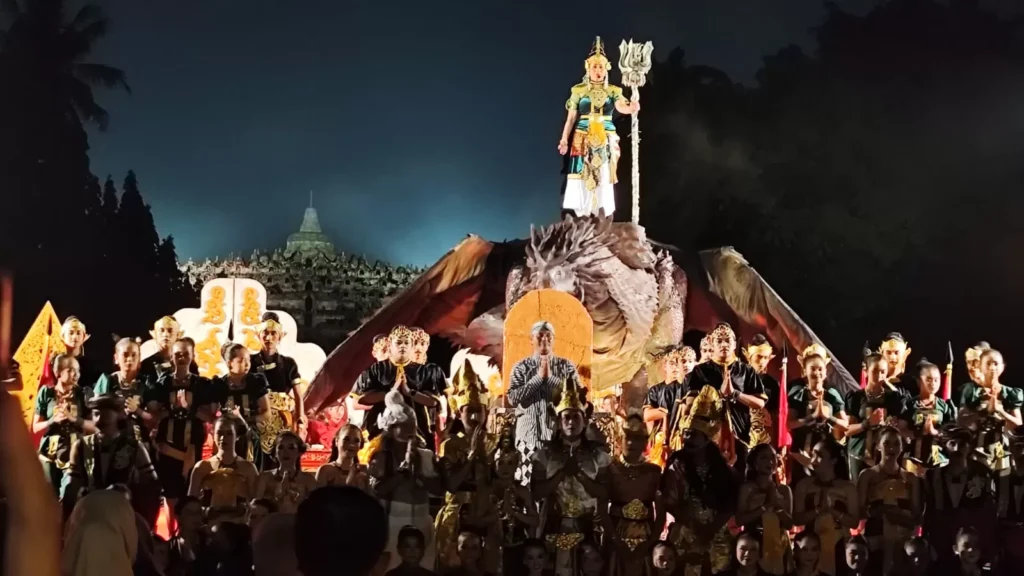
    Jogja is the undisputed capital of cultural tourism. Imagine cycling through rice fields at dawn to reach Borobudur, the world’s largest Buddhist temple, just as the mist clears. By night, the city transforms. Head to Malioboro to eat Gudeg (sweet jackfruit stew) on floor mats (lesehan) while street musicians serenade you.

    Insider Tip: Always carry small cash (IDR 2,000–5,000) for “parking fees” or temple donations. It saves you the headache of waiting for change.

    2. Malang: The Colorful Gateway

    Open Trip Tumpak Sewu Malang Bromo Get on Explore
    Open Trip Tumpak Sewu Malang Bromo Get on Explore

    Malang feels like a breath of fresh air. Beyond its Dutch colonial architecture, it houses Kampung Warna-Warni, a rainbow-colored village that is a photographer’s dream. It’s also the base for the Bromo sunrise trek. Standing on the edge of the Bromo crater while the earth rumbles beneath your feet is a humbling experience every young traveler needs.

    3. Wonosobo & Dieng Plateau: The Abode of Gods

    iconic adventur in Indonesia - dieng-wonosobo
    iconic adventur in Indonesia – dieng-wonosobo

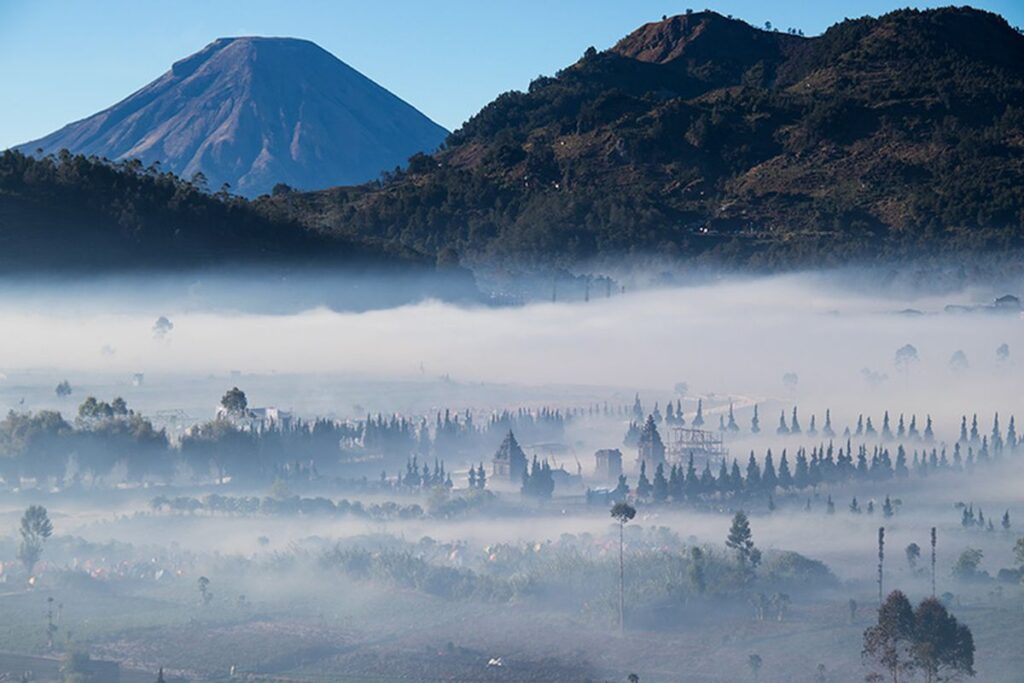
    Located high in the clouds, Wonosobo leads you to the Dieng Plateau. This is ecotourism at its peak. You’ll find multi-colored sulfuric lakes (Telaga Warna) and ancient Hindu temples scattered across a landscape that looks like Scotland—but with tropical air.

    Pro Tip: Bring a real jacket. Temperatures here can drop to $5°C$ at night!

    4. Karimunjawa: The Hidden Archipelago

    iconic adventur in Indonesia - dieng-wonosobo
    iconic adventur in Indonesia – dieng-wonosobo

    Forget the crowded beaches of Bali for a moment. Karimunjawa is a secret chain of islands off the coast of Central Java. It’s a backpacker’s paradise for snorkeling with baby sharks and eating grilled fish on uninhabited islands.


    Bali & The Lesser Sunda Islands: Into the Wild

    5. Ubud, Bali: The Spiritual Reset

    iconic adventur in Indonesia - Ubud Bali
    iconic adventur in Indonesia – Ubud Bali

    Ubud is where cultural tourism meets wellness. Get lost in the Tegalalang rice terraces or take a silver-making workshop with local artisans. It’s the perfect place to slow down and reconnect before your next rugged trek.

    6. Nusa Penida: The Rugged Frontier

    iconic adventur in Indonesia - Nusa Penida Bali
    iconic adventur in Indonesia – Nusa Penida Bali

    Just a boat ride from Bali, Penida is “Bali 20 years ago.” The cliffs at Kelingking Beach (shaped like a T-Rex) are iconic, but the real magic is swimming with Manta Rays at Manta Point. The roads are bumpy, so only rent a scooter if you’re a confident rider!

    7. Mount Rinjani, Lombok: The Ultimate Challenge

    iconic adventur in Indonesia - Rinjani Lombok
    iconic adventur in Indonesia – Rinjani Lombok

    For the hardcore adventurer, Lombok offers Rinjani. This multi-day trek takes you to the rim of a massive volcano with a turquoise lake (Segara Anak) inside. It’s a grueling climb, but watching the sunrise from the summit at $3,726$ meters is a spiritual experience.

    8. Labuan Bajo, Flores: Gateway to Dragons

    iconic adventur in Indonesia - labuan Bajo - Flores
    iconic adventur in Indonesia – labuan Bajo – Flores

    This fishing town is your base for the Komodo National Park. Witnessing a 3-meter Komodo Dragon in the wild is a “Jurassic Park” moment. The park is a prime example of ecotourism, where your park fees help protect these prehistoric giants.

    9. Padar Island, NTT: The Triple Bay

    iconic adventur in Indonesia - Padar Island
    iconic adventur in Indonesia – Padar Island

    Located within the Komodo archipelago, Padar offers one of the most famous views in the world. A short, steep hike rewards you with a vista of three bays: one with white sand, one with black, and one with pink.

    10. Sumba: The Land of Spirits

    Sumba

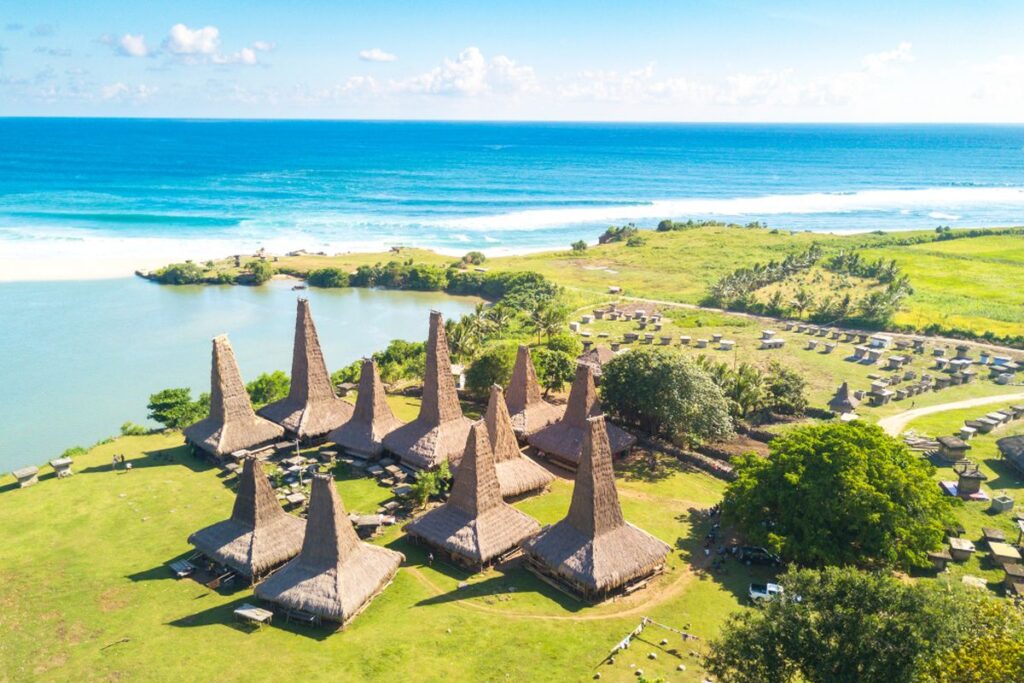
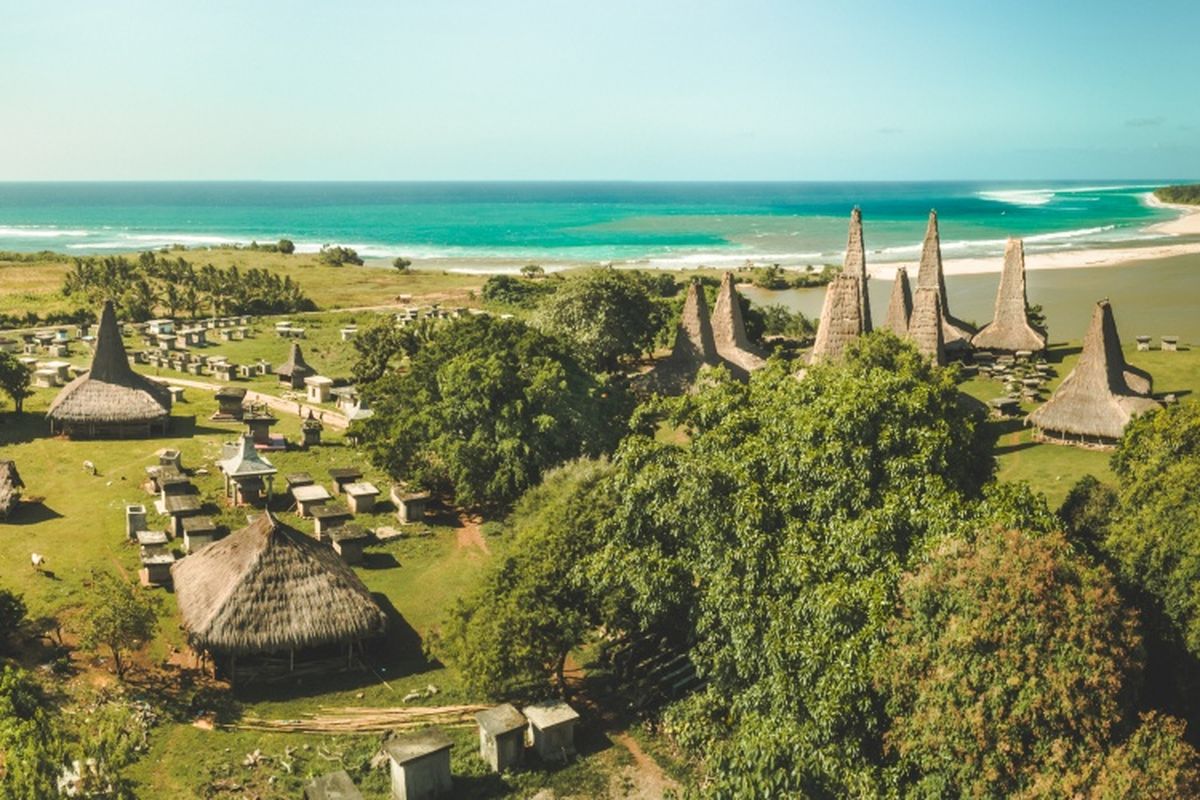
    Sumba is for the traveler who wants to go off the grid. Known for its giant megalithic tombs and high-roofed thatched houses, the culture here is unlike anywhere else. Visit Weekuri Lagoon for a dip in crystal-clear saltwater surrounded by coral.


    Sumatra & Kalimantan: Jungles and Giants

    11. Bukit Lawang, Sumatra: Jungle Fever

    iconic adventure in indonesia for young backpacker - bukit lawang medan
    iconic adventure in indonesia for young backpacker – bukit lawang medan

    Deep in the Gunung Leuser National Park, you can trek into the rainforest to see semi-wild Orangutans. Watching these “people of the forest” swing through the canopy is the gold standard of ecotourism.

    Insider Tip: Hire a certified guide who follows “No Touch, No Feed” policies to keep the animals safe.

    12. Lake Toba, Sumatra: A Lake Inside a Volcano

    iconic adventure in indonesia for young backpacker - Toba Lake
    iconic adventure in indonesia for young backpacker – Toba Lake

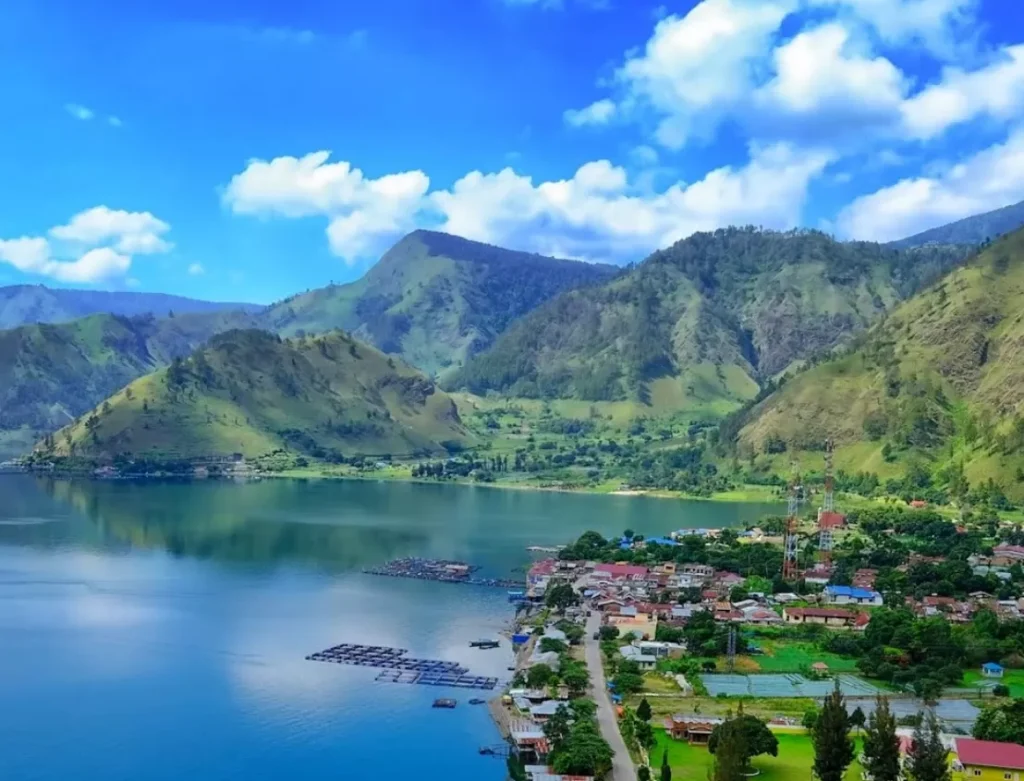
    Formed by a supervolcanic eruption, Lake Toba is massive. Stay on Samosir Island in the middle of the lake to explore the Batak culture. The air is cool, the locals are incredibly musical, and the scenery is vast.

    13. Tanjung Puting, Kalimantan: The River Journey

    iconic adventure in indonesia for young backpacker - Tanjung Puting

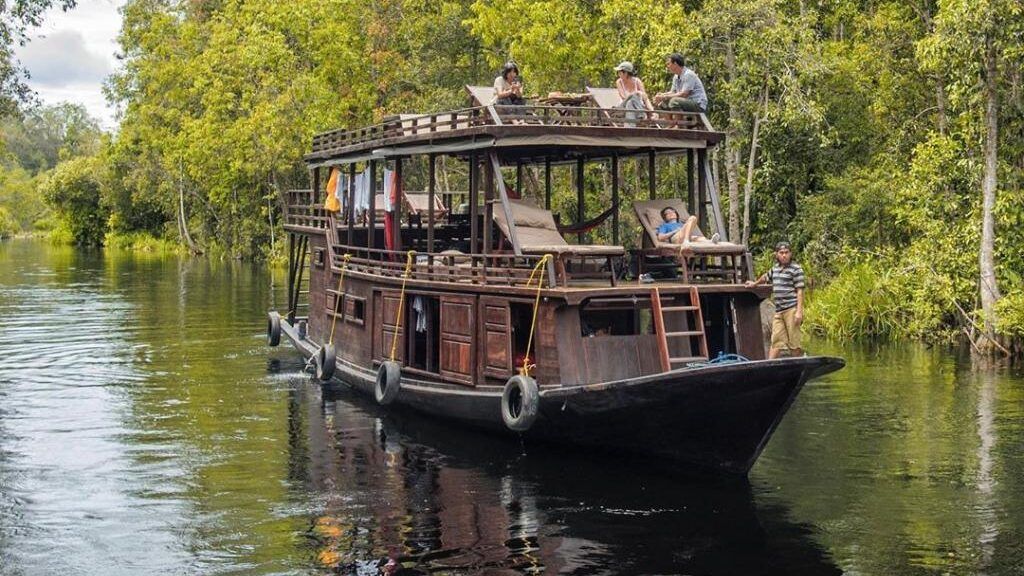
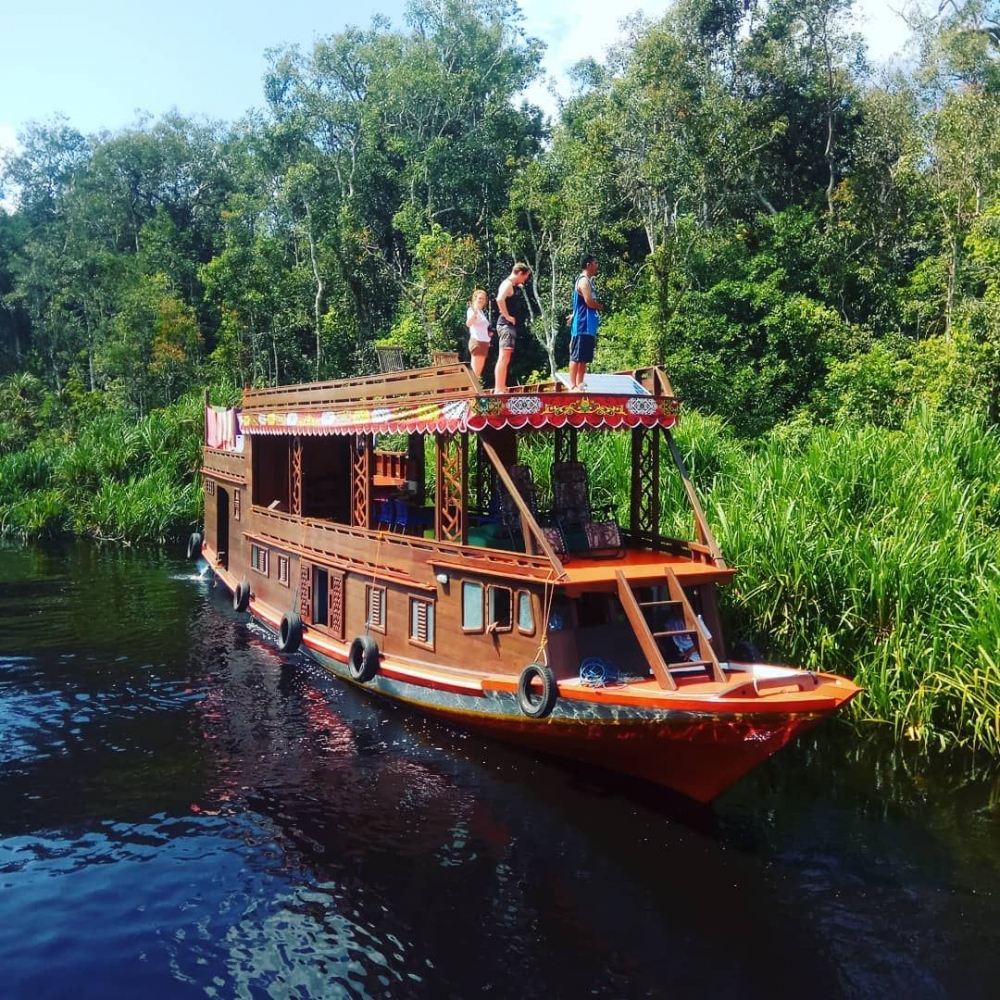
    Live on a Klotok (traditional houseboat) for three days as you cruise down the Sekonyer River. You’ll eat, sleep, and shower on the boat while spotting Proboscis monkeys and Orangutans from the deck.


    Sulawesi & Papua: The Final Frontiers

    14. Tana Toraja, Sulawesi: Life After Death

    iconic adventure in indonesia for young backpacker - Tana Toraja
    iconic adventure in indonesia for young backpacker – Tana Toraja

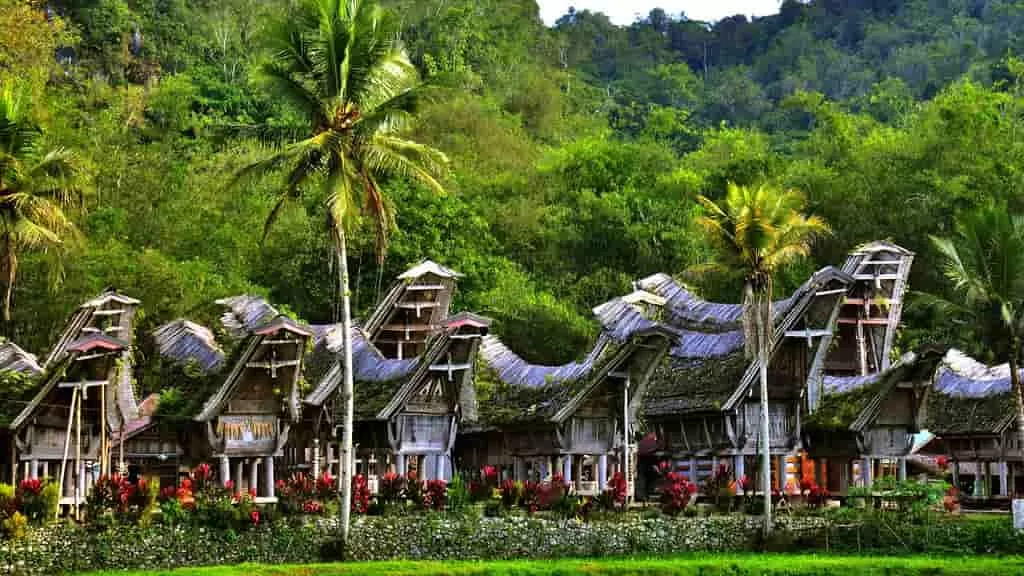
    Toraja offers the most unique cultural tourism in the world. Their elaborate funeral ceremonies and cave graves are legendary. It’s a deep, respectful look at how a culture views the transition from life to the afterlife.

    15. Raja Ampat, West Papua: The Last Paradise

    iconic adventure in indonesia for young backpacker - Raja Ampat
    iconic adventure in indonesia for young backpacker – Raja Ampat

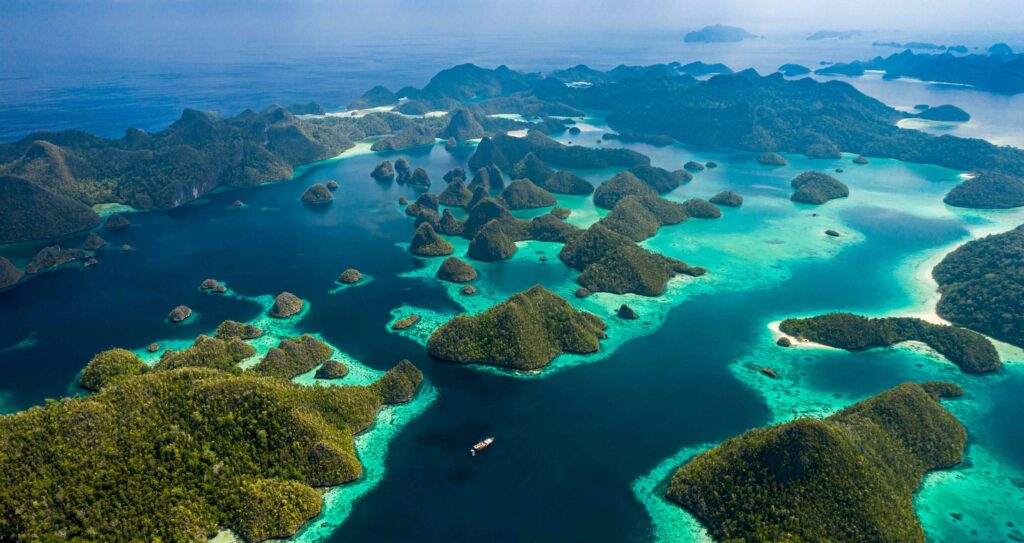
    Often called the “Amazon of the Ocean,” Raja Ampat holds the highest marine biodiversity on Earth. For a backpacker in Indonesia, staying in a local homestay on Kri Island is the best way to experience this underwater wonderland without the “luxury resort” price tag.


    Travel Tips for the “Iconic” Experience

    • Download Grab or Gojek: These are the “everything apps” for transport and food delivery.
    • Plastic-Free: Bring a reusable water bottle. Many hostels now provide gallon refills to support ecotourism.
    • Respect the “Adat”: Every region has its own local laws (Adat). When in doubt, dress modestly (shoulders and knees covered) when visiting villages.

    Make it Happen with Get on Explore

    Planning an expedition across 15 different locations can be daunting, especially when dealing with local boat schedules and permits. This is where Get on Explore comes in.

    As a premier travel organizer for both international and local travelers, Get on Explore specializes in curated, authentic adventures. Whether you want to trek the peaks of Rinjani, dive the reefs of Raja Ampat, or immerse yourself in the traditions of Toraja, they handle the logistics so you can focus on the “wow” moments.

    Ready to start your iconic Indonesian adventure? Contact Get on Explore today and let the experts turn your bucket list into reality. Your story starts here!

  • Discover the Best Cultural Art in Indonesia: A Journey Through Living Traditions

    Discover the Best Cultural Art in Indonesia: A Journey Through Living Traditions

    Get on Explore – When you travel through Indonesia, you aren’t just moving between islands; you are moving through layers of time. The best cultural art in Indonesia is a tapestry woven from Hindu-Buddhist roots, Islamic influences, and ancient animist beliefs. To see these arts is to witness a living history that refuses to fade.

    10 Masterpieces of Indonesian Culture: Stories, History, and Soul

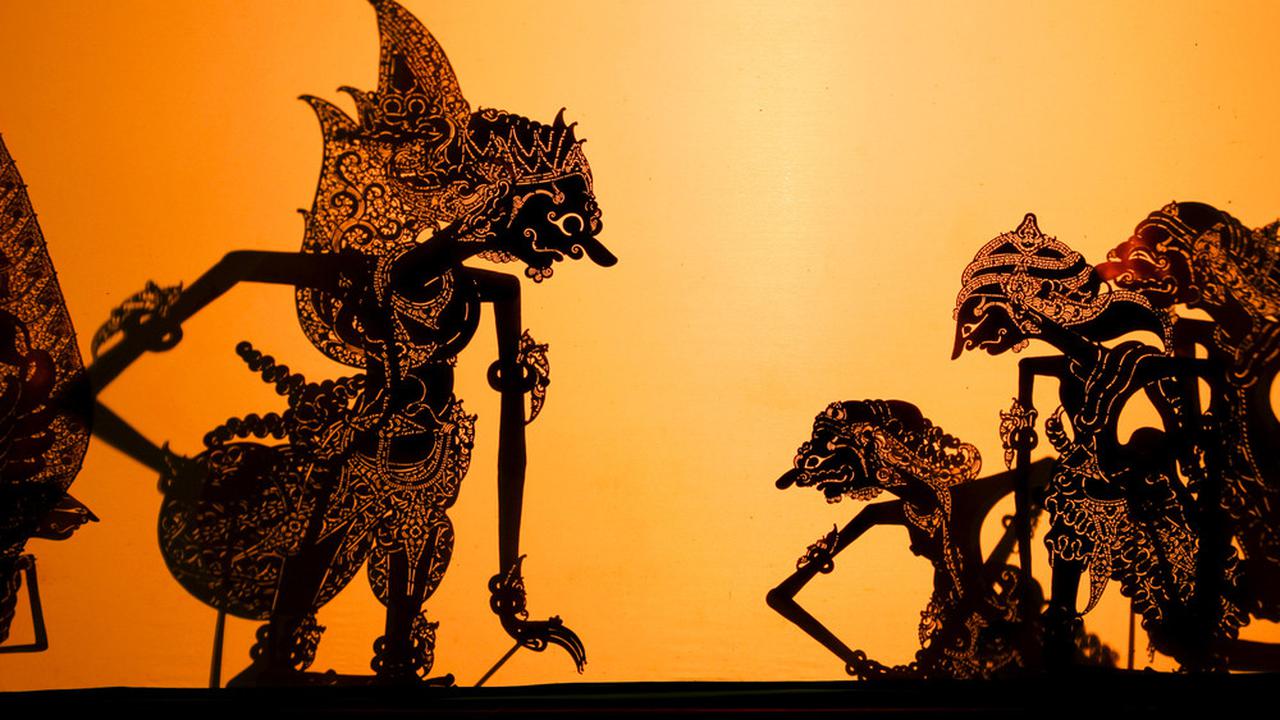
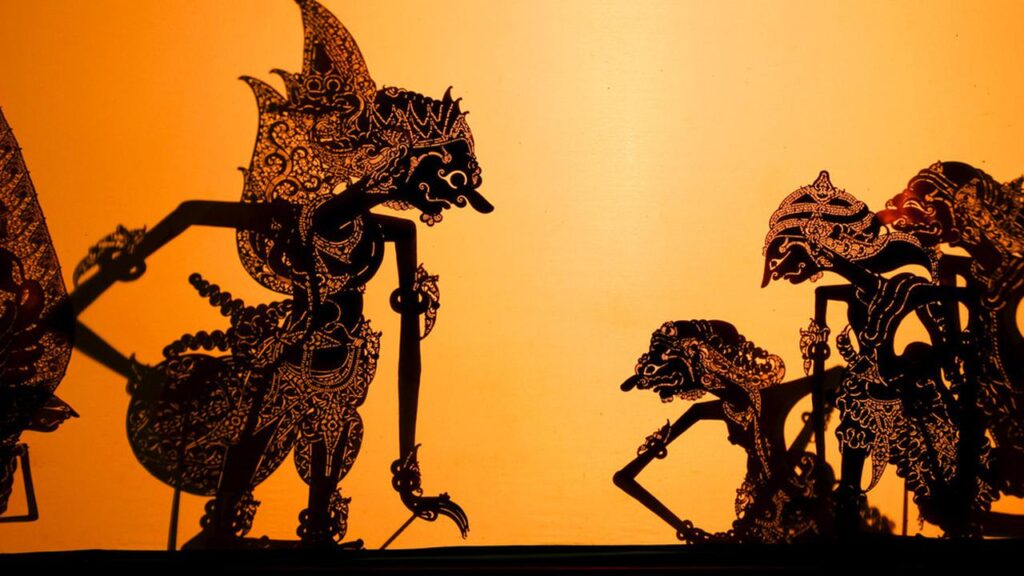
    1. Wayang Kulit: The Shadow of Ancestors (Central Java & Yogyakarta)

    History: Originating over a thousand years ago, Wayang Kulit was once a medium for ancestral worship before being used by religious leaders to spread moral teachings. The Magic: Behind a backlit screen, the Dalang (Master Puppeteer) moves leather puppets carved with needle-thin precision. The Message: It is a cosmic battle between Dharma (good) and Adharma (evil). The shadow represents the human soul, reminding us that what we see in the physical world is often just a reflection of a deeper spiritual reality.

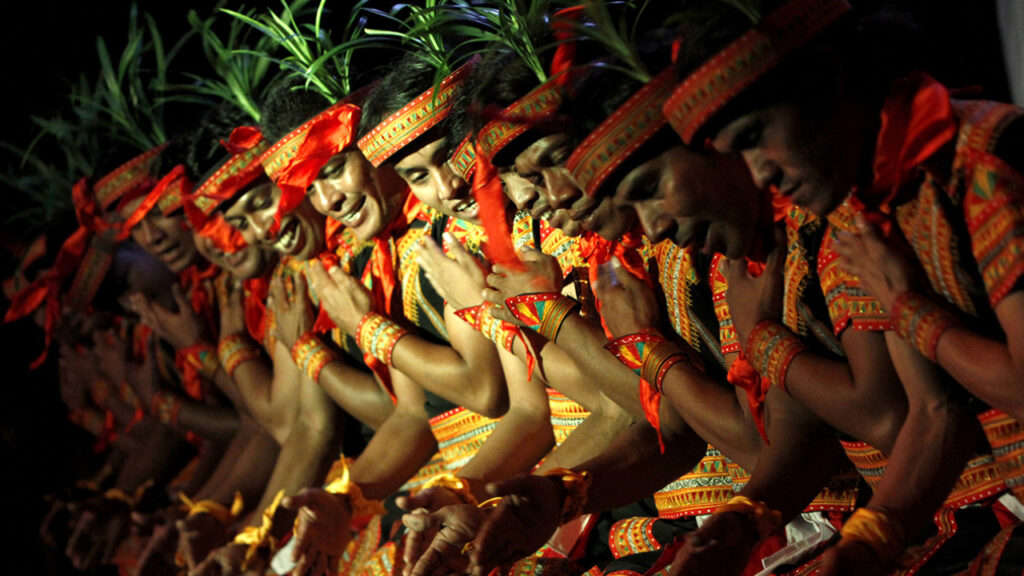
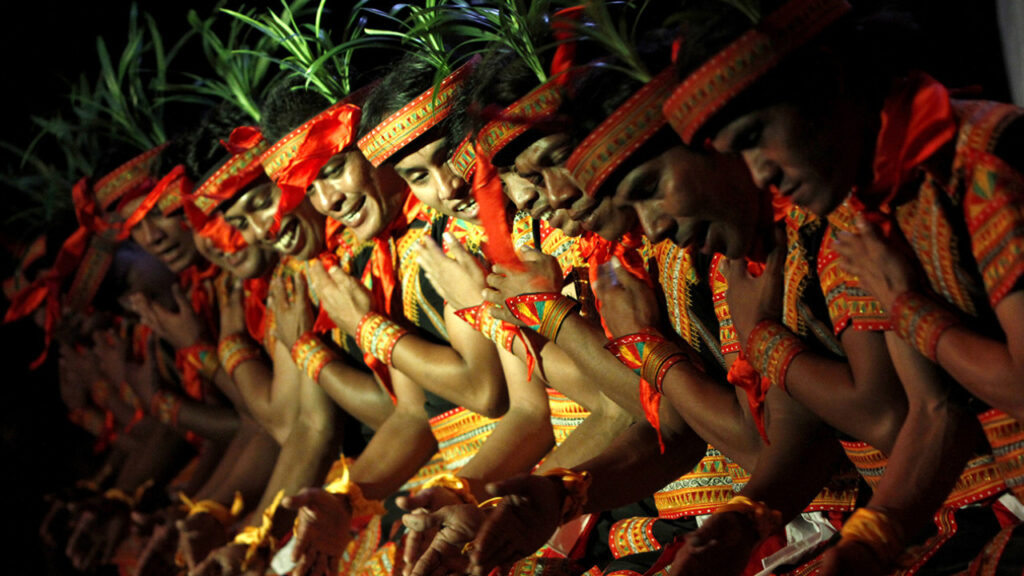
    2. Tari Saman: The Symphony of Unity (Aceh)

    Tari saman Get on Explore - Indonesia Travel
    Tari saman Get on Explore – Indonesia Travel

    History: Created by the Gayo people in the 13th century, this was originally a medium for dakwah (religious outreach). The Magic: Unlike most dances, Saman uses no instruments. The music comes from the rhythmic clapping of hands, slapping of chests, and the synchronized chanting of dozens of men. The Message: It is the “Dance of a Thousand Hands.” It symbolizes the strength of the community—if one person loses the rhythm, the whole performance falters. It is a lesson in extreme discipline and brotherhood.

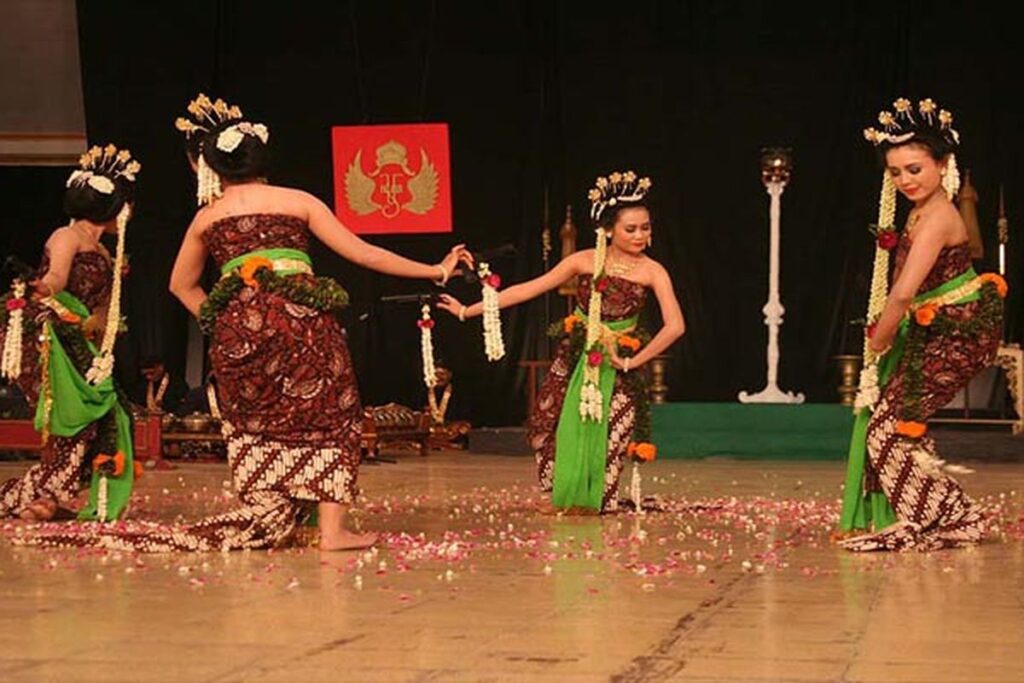
    3. Tari Bedhaya Ketawang: The Dance of the Goddess (Solo)

    Tari Bedhaya Ketawang Get On Explore - Indonesian Travel
    Tari Bedhaya Ketawang Get On Explore – Indonesian Travel

    History: This is the most sacred dance in the Surakarta Sunanate, performed only once a year to commemorate the Sultan’s accession to the throne. The Magic: Nine female dancers move with such agonizing slowness and grace that they appear to be floating. Legend says the Goddess of the South Sea, Nyai Roro Kidul, joins the dancers in spirit. The Message: The nine dancers represent the human orifices or the planets. It is a meditation on the harmony between the king, his people, and the universe.

    4. Tari Reog Ponorogo: The Tiger’s Might (East Java)

    Tari Reog Ponorogo - Get on Explore - Indonesian Travel
    Tari Reog Ponorogo – Get on Explore – Indonesian Travel

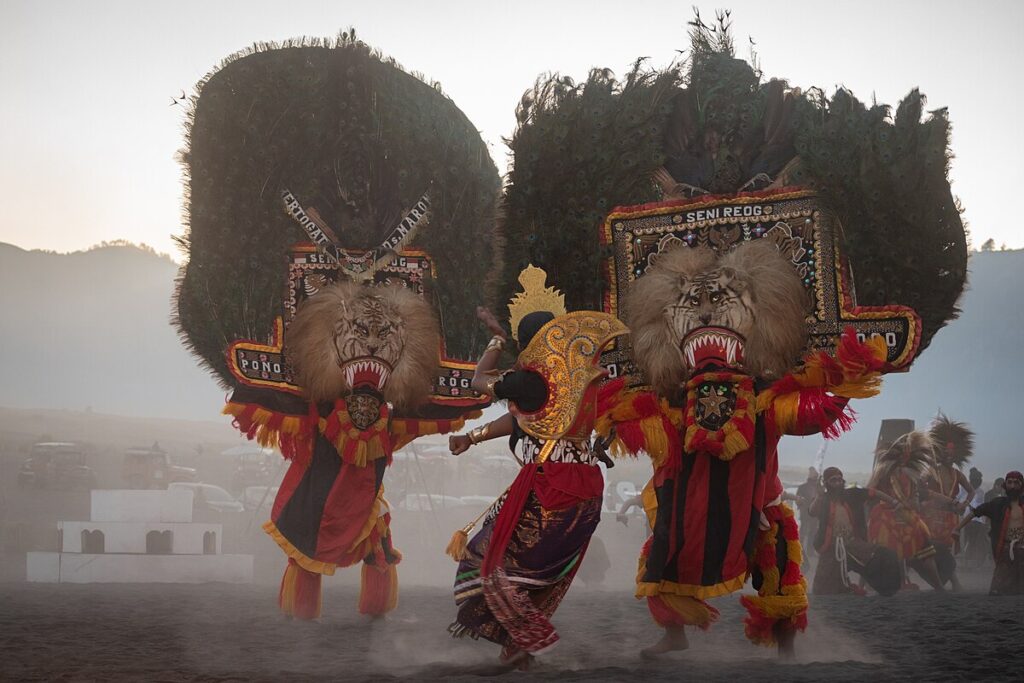
    History: Dating back to the Majapahit era, Reog is a satirical story of a king’s rebellion and his love for a princess. The Magic: The lead dancer carries a Singa Barong mask—a massive 50kg structure of a tiger’s head topped with peacock feathers—using only his teeth. The Message: It is a display of “Manunggaling Kawula Gusti” (the union of servant and master), showcasing that with immense spiritual and physical will, humans can overcome the heaviest of burdens.

    5. Tari Kecak: The Chant of the Monkeys (Bali)

    Tari Kecak Get on Explore - Indonesian Travel
    Tari Kecak Get on Explore – Indonesian Travel

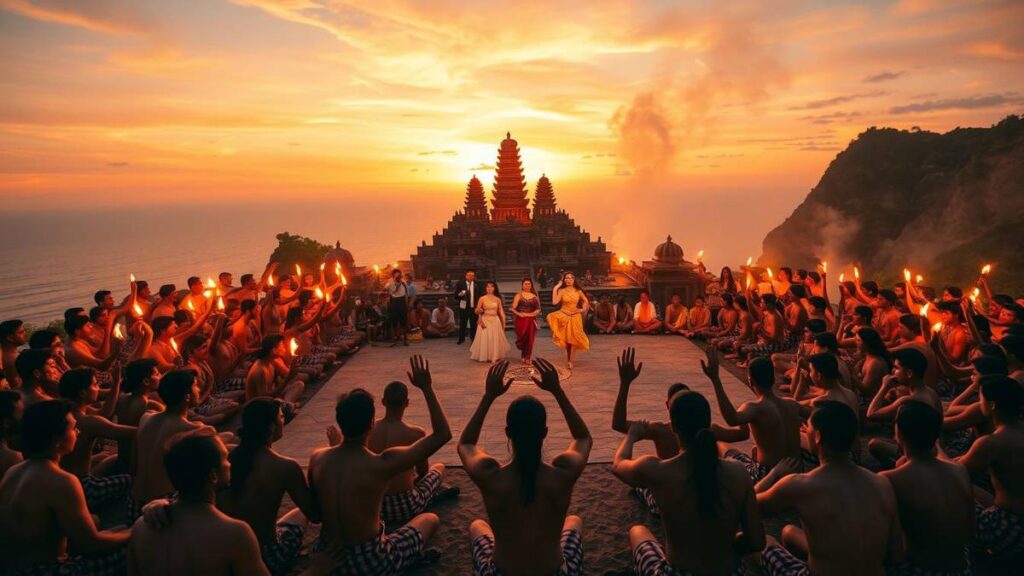
    History: Developed in the 1930s in Uluwatu, this dance adapted ancient Sanghyang (exorcism) rituals into a dramatic retelling of the Ramayana. The Magic: Fifty men sit in concentric circles, their arms swaying like branches, creating a polyphonic wall of sound with the chant “cak-cak-cak.” The Message: It depicts the “Monkey Forest” army aiding Prince Rama. It symbolizes how collective voices and unwavering loyalty can defeat even the most powerful demons.

    6. Tari Piring: The Balance of Life (West Sumatra)

     Tari Piring Get on Explore Indonesian Travel
    Tari Piring Get on Explore Indonesian Travel

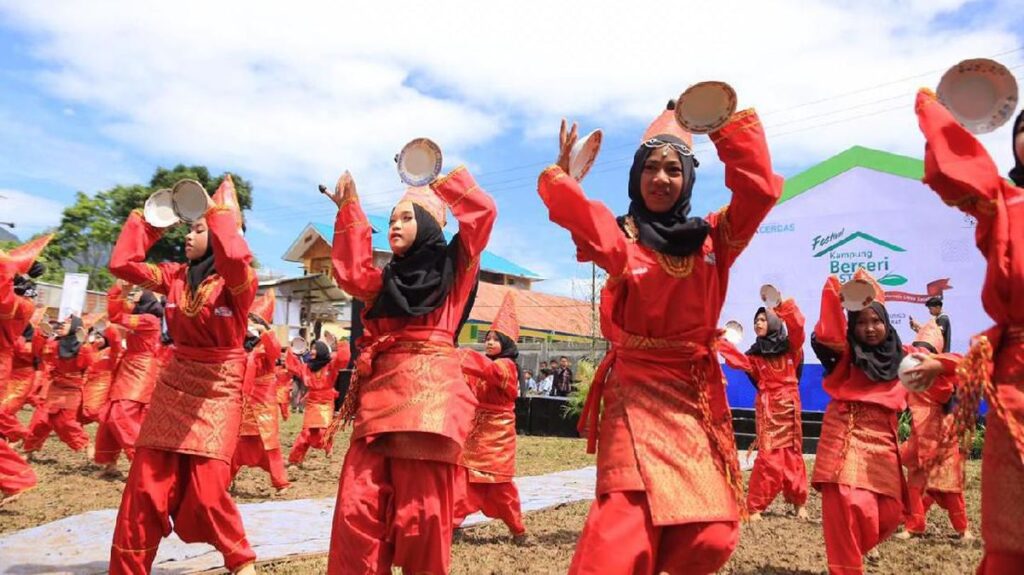
    History: Originally a dance of gratitude to the gods after a successful harvest, it evolved after the arrival of Islam into a performance of skill and celebration. The Magic: Dancers hold ceramic plates in their palms, twirling them at high speeds without dropping them—and often ending the dance by leaping onto broken porcelain. The Message: It reflects the elegance and resilience of the Minangkabau people. It teaches that life is a delicate balancing act; even when things break, you must continue to move with grace.

    7. Angklung: The Harmony of Bamboo (West Java)

    Angklung Get on Explore Indonesian Travel
    Angklung Get on Explore Indonesian Travel

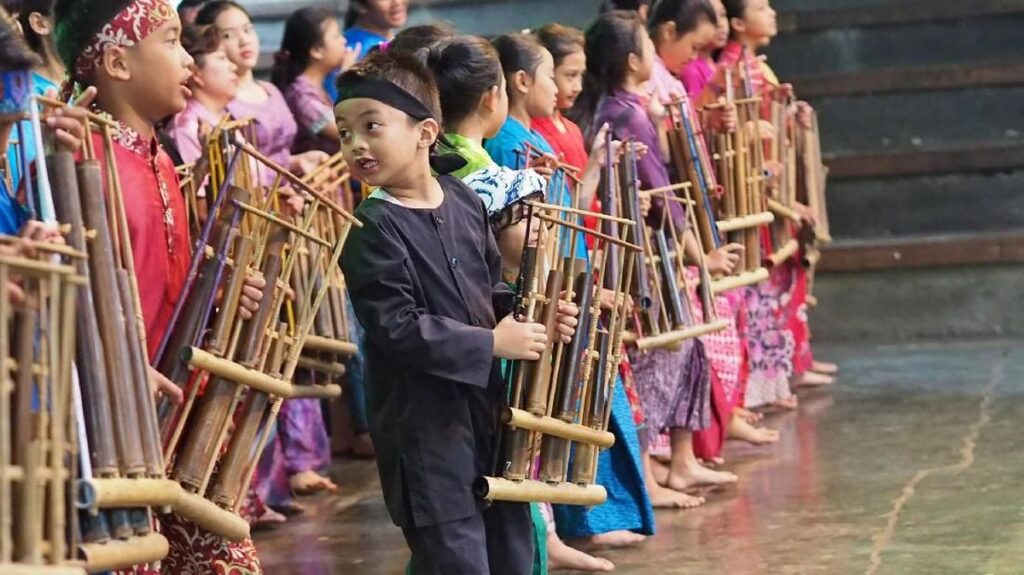
    History: This bamboo instrument dates back to the Sundanese Pajajaran Kingdom, used to honor the Goddess of Rice, Dewi Sri. The Magic: A single Angklung only produces one note. To play a melody, a group must work together in perfect timing. The Message: It is the ultimate symbol of Gotong Royong (mutual cooperation). You cannot create a song alone; you need your neighbor to play their part.

    8. Tari Serimpi: The Four Elements (Yogyakarta)

    Tari Serimpi Get on Explore Indonesian Travel
    Tari Serimpi Get on Explore Indonesian Travel

    History: Once reserved strictly for the royal courts, Serimpi was a form of meditative training for noblewomen. The Magic: Four dancers represent the four elements: Fire, Water, Air, and Earth. Their movements are so subtle that they signify the triumph of the soul over worldly passions. The Message: It is a lesson in “Alus”—the Javanese concept of refinement. True power does not come from aggression, but from absolute self-control.

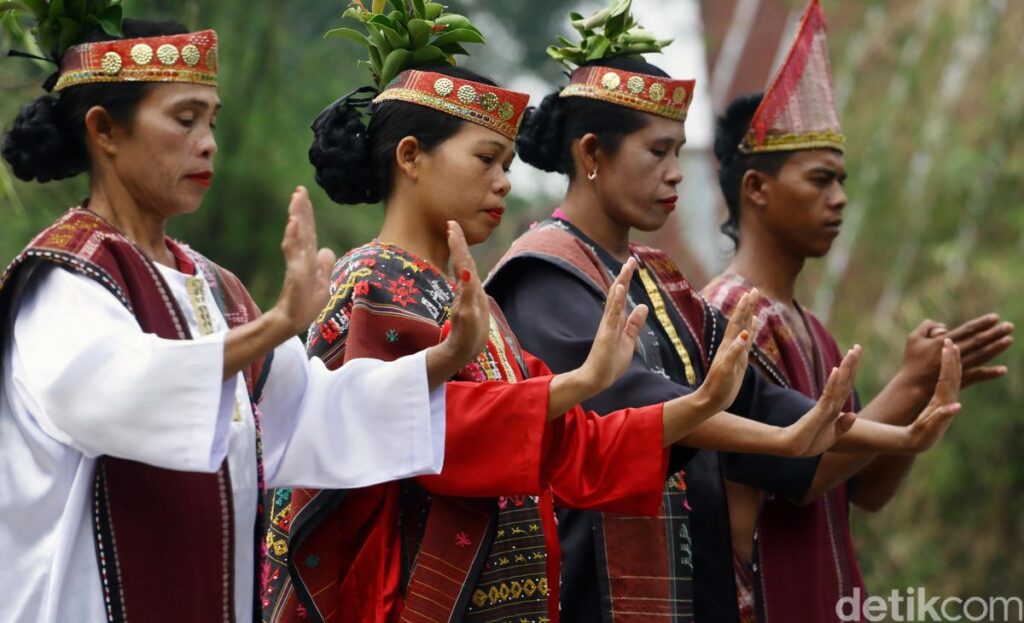
    9. Tari Tor-Tor: The Pulse of the Batak (North Sumatra)

    Tari Tor-Tor Get on Explore indonesian Travel
    Tari Tor-Tor Get on Explore indonesian Travel

    History: Ancient stone statues in Samosir were once said to “dance” to the Tor-Tor during sacred rituals. The Magic: Dancers wear the Ulos (sacred shawl) and move their hands in a rhythmic, pumping motion to the sound of the Gondang (drums). The Message: It is a physical prayer. The downward movement of the hands symbolizes a request for blessings from ancestors, while the upward movement is a sign of gratitude to the Creator.

    10. Tari Jaipong: The Spirit of the People (West Java)

    Tari Jaipong Get on Explore Indonesian Travel
    Tari Jaipong Get on Explore Indonesian Travel

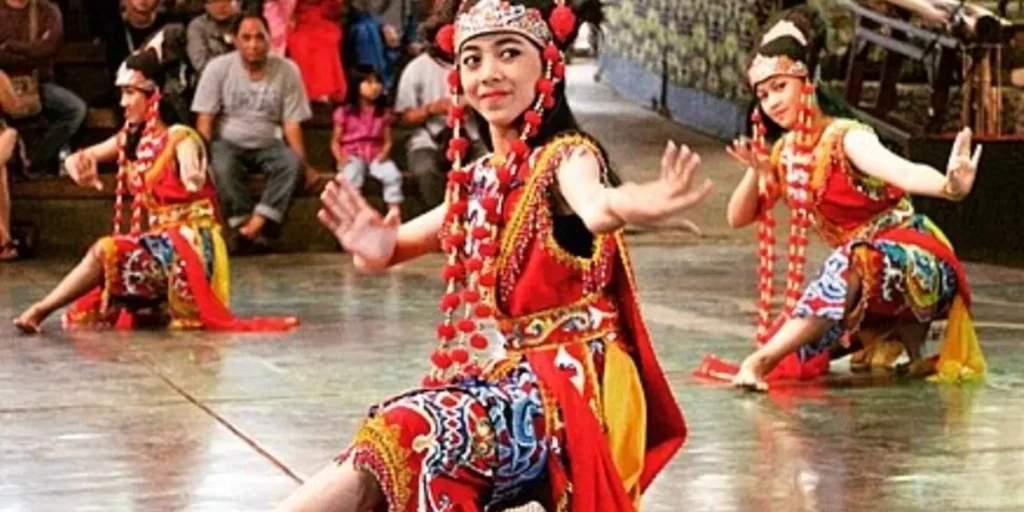
    History: Born in the 1970s as a modern “folk” dance, it revitalized traditional village rhythms that were almost lost. The Magic: It is sensual, fast, and wildly energetic, featuring complex footwork and hip movements. The Message: Jaipong is the voice of the “rakyat” (the people). It represents joy, freedom of expression, and the unyielding vibrancy of Sundanese life.

    The Art Traveler’s Map: 10 Best Destinations for Culture

    If you want to truly immerse yourself in the creative pulse of the nation, these ten destinations offer the most diverse and concentrated cultural experiences.

    1. Ubud: Where Every Corner Whispers a Story

    Stepping into Ubud feels like walking into an open-air gallery. The “tink-tink” sound of a woodcarver’s chisel against teakwood is the neighborhood’s natural soundtrack. In the evenings, the Ubud Royal Palace transforms into a stage where gold-clad dancers move with a precision that tells a thousand-year-old tale.

    2. Yogyakarta: The Royal Soul of Java

    In Yogyakarta, tradition is lived with regal dignity. Walking through the Kraton (Sultan’s Palace), you’ll catch the distant melody of a bronze Gamelan echoing through the pavilion. It is a city that demands you slow down and listen to the stories etched in its stone and silk.

    3. Solo: The Kingdom of Golden Wax

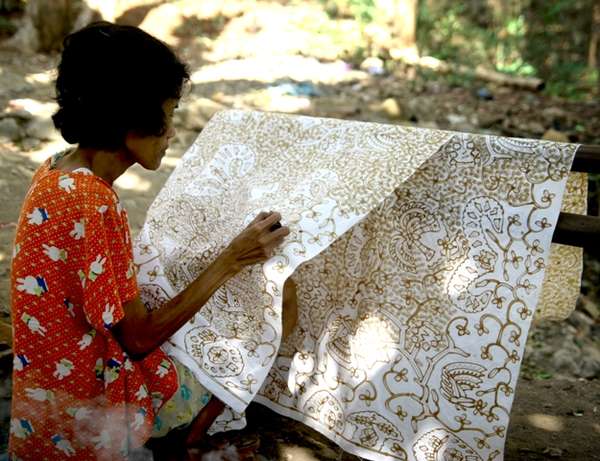
    The undisputed home of Batik. Walking through Kampung Batik Laweyan is like stepping back in time. The faint smell of melting wax hangs in the humid air as grandmothers teach the next generation the meditative art of Batik Tulis.

    4. Jakarta: The Modern Stage for Ancient Echoes

    At Taman Ismail Marzuki (TIM), the atmosphere is electric with a mix of street theater and contemporary dance. For a nostalgic trip, visit Setu Babakan to see the colorful Ondel-ondel puppets towering over the crowds.

    5. Ponorogo: The Land of the Tiger Kings

    Travel to East Java to witness the raw power of Reog Ponorogo. Seeing the dancers lift the 50kg masks with only their teeth in the middle of a village square is an experience that will leave you speechless.

    6. Banda Aceh: The Rhythm of the Veranda

    Visit the “Veranda of Mecca” to witness the Saman Dance. Watching dozens of men move as one, clapping their chests and shoulders in a blur of motion, is a spiritual experience unlike any other.

    7. Bukittinggi: The Minang Heartland

    Nestled in the highlands of West Sumatra, this is the best place to see the Tari Piring and explore the magnificent Rumah Gadang (traditional houses) with their iconic buffalo-horn roofs.

    8. Bandung: The Bamboo Symphony

    Head to Saung Angklung Udjo. Here, hundreds of children play the Angklung in a massive wooden amphitheater. By the end of the show, you’ll be invited to play along, feeling the vibration of the bamboo in your own hands.

    9. Samosir Island: The Batak Legacy

    Located in the middle of Lake Toba, this island is where you can see the Sigale-gale puppet dance and the rhythmic Tor-Tor. The combination of ancient stone tombs and lake views makes it hauntingly beautiful.

    10. Tana Toraja: The Land of Heavenly Kings

    Known for its elaborate funeral rites, Toraja is where art and death intertwine. The wood-carved Tau-Tau (effigies) and the rhythmic Ma’badong chants offer a deep look into a culture that views life as a journey toward the ancestors.


    The “Insider” Guide: Tips for Cultured Travelers

    • Cash is Queen: Small bills (Rp2,000 to Rp20,000) are essential for tipping street performers or buying handmade crafts at local markets.
    • The Right Hand Rule: Always use your right hand when paying or receiving a gift. The left is considered “unclean.”
    • Dress the Part: Carry a light sarong. Whether it’s a temple in Bali or a palace in Java, modesty is the highest form of respect.
    • Timing is Everything: Many festivals follow lunar calendars. Ask a local or your guide for “Hari Pasaran” or temple anniversary dates.

    Ready to Explore?

    Indonesia is vast, and its best cultural secrets are often hidden in plain sight. If you want to experience these traditions without the stress of planning, we recommend Get on Explore.

    As a specialized travel organizer for both international and local guests, Get on Explore curates authentic cultural journeys that take you beyond the typical tourist traps. From private Batik workshops to front-row seats at a hidden village Reog festival, they ensure your trip is as meaningful as it is memorable.

  • Ethical Cultural Tourism in Indonesia: A Traveler’s Guide to Respectful Exploration

    Ethical Cultural Tourism in Indonesia: A Traveler’s Guide to Respectful Exploration

    Get on Explore – Indonesia is more than just a pin on a map or a collection of “Instagrammable” backdrops. With over 17,000 islands and 1,300 ethnic groups, it is a living, breathing mosaic of traditions. However, as the world becomes more connected, the footprint we leave behind matters more than ever.

    Ethical cultural tourism in Indonesia isn’t about just visiting; it’s about engaging in a way that preserves the sanctity of the local heritage and ensures that the communities you visit actually benefit from your presence.


    Why Ethics Matter in the Archipelago

    When we talk about “Ethical Tourism,” we are looking at three main pillars: Economic Fairness, Environmental Protection, and Cultural Integrity.

    In Indonesia, culture is deeply intertwined with daily life. A ritual isn’t a performance for tourists; it’s a sacred duty. When travelers approach these experiences with an ethical mindset, it transforms a standard vacation into a profound exchange of human connection.

    The Impact of Your Visit

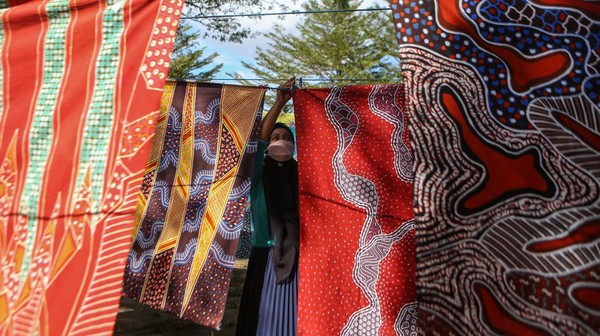
    • Support Local Artisans: Buying a mass-produced souvenir from a mall is easy, but buying a hand-woven Tenun cloth directly from a weaver in Flores keeps an ancient craft alive.
    • Preserve Traditions: By respecting local “Adat” (traditional laws), you help ensure these customs aren’t diluted or “Disney-fied” for the sake of tourism.


    Mastering the “Indonesian Way”: A Lesson in Local Etiquette

    To truly practice ethical cultural tourism, you need to understand the social fabric of the country. Indonesians are famously known as some of the friendliest people on earth, but their kindness is rooted in a specific set of social codes.

    Here is how you can show respect (and earn a genuine smile in return):

    1. The Power of “Senyum, Salam, Sapa”

    In Indonesia, there is a core philosophy known as 3S: Senyum (Smile), Salam (Greeting), and Sapa (Speaking/Acknowledging).

    • The Smile: It’s the universal icebreaker. Even if you don’t speak the language, a warm smile goes a long way.
    • The Greeting: A slight nod or a polite “Permisi” (excuse me) when passing people is highly valued.

    2. The “Nunduk” (The Polite Lean)

    If you walk past a group of elders or people sitting down, you might notice locals lowering their shoulders and slightly bending their bodies forward while extending one hand downward. This is called Nunduk. It’s a physical manifestation of humility and respect. Doing this as a foreigner is the ultimate “pro-traveler” move that shows you truly understand the culture.

    3. Dress for the Occasion

    Indonesia is home to the world’s largest Muslim population, alongside vibrant Hindu, Christian, and Buddhist communities.

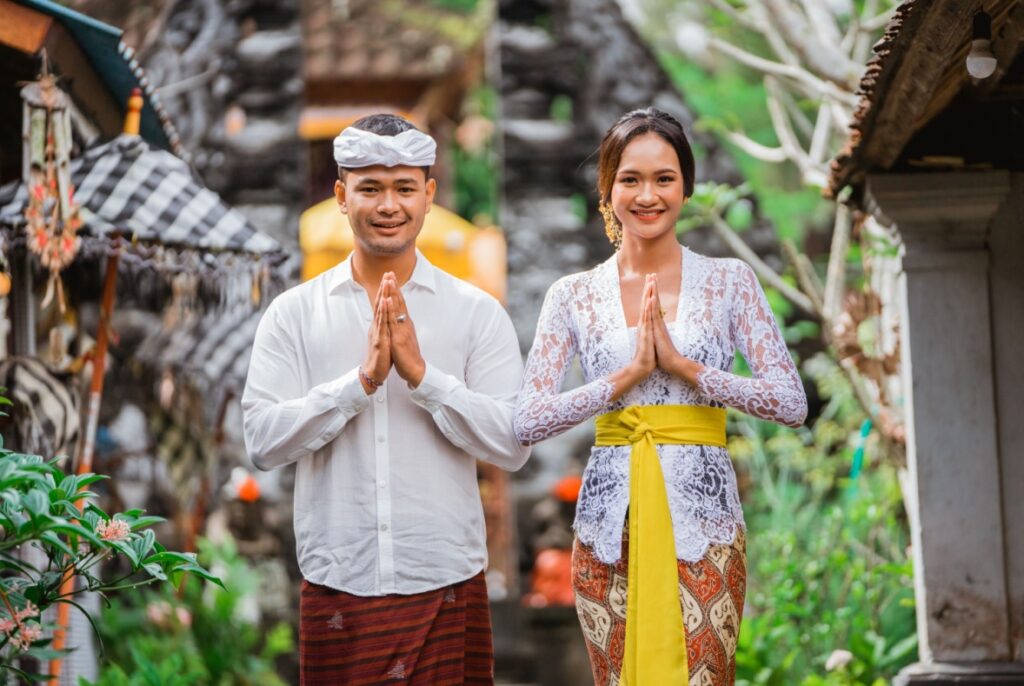
    • Temples and Mosques: Always cover your shoulders and knees. Many Balinese temples require a Sarong and sash.
    • In Public: While beachwear is fine for the shore, wearing a bikini in a village or a local market is considered disrespectful. Aim for “Modest Chic.”

    4. The Right Hand Rule

    Always use your right hand to give or receive items, and especially for eating. The left hand is traditionally associated with personal hygiene and is considered “unclean” for social interactions.


    Ethical Travel Spotlight: Regional Nuances

    RegionCultural FocusEthical Tip
    BaliHindu CeremoniesDo not stand higher than the priest or use flash photography during prayers.
    YogyakartaJavanese RoyaltySpeak in low tones and avoid pointing your feet at people or sacred objects.
    TorajaFuneral RitesThese are somber yet celebratory events; always ask permission before taking photos of the deceased’s family.
    LombokSasak VillagesAlways accept the offered coffee or tea (even a sip) to show appreciation for their hospitality.

    Beyond the “Selfie”: How to Be a Better Guest

    Ethical cultural tourism in Indonesia means moving beyond the “I was here” photo op.

    Ask Before You Click

    It’s easy to see a colorful ritual and immediately reach for your camera. Stop. Observe first. Ask a local guide or the person involved, “Boleh foto?” (May I take a photo?). It builds a bridge rather than a wall.

    The “Overtourism” Reality

    Places like the Ubud Monkey Forest or Borobudur are iconic, but they suffer from heavy foot traffic. Consider visiting “secondary” cultural sites. Instead of just Bali, explore the cultural richness of Sumba, the megalithic villages of Nias, or the spiritual quietude of Banda Neira.


    How to Support the Local Economy Ethically

    1. Eat Local: Skip the global fast-food chains. Visit a Warung (family-run eatery). Not only is the food better, but your money goes directly into a family’s pocket.
    2. Hire Local Guides: A guide from the community doesn’t just show you the sights; they tell you the stories and the “why” behind the traditions.
    3. Fair Bargaining: While haggling is part of the culture in markets, don’t squeeze the vendor over a few cents. That small change might mean a lot more to them than it does to your travel budget.

    The Environmental Connection

    You cannot separate culture from the land in Indonesia. Many indigenous groups, like the Baduy in Banten or the Dayak in Kalimantan, view nature as sacred.

    • Waste Management: Indonesia is currently battling a plastic crisis. Carry a reusable water bottle and avoid single-use plastics.
    • Animal Welfare: Avoid “cultural” shows that involve mistreated animals. Ethical tourism means respecting all living beings.

    7-Day Ethical Itinerary: The Cultural Heart of Bali

    Destinasi Bali Get on Explore
    Destinasi Bali Get on Explore

    While many see Bali as a party destination, its heart lies in its villages and spiritual practices. This 7-day itinerary focuses on Regenerative Tourism—leaving the island better than you found it.

    Day 1: Arrival & Mindful Grounding

    • Arrive in Sanur: Opt for this quieter coastal town over the high-traffic areas.
    • Evening: Attend a local beach cleaning initiative or a briefing on Balinese waste management issues.
    • Ethical Tip: Buy a reusable “Refill My Bottle” flask to avoid single-use plastics.

    Day 2: The Art of Offering (Canang Sari)

    • Location: Sidemen Valley.
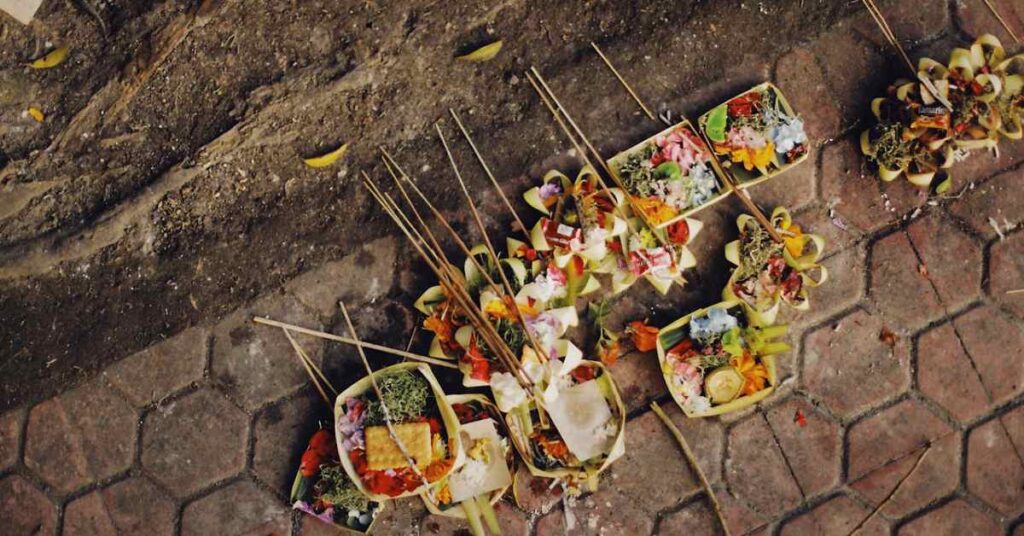
    • Activity: Join a local family to learn the meaning behind Canang Sari (daily offerings). Learn why they use organic materials like palm leaves and flowers.
    • Support: Pay a fair workshop fee that goes directly to the family.

    Day 3: Subak & Sustainable Farming

    • Location: Jatiluwih Rice Terraces.
    • Activity: Walk the fields with a local farmer. Learn about Subak, the ancient democratic water-sharing system.
    • Lunch: Eat at a Warung (family-run stall) that sources ingredients from the surrounding fields.

    Day 4: Ancient Crafts in East Bali

    • Location: Tenganan Pegringsingan (Ancient Aga Village).
    • Activity: Observe the creation of Geringsing—a rare double-ikat fabric.
    • Ethical Tip: Buy directly from the weaver. Ask about the natural dyes used (Indigo, Morinda) to understand the environmental connection.

    Day 5: Spiritual Literacy & Water Purification

    • Location: Tirta Empul or a lesser-known water temple.
    • Activity: Participate in Melukat (purification ritual) guided by a local priest who explains the philosophy of Tri Hita Karana (harmony between humans, nature, and the divine).
    • Rule: Follow all temple dress codes strictly.

    Day 6: Culinary Heritage

    • Location: Ubud Peripheral Villages.
    • Activity: Take a traditional cooking class using a wood-fired stove. Focus on “Slow Food” traditions.
    • Interaction: Discuss with the hosts how tourism has changed their village over the last decade.

    Day 7: Marine Conservation & Departure

    • Location: Pemuteran (North Bali).
    • Activity: Visit the Biorock reef restoration project. Learn how the community saved their coral reefs to sustain local fishing and tourism.
    • Final Reflection: Write in your journal about one local person who changed your perspective.

    How to Be a Better Guest: The “Pro-Traveler” Checklist

    ActionWhy it Matters
    Ask Before SnappingRespects the privacy of locals during sacred rituals.
    Hire Local GuidesEnsures the economic benefits of tourism stay in the community.
    Fair BargainingA few cents might not mean much to you, but it’s a meal for a vendor.
    Eat “Kaki Lima”Street food supports micro-entrepreneurs and offers the most authentic flavors.


    7-Day Ethical Itinerary: The Living Traditions of West & East Sumba

    This itinerary is designed to minimize environmental impact while maximizing the economic benefit to the local Sumbanese people.

    Day 1: Arrival & The “Guest Book” Ritual

    • Arrive in Tambolaka (West Sumba): Check into a locally-owned eco-lodge.
    • Activity: Visit a nearby village to sign the guest book and provide a small “cultural donation.”
    • Ethical Tip: Instead of giving candy to children (which causes dental issues in areas with low care), donate school supplies to the village elder.

    Day 2: The Architecture of Spirits

    • Location: Ratenggaro Village.
    • Activity: Marvel at the tallest traditional roofs in Sumba. Engage with a local guide to learn how these houses are built without a single nail.
    • Respect: Ask permission before photographing the megalithic tombs; they are the resting places of beloved ancestors.

    Day 3: The Blue Mirror of Weekuri

    • Location: Weekuri Lagoon.
    • Activity: Swim in the saltwater lagoon.
    • Ethical Tip: Avoid chemical sunscreens that harm the delicate limestone ecosystem. Use “reef-safe” alternatives. Buy fresh coconuts from the local vendors lining the entrance to support their livelihoods.

    Day 4: The Sacred Thread (Ikat Weaving)

    • Location: Lamboya or Wanokaka.
    • Activity: Spend the day with a weaving collective. Sumba Ikat can take months or even years to complete using natural dyes from roots and leaves.
    • Support: Purchase a piece of fabric. It is an investment in a dying art form.

    Day 5: Crossing to the East (Waingapu)

    • Travel: Drive across the rolling “Lendongara” hills.
    • Activity: Stop at local markets to buy “Kopi Sumba” (Sumba Coffee).
    • Interaction: Use your Salam and Sapa at the market. A simple “Berapa harganya, Pak/Bu?” (How much is this?) goes a long way.

    Day 6: The Savanna & The Sea

    • Location: Puru Kambera & Wairinding Hills.
    • Activity: Witness the wild horses of Sumba.
    • Ethical Tip: Keep a respectful distance from the horses. They are central to Sumba’s identity and are not “props” for selfies.

    Day 7: Tanggedu Waterfall & Reflection

    • Activity: A moderate trek to Tanggedu Waterfall.
    • Conservation: Ensure you carry all your trash back to the city. Sumba has limited waste processing infrastructure.
    • Departure: Head to Waingapu Airport for your flight out, carrying stories instead of just “content.”

    Why Sumba Requires an Ethical Guide

    Ethical ChallengeThe Solution
    Language BarrierMany elders only speak the local dialect. A guide translates the meaning, not just the words.
    Access to VillagesSome villages are “closed” to the public unless you are introduced by a trusted partner.
    Fair PayEnsuring your “entrance fees” actually reach the community and aren’t pocketed by middlemen.

    Mastering Javanese Etiquette (E-A-T Guide)

    The Javanese culture is famously subtle. To show Expertise and Trustworthiness as a traveler, you should embrace these specific local “hidden” codes:

    1. The “Andhap Asor” (Humility)

    In Yogyakarta, high social value is placed on humility.

    • The Gesture: When walking in front of people, especially elders or palace guards (Abdi Dalem), perform a slight Nunduk (bow) and extend your right hand downward. This signals that you do not see yourself as “above” them.
    • The Voice: Speak in low, calm tones. Raising your voice is seen as a loss of self-control and is highly disrespectful.

    2. Sacred Stones and Proper Attire

    The temples of Borobudur and Prambanan are not just monuments; they are active places of pilgrimage.

    • Dress Code: Always cover your shoulders and knees. While some temples provide a free Sarong, arriving in modest dress (long linen pants or maxi skirts) shows proactive respect.
    • Physical Respect: Never sit or climb on the stupas or temple walls. These stones have survived over a millennium; our oils and weight cause irreparable micro-damage.

    3. The Tenggerese “Salam”

    At Mount Bromo, you are in the land of the Tenggerese people, the last Hindu community in Java. They view Bromo as a sacred altar.

    • The Greeting: Use your right hand for everything—from paying your Jeep driver to receiving a cup of hot Wedang Ronde (ginger soup).


    7-Day Ethical Itinerary: The Royal & Volcanic Route

    This route connects the intellectual capital of Yogyakarta with the raw natural power of East Java, focusing on community-led experiences.

    Day 1: The Kraton & Water Castle

    • Location: Yogyakarta City.
    • Activity: Visit the Kraton (Sultan’s Palace). Observe the Abdi Dalem (loyal servants) who serve not for money, but for honor.
    • Ethical Tip: Hire one of the palace guides; they are usually retired teachers or locals with deep historical knowledge.

    Day 2: The Path of the Buddha (Borobudur)

    • Location: Magelang (1-hour drive).
    • Activity: Visit Borobudur at sunrise.
    • Ethical Change: Use the official “Upasaka” sandals provided by the park to protect the ancient stones from friction.
    • Community: Spend the afternoon in Candirejo Village for a horse-cart tour to see how locals harvest chili and vanilla.

    Day 3: The Hindu Epics (Prambanan)

    • Location: Prambanan Plain.
    • Activity: Explore the towering spires of Prambanan. In the evening, watch the Ramayana Ballet—a performance that employs hundreds of local dancers and musicians.
    • Ethical Tip: Choose the open-air theater to see the temple as the backdrop.

    Day 4: The Great Java Overland

    • Activity: Take the Executive Train from Yogyakarta to Jombang or Probolinggo.
    • Why: Taking the train is more eco-friendly than a private 10-hour car journey and offers a front-row seat to the stunning Javanese countryside.
    • Evening: Arrive in Cemoro Lawang, the village on the edge of the Bromo caldera.

    Day 5: The Sacred Caldera of Bromo

    • Activity: 3:00 AM Jeep journey to King Kong Hill for the sunrise.
    • Ethical Choice: Instead of taking a horse to the crater rim, hike across the Sea of Sand. It reduces animal labor and gives you a much deeper connection to the “Whispering Sands.”
    • Respect: If you see a local Tenggerese person making an offering at the Pura Luhur Poten temple, watch from a distance and keep your camera away.

    Day 6: The Madakaripura Hidden Falls

    • Location: Near Bromo.
    • Activity: Trek to Madakaripura Waterfall, where the legendary Majapahit general Gajah Mada is said to have meditated.
    • Support: Use local “Ojek” (motorbike taxi) drivers from the village; this is their primary source of income.

    Day 7: Batik Heritage & Departure

    • Location: Back to Surabaya or Malang.
    • Activity: Visit a Batik Tulis (hand-drawn batik) workshop.
    • Ethical Purchase: A genuine hand-drawn batik can take weeks to make. Paying a premium price ensures the survival of this UNESCO-recognized art form.

    The “Green & Gracious” Traveler’s Checklist

    ActionWhy it Matters in Java
    Use “Maturnuwun”This is “Thank you” in Javanese. Using local dialect shows you aren’t just a passerby.
    Avoid Public AffectionJava is conservative. Keep hugging and kissing for private spaces to avoid local discomfort.
    No “Selfie” ObstructionIn temples, don’t block the path of locals who are there to pray.
    Mind Your FeetWhen sitting on the floor (Lesehan), never point the soles of your feet at someone or at sacred objects.

    Ready to Experience the Real Indonesia?

    Navigating the complexities of a multi-cultural archipelago can be daunting. If you want to ensure your journey is not only memorable but also deeply respectful and impactful, you need a partner who knows the land.

    We highly recommend Get on Explore.

    As a premier travel organizer specializing in both local and international guests, Get on Explore is dedicated to the principles of ethical cultural tourism in Indonesia. They don’t just take you to the landmarks; they introduce you to the soul of the country. From curated village stays to respectful guided tours of sacred sites, they ensure that your visit supports the community and preserves the beauty of Indonesia for generations to come.

  • The Ultimate Guide to Cultural Immersion Tours in Southeast Asia: Beyond the Postcard

    The Ultimate Guide to Cultural Immersion Tours in Southeast Asia: Beyond the Postcard

    Get on explore – Southeast Asia isn’t just a collection of pins on a map; it’s a sensory explosion. It’s the smell of lemongrass wafting through a Bangkok alleyway, the haunting echo of a monk’s chant in Luang Prabang, and the rhythmic tap-tap of a copper canting in a Yogyakarta batik workshop.

    If you’re tired of “drive-by sightseeing” where you see more of a bus window than the actual culture, then Cultural Immersion Tours in Southeast Asia are your ticket to a life-changing experience. We’re moving from being a spectator to becoming a participant in the local rhythm of life.


    Why Cultural Immersion is the New Way to Travel

    In 2026, “luxury” has been redefined. It’s no longer just about gold-plated faucets; it’s about exclusive access. Access to a remote village in the Sapa highlands, access to a master weaver in Bali, or the privilege of sitting with a royal batik artisan in the heart of Java.

    Cultural immersion allows you to:

    1. Support Local Economies: Your money goes directly to artisans, homestay hosts, and local guides via organizations like the Togetherness Project.
    2. Break Stereotypes: It’s hard to have prejudices when you’re laughing over a shared meal.
    3. Find Authentic Connection: Moving beyond the “Instagram spot” to find the soul of a destination.

    Top Destinations for Deep Cultural Dives

    1. Yogyakarta (Indonesia): The Soul of Javanese Batik

    The Ultimate Guide to Cultural Immersion Tours in Southeast Asia Beyond the Postcard-batik yogyakarta
    The Ultimate Guide to Cultural Immersion Tours in Southeast Asia Beyond the Postcard-batik yogyakarta

    Yogyakarta, or “Jogja,” is the cultural heartbeat of Indonesia. To truly understand Java, you must understand Batik—an UNESCO-recognized intangible heritage that is much more than just fabric; it’s a philosophy.

    • The Insider Experience: Head to Kampung Batik Giriloyo. Unlike the commercial shops in the city center, here you can sit on a low stool (dingklik) alongside village women who have been hand-drawing patterns for generations. Learning to control the hot wax (malam) with a canting is a meditative process that rewards patience over speed.
    • The Royal Connection: Visit the Kraton Ngayogyakarta Hadiningrat to see how specific batik motifs were historically reserved only for royalty.
    • Insider Tip: Don’t just buy a shirt; ask about the meaning of the “Parang” or “Sido Mukti” patterns. Each line tells a story of luck, power, or wisdom.

    2. Batu, Malang (Indonesia): The Highland Heritage

    The Ultimate Guide to Cultural Immersion Tours in Southeast Asia Beyond the Postcard-Kesenian Bantengan Malang
    The Ultimate Guide to Cultural Immersion Tours in Southeast Asia Beyond the Postcard-Kesenian Bantengan Malang

    Often called the “Little Switzerland of Java,” Batu, Malang offers a unique blend of colonial history, agricultural mastery, and artistic soul. Unlike the tropical heat of the coast, Batu’s crisp air provides a different perspective on Indonesian life.

    • The Agrotourism Immersion: Batu is famous for its apples. A true immersion tour involves more than just picking fruit; it’s about staying in a Desa Wisata (Tourism Village) like Gubugklakah. Here, you can learn about traditional irrigation and the history of apple seeds brought during the Dutch era.
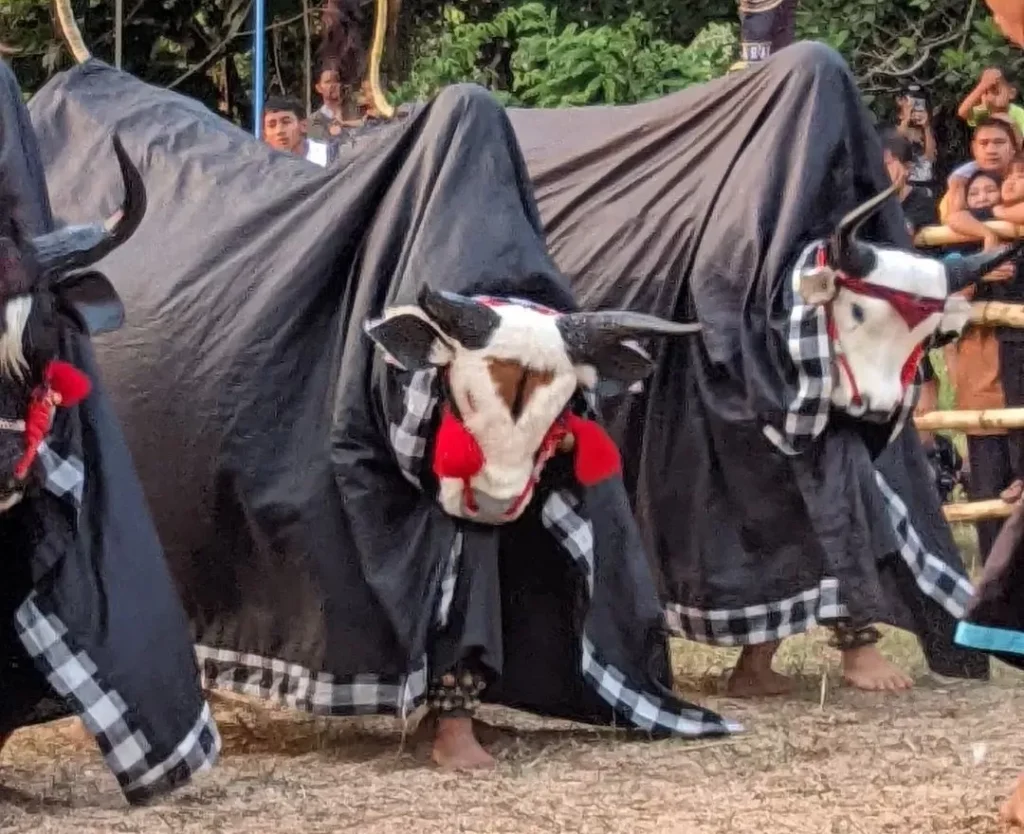
    • Artistic Soul: Visit the Kesenian Bantengan troupes. This traditional dance involves a trance-like performance representing the strength of the bull. Engaging with the performers behind the scenes offers a raw look at Javanese mysticism.

    3. Vietnam: The Art of the Hustle and the Harmony

    The Ultimate Guide to Cultural Immersion Tours in Southeast Asia Beyond the Postcard-Vietnam
    The Ultimate Guide to Cultural Immersion Tours in Southeast Asia Beyond the Postcard-Vietnam

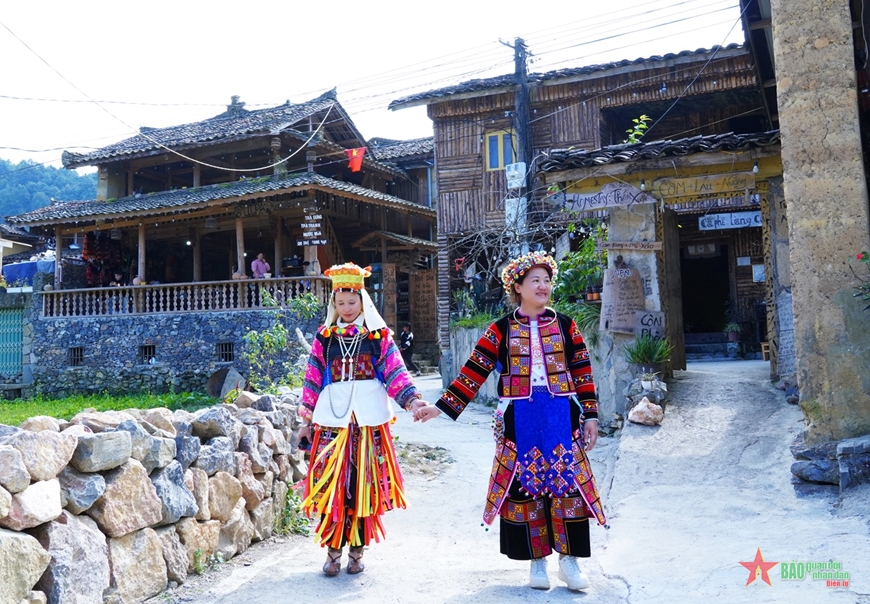
    Vietnam is a country of contrasts. To truly immerse yourself, head north. Skip the standard hotel and opt for a homestay in Ha Giang.

    • The Insider Experience: Wake up at 5:00 AM to help your host family prepare Mèn mén (steamed corn flour) or visit the ethnic markets where the Hmong and Dao people trade vibrant textiles.
    • Pro Tip: Learn the phrase “Chúc sức khỏe!” (To your health!)—you’ll need it for the inevitable rice wine toasts.

    4. Cambodia: The Resilience of the Khmer Spirit

    The Ultimate Guide to Cultural Immersion Tours in Southeast Asia Beyond the Postcard- Cambodia The Resilience of the Khmer Spirit
    The Ultimate Guide to Cultural Immersion Tours in Southeast Asia Beyond the Postcard- Cambodia The Resilience of the Khmer Spirit

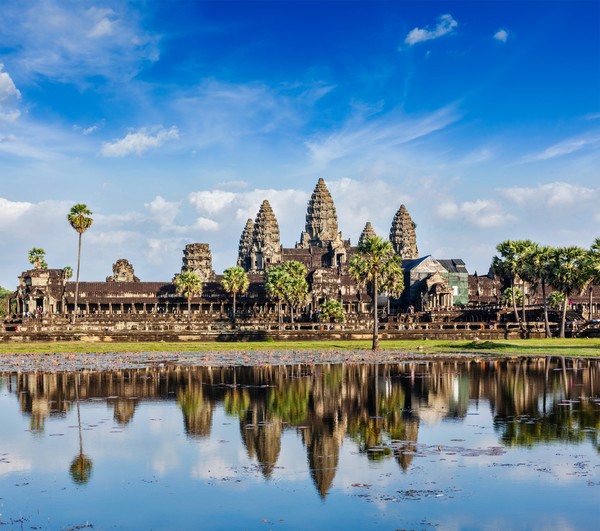
    While Angkor Wat is a must, the real culture lies in the floating villages of Tonle Sap.

    • The Insider Experience: Join a workshop at Prek Toal and learn how to weave dried water hyacinths into beautiful, functional baskets.

    The “Insider’s” Survival Kit: E-A-T Tips for Southeast Asia

    As seasoned travelers, we know that the smallest details make the biggest difference. Here is your “Expert” guide to navigating the region like a pro:

    • Cash is King (Small Denominations!): While cities are becoming tech-savvy, those rural markets in Batu or Giriloyo only take cash. Always keep small bills (10,000 IDR or 20,000 VND) tucked away. It’s awkward trying to buy a 50-cent snack with a $50 bill.
    • The “Temple/Mosque Kit”: Always carry a lightweight sarong. Many sacred sites in Indonesia and Thailand require shoulders and knees to be covered. Buying one from a local batik artisan in Jogja is the perfect way to start your immersion.
    • The Right Hand Rule: In many Southeast Asian cultures, the left hand is considered “unclean.” Always use your right hand to give or receive items, and especially when eating—a common practice in traditional Javanese tumpengan feasts.
    • Weathering the Highlands: If you’re heading to Batu or Sapa, don’t just pack for the tropics. The temperature can drop to 15°C (59°F) at night. A light jacket is a life-saver.
    • Download “Grab”: For fair pricing and ease of movement in cities like Yogyakarta, Malang, or Bangkok, use the Grab App.

    Planning Your 2026 Cultural Adventure

    When looking for Cultural Immersion Tours in Southeast Asia, look for operators that emphasize Community-Based Tourism (CBT). Avoid “human zoos” or tours that feel exploitative. A good tour should feel like a bridge, not a barrier.

    Key Questions to Ask Your Tour Provider:

    • How much of the tour fee stays within the local village?
    • Do we have a local guide who actually lives in this community?
    • Is there a hands-on activity that allows for genuine interaction?

    Why Choose “Get on Explore”?

    Planning a trip that is both authentic and seamless is a tough balancing act. You want the grit of the local market but the comfort of a clean bed and reliable transport at night. That’s where Get on Explore comes in.

    Get on Explore is a premier travel organizer dedicated to serving both international and local guests who crave more than just a selfie. They understand that the heart of Southeast Asia isn’t found on a crowded tour bus, but in the quiet moments of connection.

    Why Get on Explore is your best partner for Southeast Asia:

    • Local Wisdom, Global Standards: They bridge the gap between “local grit” and “international comfort.” You get the authentic experience without the logistical headaches.
    • Curated Destinations: From the mist-covered apple orchards of Batu to the hidden batik workshops of Yogyakarta, they have the “insider” keys to the best spots.
    • Sustainability Mindset: They prioritize partners who respect the environment and the local culture, ensuring your visit leaves a positive footprint.
    • Bespoke Service: No two travelers are the same. Whether you are a solo traveler, a digital nomad, or a family, they tailor the immersion level to your comfort zone.

    Ready to stop being a tourist and start being a guest?

    Contact Get on Explore today and start crafting your bespoke Southeast Asian story. From the heritage lanes of Jogja to the vibrant orchards of Batu, your seat at the local table is waiting.

  • Best Cultural Villages in Indonesia 2026: Your Ultimate Guide to Authentic Immersion

    Best Cultural Villages in Indonesia 2026: Your Ultimate Guide to Authentic Immersion

    Get on explore -Forget the crowded beach clubs and the cookie-cutter resorts. For 2026, the real magic of travel lies in cultural immersion—the kind that makes you put down your phone and just… breathe. Indonesia is shifting its focus toward “Experience, Not Luxury,” and there is no better way to find it than in its ancient, living villages.

    From the misty mountains of Flores to the artistic highlands of Batu, Malang, here are the best cultural villages in Indonesia to visit this year.


    1. Kertorejo & Klungkung: The Cultural Soul of Batu, Malang

    Best Cultural Villages in Indonesia 2026  Your Ultimate Guide to Authentic Immersion Kertorejo  Klungkung Batu Malang
    Best Cultural Villages in Indonesia 2026 Your Ultimate Guide to Authentic Immersion Kertorejo Klungkung Batu Malang

    While many know Batu for its theme parks and cool mountain air, 2026 marks its rise as a premier “Agro-Cultural” destination. Beyond the apples, the villages around Batu offer a deep dive into Javanese mysticism and agricultural heritage.

    • The Experience: Head to Kertorejo Village. Here, the Bantengan dance—a powerful, trance-like performance involving bull masks—is not just a show for tourists; it’s a community soul. You can also visit local flower villages where every house is a garden, or join a “Milk Journey” in the dairy farm areas.
    • 2026 Update: Batu is now integrating Wellness Tourism. You’ll find many retreats combining traditional Javanese Jamu (herbal medicine) workshops with mountain trekking.
    • Insider Tip: Visit the local ‘Warung’ during sunset. In Batu, the community gathers at small stalls. Order a STMJ (Susu Telur Madu Jahe) — a local concoction of milk, egg, honey, and ginger. It’s the “insider” way to stay warm and chat with the friendly locals.

    2. Wae Rebo, Flores: The Village Above the Clouds

    Best Cultural Villages in Indonesia 2026 Your Ultimate Guide to Authentic ImmersionWae Rebo Flores The Village Above the Clouds
    Best Cultural Villages in Indonesia 2026 Your Ultimate Guide to Authentic ImmersionWae Rebo Flores The Village Above the Clouds

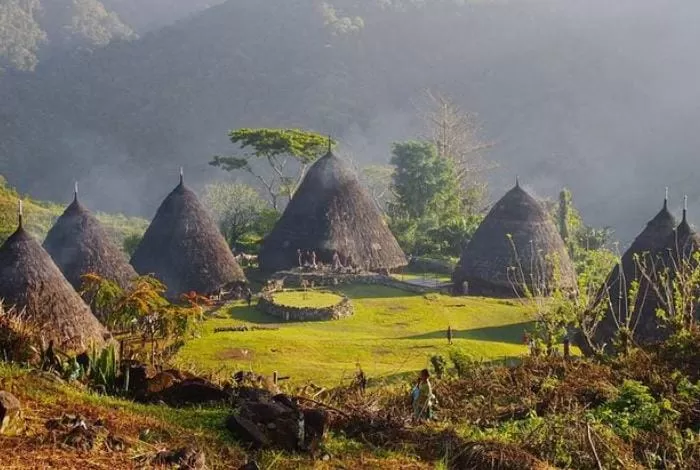
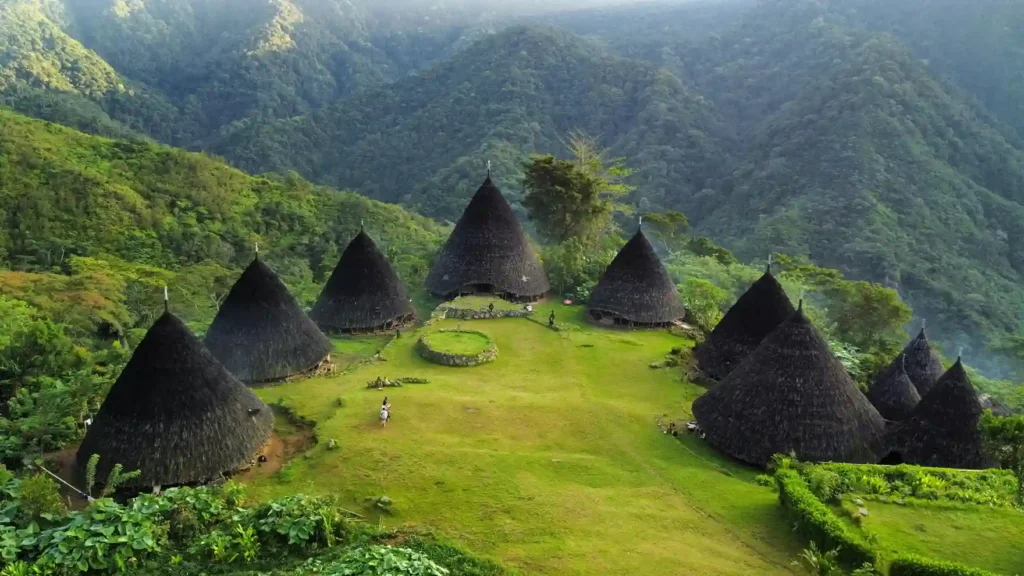
    If there is one place that defines “adventure” in 2026, it’s Wae Rebo. Tucked away at 1,200 meters above sea level in the Manggarai highlands, this village is famous for its seven iconic cone-shaped houses called Mbaru Niang.

    • The Experience: You’ll start with a 3-hour trek through a lush rainforest. Upon arrival, you’ll be welcomed with the Waelu’u ceremony, a traditional ritual to ask the ancestors for your safety.
    • Cultural Connection: Living in a communal Mbaru Niang means sharing stories with travelers from around the world and local families, huddled around a central hearth.
    • Insider Tip: Pack a lightweight down jacket. Even though Indonesia is tropical, Wae Rebo at 3 AM is freezing. Also, bring a headlamp; the village electricity usually shuts off at 10 PM.

    3. Penglipuran, Bali: The World’s Cleanest Village

    Best Cultural Villages in Indonesia 2026 Your Ultimate Guide to Authentic Immersion Penglipuran, Bali The World’s Cleanest Village
    Best Cultural Villages in Indonesia 2026 Your Ultimate Guide to Authentic Immersion Penglipuran, Bali The World’s Cleanest Village

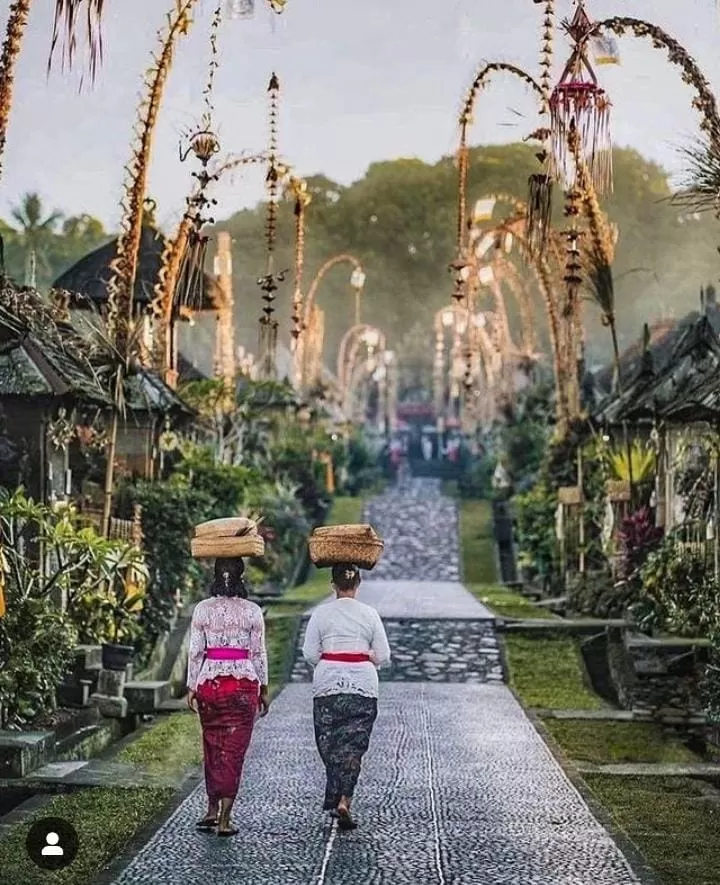
    While much of Bali is bustling, Penglipuran Village in Bangli remains a sanctuary of order and tradition. In 2026, the village is officially moving toward becoming a Global Regenerative Tourism Village.

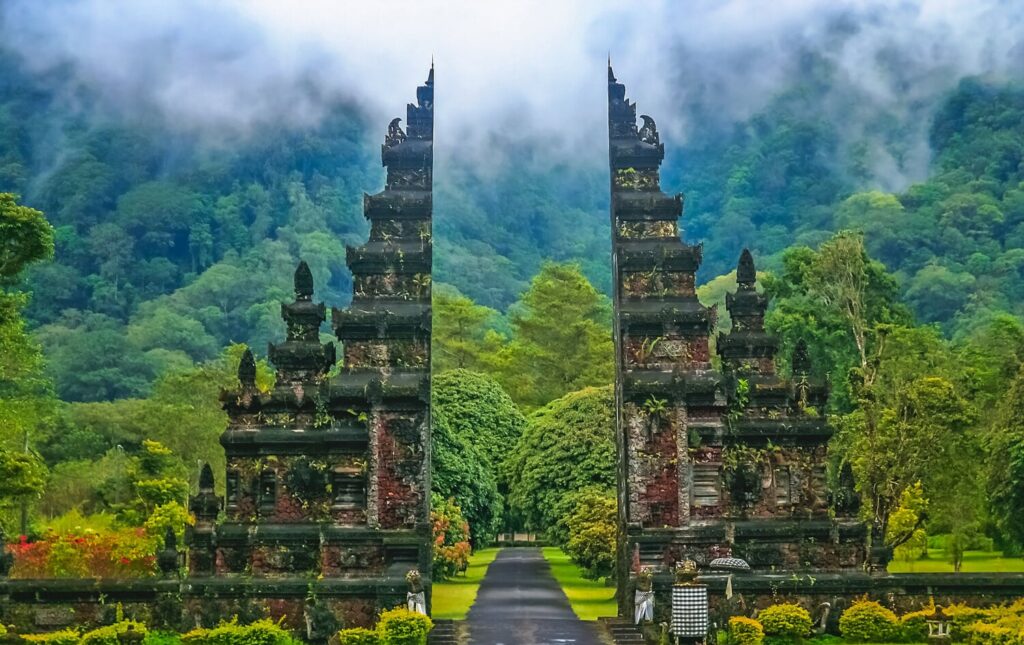
    • The Experience: Walk through perfectly symmetrical streets lined with traditional Balinese gates. The lack of motorized vehicles inside the village creates a silence that is rare in Bali.
    • The Architecture: Notice the bamboo shingles on every roof. This is a specific tradition of Penglipuran, sourced from the massive bamboo forest that surrounds and protects the village.
    • Insider Tip: Look for the ‘Loloh Cemcem’ sellers. This refreshing green herbal drink is the village’s signature. Always carry small bills (IDR 2,000 – 10,000) because these local micro-entrepreneurs rarely have change for large 100k notes.

    4. Sade Village, Lombok: The Soul of the Sasak

    Best Cultural Villages in Indonesia 2026 Your Ultimate Guide to Authentic Immersion Sade Village, Lombok The Soul of the Sasak
    Best Cultural Villages in Indonesia 2026 Your Ultimate Guide to Authentic Immersion Sade Village, Lombok The Soul of the Sasak

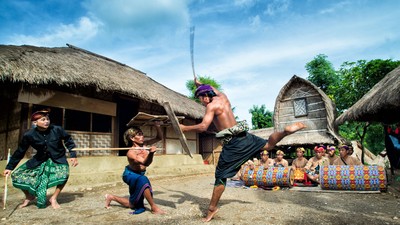
    Located just a stone’s throw from the Mandalika International Circuit, Sade Village is a living museum of the Sasak people that has resisted modernization for centuries.

    • The Experience: Watch women masterfully create Tenun Ikat (woven fabric) on ancient looms. The houses, called Bale Tani, are made of bamboo and topped with thatched roofs.
    • The Ritual: If you’re lucky, you’ll witness the Presean—a martial art where two men fight with rattan sticks and hide shields. It’s intense, rhythmic, and incredibly cinematic.
    • Insider Tip: Don’t be alarmed by the floor! Locals polish the clay floors with buffalo dung. It sounds strange, but it keeps the house cool and keeps insects away. Once dry, it has no smell at all!

    5. Wukirsari, Yogyakarta: The Heart of Batik

     Best Cultural Villages in Indonesia 2026 Your Ultimate Guide to Authentic Immersion Wukirsari, Yogyakarta The Heart of Batik
    Best Cultural Villages in Indonesia 2026 Your Ultimate Guide to Authentic Immersion Wukirsari, Yogyakarta The Heart of Batik

    For those who love art, Wukirsari Village in Bantul is where the world’s finest hand-drawn Batik is born. In 2026, the village has expanded its workshops to allow visitors to stay in local “Batik Homestays.”

    • The Experience: This isn’t just a shop; it’s a school. You can sit down with local artisans (the Ibu-Ibu) and learn the “meditative” art of applying wax with a canting.
    • Insider Tip: Ask for the “Natural Dye” tour. Many younger craftsmen are reviving ancient techniques using roots and leaves instead of chemical dyes. These pieces are more expensive but are true sustainable masterpieces that last a lifetime.

    Why Cultural Travel is Different in 2026

    Travelers are moving away from “Check-list Tourism” (visiting a place just for a photo). In 2026, the trend is Slow Travel. This means:

    1. Staying Longer: Spending at least two nights in a village to understand the rhythm of life.
    2. Learning a Skill: Whether it’s weaving in Lombok, cooking in Batu, or carving in Bali.
    3. Giving Back: Supporting local economies directly by buying crafts without aggressive haggling.

    Practical “Insider” Tips for the Indonesian Hinterlands

    CategoryExpert Advice
    ConnectivityBuy a local SIM card (Telkomsel usually has the best remote coverage), but expect “Dead Zones” in villages like Wae Rebo.
    EtiquetteAlways use your right hand when giving or receiving items. The left hand is considered impolite in Indonesian culture.
    HealthStick to bottled or filtered water. In villages, “Air Masak” (boiled water) is usually safe, but when in doubt, ask.
    GiftsIf you want to bring something for village children, avoid candy (it causes tooth decay and they have limited dental care). Bring pencils, notebooks, or soccer balls.

    Visual Inspiration: What to Expect

    (Imagine a cinematic drone shot here: The mist rolling over the Mbaru Niang houses in Wae Rebo, followed by a close-up of a woman’s weathered hands intricately weaving a golden thread in Lombok.)

    Visuals are the heartbeat of your journey. Ensure your camera has plenty of storage, but remember to look up from the lens. Some of the best moments—like a shared laugh with a village elder—cannot be captured on a memory card.


    Ready to Explore the Real Indonesia?

    Navigating remote villages, understanding local taboos, and coordinating transport in the highlands of Batu or the mountains of Flores can be daunting. If you want a seamless, authentic journey that respects local communities while providing top-tier service, we recommend Get on Explore.

    Get on Explore is a premier travel organizer ready to serve both international and local guests. They don’t just “book transport”; they curate experiences. From private tours in the apple orchards of Batu, Malang to trekking expeditions in Wae Rebo, they ensure your 2026 trip is meaningful, safe, and deeply cultural.

    Visit Get on Explore today to start your journey!

    Which cultural village are you hitting first in 2026? Let’s get your itinerary started!

  • 15 Authentic Indonesia Travel Experiences: Beyond the Typical Tourist Trail

    15 Authentic Indonesia Travel Experiences: Beyond the Typical Tourist Trail

    Get on Explore – So, you’re planning a trip to Indonesia in 2026? Great choice. But let’s be honest: while Bali’s beach clubs and Instagrammable swings are fun, they barely scratch the surface of what this massive archipelago of 17,000 islands has to offer.

    The modern traveler isn’t just looking for a photo op; they’re looking for a connection. They want 15 authentic Indonesia travel experiences that feel real, raw, and transformative. Whether it’s sharing a meal with a Chieftain in the highlands of Papua or watching the sunrise over the Martian landscape of Mount Bromo, Indonesia delivers.

    Here is your ultimate guide to experiencing the “Real Indonesia.”


    1. The Celestial Sunrise at Mount Bromo & The Sea of Sand

    Open Trip Tumpak Sewu Malang Bromo Get on Explore
    Open Trip Tumpak Sewu Malang Bromo Get on Explore

    No list of authentic experiences is complete without the Tengger Massif in East Java. Mount Bromo isn’t the highest peak, but it is certainly the most iconic.

    • The Experience: Most tourists take a Jeep to Penanjakan Point for the sunrise. But for a truly authentic feel, hike the “Secret Selfie” ridge (King Kong Hill) or walk across the Lautan Pasir (Sea of Sand) on foot rather than by horse.
    • The Cultural Core: Bromo is sacred to the Hindu Tenggerese people. If you visit during the Yadnya Kasada festival, you’ll see locals throwing offerings (fruit, livestock, money) into the crater to appease the gods.
    • Insider Tip: Skip the “standard” breakfast provided by tour agencies. Instead, find a small Warung (local shack) in Cemoro Lawang village and order Bakso (meatball soup) or Indomie with a view of the volcano. It’s cheap, warm, and supports the local villagers directly.

    2. Exploring the “Little Switzerland” of East Java (Batu)

    Authentic Indonesia Travel Experiences Batu
    Authentic Indonesia Travel Experiences

    Just a short drive from Bromo lies Batu, a highland retreat surrounded by apple orchards and waterfalls like Coban Rondo.

    • The Vibe: This is where local Indonesians go for their holidays. It’s cool, crisp, and famous for its “Petik Apel” (Pick-your-own-apple) farms.
    • Insider Tip: If you have an extra day, visit the Museum Angkut. It sounds like a typical museum, but it’s actually a world-class collection of vintage transportation set in elaborate movie-set-style zones.

    3. The “Blue Fire” Trek of Ijen Crater

    Authentic Indonesia Travel Experiences-blue fire ijen
    Authentic Indonesia Travel Experiences-blue fire ijen

    East of Bromo lies Ijen. This is for the hardcore adventurer. It offers a sight found only in two places on Earth: Electric Blue Flames caused by ignited sulfuric gas.

    • The Reality: It’s a midnight hike. You’ll wear a gas mask and descend into the crater. You’ll also meet the sulfur miners—men who carry 80kg of rock on their shoulders.
    • Insider Tip: Don’t just take photos of the miners. Buy a small sulfur carving from them. It’s a direct way to support their livelihood.

    4. Living the High Life in Wae Rebo, Flores

    Authentic Indonesia Travel Experiences-waerebo
    Authentic Indonesia Travel Experiences-waerebo

    Tucked away in the mountains of Manggarai, Wae Rebo is a UNESCO-awarded village famous for its conical Mbaru Niang houses. To get here, you’ll need to hike through the rainforest for about 3 hours.

    • The Authentic Touch: You’ll stay in a communal house, sleeping on woven mats. The welcome ceremony (Waelu) involves the village elder seeking permission from the ancestors for your stay.
    • Insider Tip: Bring some betel nut or high-quality tobacco as a small gift for the elders. It’s a traditional sign of respect that goes a long way.

    5. Dawn at Borobudur (The Local Way)

    Authentic Indonesia Travel Experiences-borobudur
    Authentic Indonesia Travel Experiences-borobudur

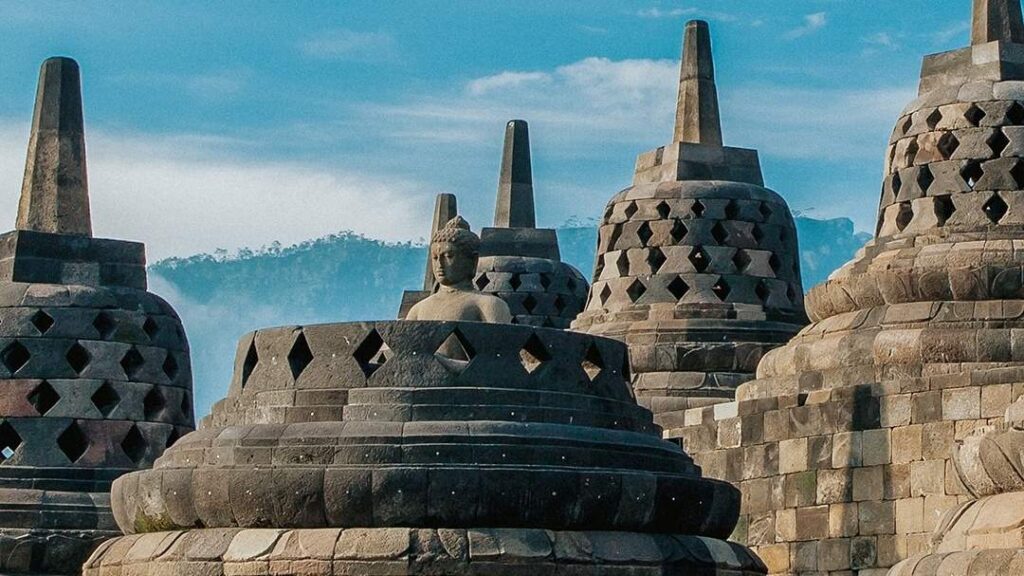
    Borobudur is the world’s largest Buddhist temple. While most people just snap a selfie, the real experience is understanding the “silent path.”

    • The Experience: Instead of rushing, hire a local guide who can explain the relief panels—they tell the story of human enlightenment.
    • Insider Tip: Stay in a homestay in the nearby village of Magelang. Rent a bicycle at 5:00 AM and ride through the rice fields to see the temple silhouette from Dagi Hill.

    6. Slow Boat Through Tanjung Puting

    Authentic Indonesia Travel Experiences-tanjungputing
    Authentic Indonesia Travel Experiences-tanjungputing

    Floating down the Sekonyer River in a Klotok (traditional wooden boat) is the best way to see Orangutans in the wild in Borneo.

    • The Vibe: You eat, sleep, and shower on the boat while drifting through the heart of the jungle. At night, the trees are lit up by thousands of fireflies.
    • Insider Tip: Use biodegradable soap and shampoo. You are in a fragile ecosystem; what you wash with goes directly into the river.

    7. Master the Art of Batik in Yogyakarta

    Authentic Indonesia Travel Experiences-Batik Yogyakarta
    Authentic Indonesia Travel Experiences-Batik Yogyakarta

    Yogyakarta (Jogja) is the soul of Javanese culture. Batik isn’t just a fabric; it’s a philosophy.

    • The Activity: Skip the shops and join a 3-day workshop at a local studio. You’ll learn to use a canting (wax pen) and natural dyes.
    • Insider Tip: Look for “Batik Tulis” (hand-drawn) rather than “Batik Cap” (stamped). The “tulis” version is where the true craftsmanship lies.

    8. Savoring the “Pajalele” in Tanah Toraja

    Authentic Indonesia Travel Experiences -pajalele tanatoraja
    Authentic Indonesia Travel Experiences -pajalele tanatoraja

    In the highlands of Sulawesi, the Torajan people have a culture centered around the afterlife. Their funeral ceremonies are elaborate, multi-day festivals.

    • The Experience: Being invited to a funeral is common and considered an honor for tourists. It’s a profound look at how another culture views death and celebration.
    • Insider Tip: You must bring a gift. A carton of cigarettes or a bag of sugar is the standard “guest tax” to show your appreciation to the host family.

    9. Surfing the “Secret” Breaks of Sumba

    Authentic Indonesia Travel Experiences-Sumba
    Authentic Indonesia Travel Experiences-Sumba

    Bali is crowded. Sumba is the frontier. With its wild horses and megalithic tombs, Sumba offers world-class surfing without the 50-person lineup.

    • Insider Tip: Sumba is culturally conservative. When you aren’t on the beach, keep your shoulders and knees covered to respect the local Marapu tradition.

    10. Coffee Cupping in the Gayo Highlands

    Authentic Indonesia Travel Experiences-Gayocoffee
    Authentic Indonesia Travel Experiences-Gayocoffee

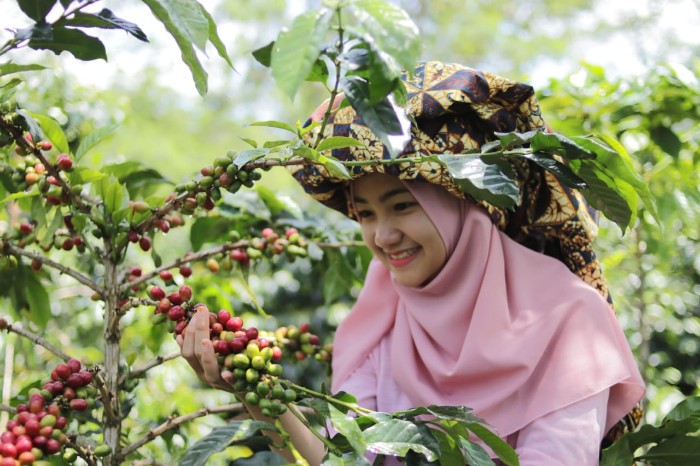
    Sumatran coffee is world-famous. In Takengon, Aceh, you can walk through the plantations and see the “wet-hull” process.

    • The Experience: Drink coffee at a “Warung” (roadside stall). The coffee is served in a glass, usually with a lot of sugar and a side of fried bananas (Pisang Goreng).

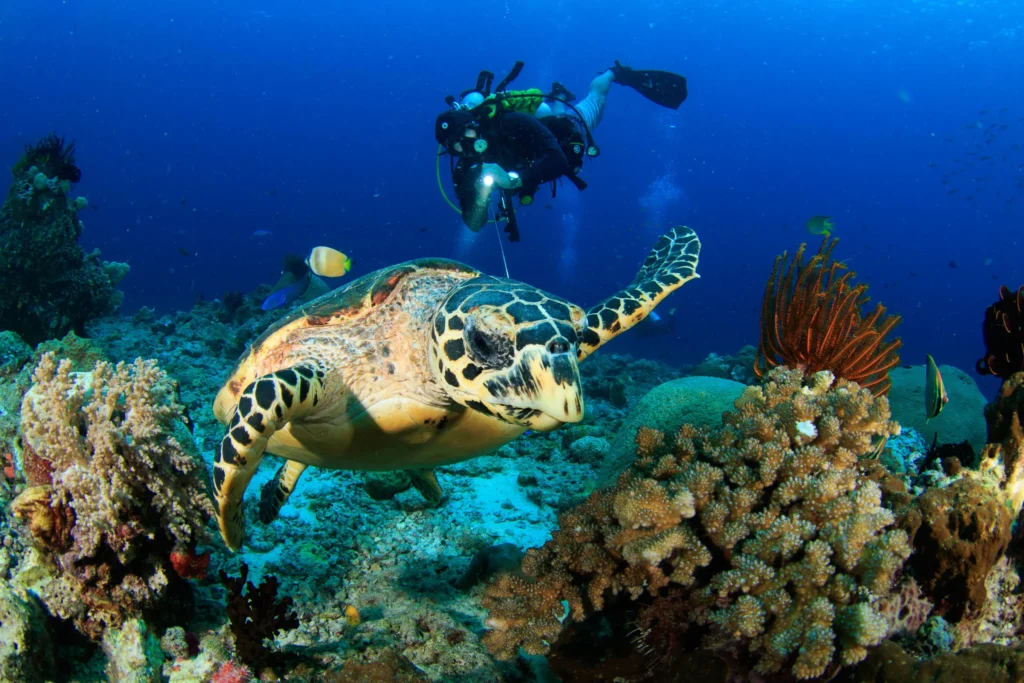
    11. Diving the “Amazon of the Seas” in Raja Ampat

    Authentic Indonesia Travel Experiences-diving raja ampat
    Authentic Indonesia Travel Experiences-diving raja ampat

    Raja Ampat has the highest marine biodiversity on the planet. This is the gold standard for 15 authentic Indonesia travel experiences.

    • Authentic Stay: Choose a Papuan-owned homestay over a luxury liveaboard. You’ll eat fresh-caught fish and help the local economy directly.
    • Insider Tip: Bring your own rechargeable torch and extra batteries. Electricity in homestays is usually only available from 6 PM to 10 PM.

    12. Cooking Class in a Balinese Compound

    Authentic Indonesia Travel Experiences-balinesecooking
    Authentic Indonesia Travel Experiences-balinesecooking

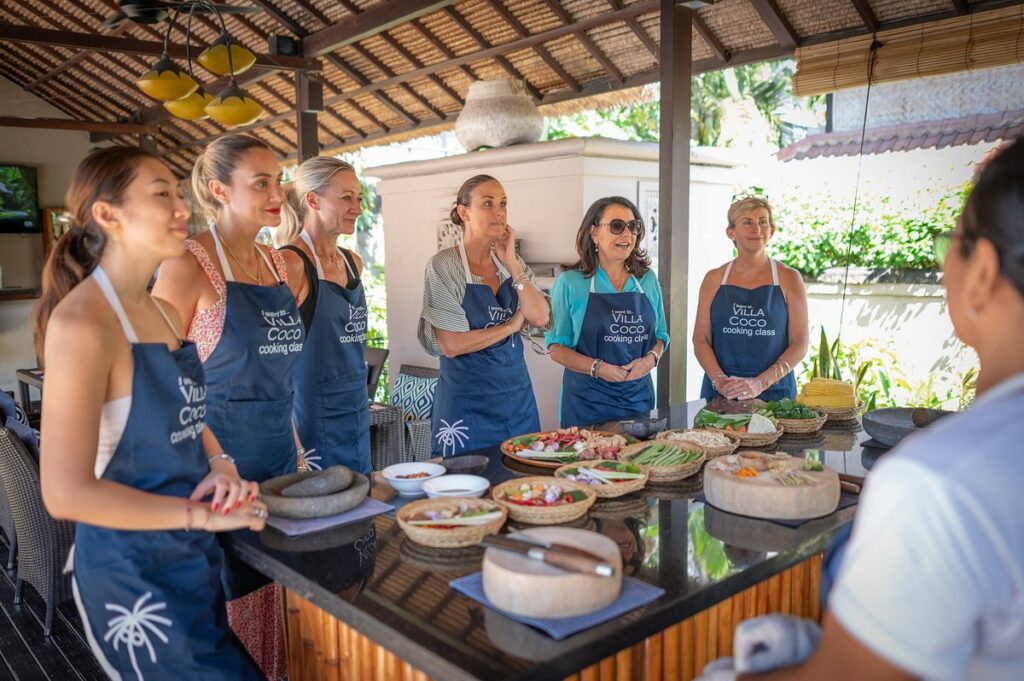
    Forget the restaurant classes. Go to a family home in Sidemen or Munduk.

    • The Ritual: You’ll start at the local market at 6 AM. You’ll learn that Balinese food is about Base Gede—a complex spice paste made with a mortar and pestle.
    • Insider Tip: “Pedas” means spicy. If you aren’t a fan of chili, tell them “Tidak pedas” (No spicy). Indonesian “medium” is usually “very hot” for Westerners!

    13. The Spirit of the Megaliths in Bada Valley

    Authentic Indonesia Travel Experiences megalitikum sulawesi tengah
    Authentic Indonesia Travel Experiences megalitikum sulawesi tengah

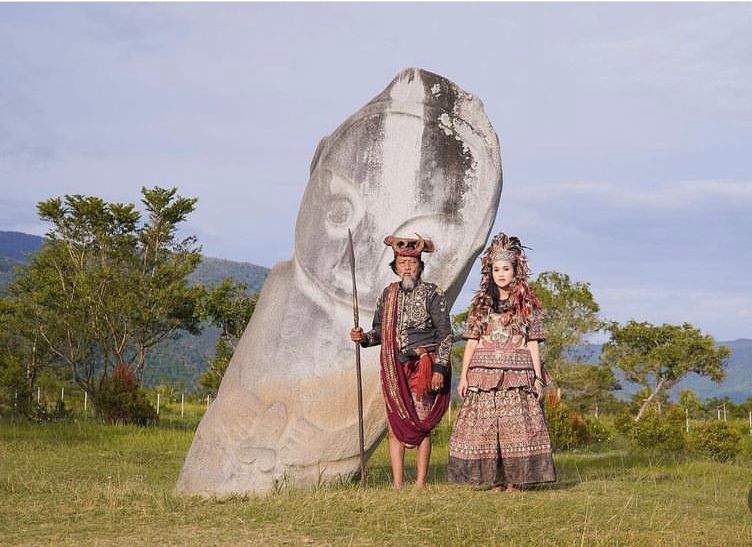
    Deep in Central Sulawesi’s Lore Lindu National Park lie ancient stone statues that look like they belong on Easter Island.

    • The Adventure: This requires a 4WD and a lot of patience. It’s one of the least visited sites in Indonesia.

    14. Island Hopping in the Banda Islands

    Authentic Indonesia Travel Experiences-banda islands
    Authentic Indonesia Travel Experiences-banda islands

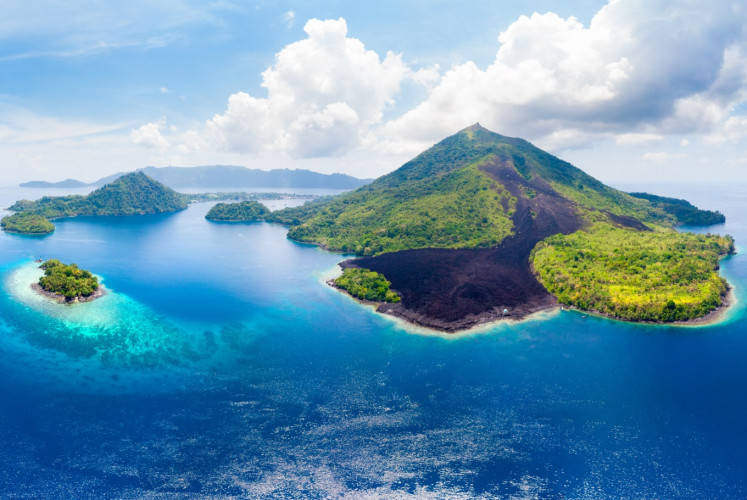
    Once the only source of nutmeg in the world, these islands are soaked in colonial history and surrounded by crystal-clear water.

    • The Vibe: It feels like time stopped in 1920. Walk through the old Dutch forts and then jump into the water to see coral growing over lava flows.

    15. Sunday Market at Bukittinggi

    Authentic Indonesia Travel Experiences-Sunday Market at Bukittinggi
    Authentic Indonesia Travel Experiences-Sunday Market at Bukittinggi

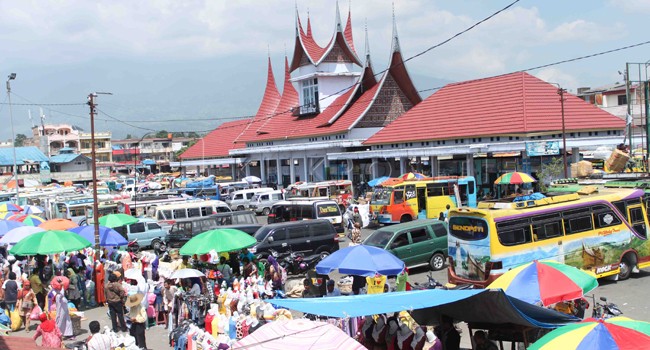
    Sumatra’s Minangkabau culture is matrilineal. Their architecture, with roofs like buffalo horns, is stunning.

    • The Experience: Get lost in the Pasar Atas market. Try the Nasi Kapau—it’s like Nasi Padang but even more authentic.

    Practical Tips for Your 2026 Journey

    • Money: While Bali and Jakarta are going cashless, for the “authentic” spots mentioned above, Cash is King. Always have a stash of 10,000 and 20,000 IDR notes for markets and tips.
    • Connectivity: Buy a local Telkomsel SIM card at the airport. It has the best coverage in remote areas like Bromo, Flores, or Papua.
    • Etiquette: Use your right hand to give or receive things. The left hand is traditionally considered “unclean.”
    • Transport: Download Grab or Gojek. They are the “Uber” of Southeast Asia and will save you from getting overcharged by unmetered taxis.

    Ready to Explore?

    Indonesia is more than a destination; it’s a feeling. From the volcanic dust of Bromo to the underwater paradise of Raja Ampat, by choosing these 15 authentic Indonesia travel experiences, you aren’t just a visitor—kamu adalah tamu (you are a guest).